Disclaimer: Not affiliated with or endorsed by Kia Motor Company. For informational purposes only. Full Disclaimer
Kia Forte ABS Light is On? What it Means and How to Reset
Updated:
The purpose of your Kia Forte's ABS (Anti-lock Braking System) light is to alert you to situations that need your attention when it illuminates on the dashboard, which is meant to make driving safe and comfortable.
An essential part of your car's safety system, the ABS works to keep your wheels from locking up when you brake, especially in slick circumstances.
When the ABS light appears, it's a good idea to investigate any possible problems and take the necessary action to ensure that the braking system of your car is operating at peak efficiency.
Understanding the Meaning of the ABS Light

Knowing what the ABS light means is the first step toward fixing it. Usually, the ABS light signals a problem or failure with the ABS.
This could be anything from a simple sensor problem to a more complicated ABS module issue. You must pay attention to the ABS light because a faulty system might make it more difficult for your car to brake safely, especially in slick or uneven conditions.
Diagnostic Scanning for Troubleshooting

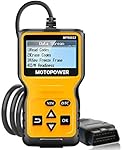
A diagnostic scan is required to identify the precise problem that is causing the ABS light to illuminate. The majority of contemporary vehicles, such as the Kia Forte, come equipped with an OBD-II (On-Board Diagnostics) system that facilitates the identification and interpretation of fault codes associated with the ABS.
Numerous auto repair facilities and parts stores offer complimentary diagnostic scans that let you identify the precise problem code that's causing the ABS light to come on.
With this knowledge in hand, you'll be better able to assess the problem's nature and determine whether professional assistance is necessary or if it can be handled independently.
Common Causes of ABS Light Activation

Damaged wiring, problems within the ABS module, and malfunctioning sensors are common causes of the ABS light activating. The ABS is not complete without sensors, which measure wheel speed and communicate with the ABS module to adjust brake pressure.
The ABS light may turn on if this process is interfered with by a defective sensor. A broken or corroded connection is one example of a wiring problem that can prevent data from passing between the sensor and the ABS module.
Shop From Amazon


A visual evaluation of the ABS sensor and its wiring can be an excellent place to start if you feel comfortable working on your car. Keep an eye out for any obvious damage, loose connections, or rust.
Remember that the ABS sensors are situated close to the wheels and that elements such as water and debris from the road can deteriorate them.
Resetting the ABS Light

It's important to realize that turning off the light alone does not solve the fundamental problem when it comes to resetting the ABS light. Although it is possible to reset the light by briefly disconnecting the car's battery, this is more of a stopgap fix.
If the underlying reason for the ABS issue is not resolved, the light is likely going to come back on. After you've repaired the issue, it can be useful to reset the ABS light as a way to ensure that it has been fixed.
It is best to consult a skilled mechanic for more complicated concerns. They possess the equipment and expertise to carry out a thorough diagnostic, pinpoint the precise issue with the ABS, and recommend the best course of action.
Remember that your car's overall safety depends on the proper operation of the ABS, which is a crucial safety component.
In conclusion, your Kia Forte's ABS light is a warning that should not be disregarded. You can take action to resolve the problem by understanding the possible reasons, performing a visual investigation, and using diagnostic tools to obtain error codes.
A safer and more secure driving experience in your Kia Forte is ensured when you give your ABS top priority, whether you decide to solve the issue yourself or hire an expert.

Nick Marchenko, PhD
Industrial Engineer & Automotive Content Specialist
Nick writes in-depth guides on car clubs, engine specs, vehicle ownership, and modifications, combining engineering knowledge with automotive passion.
Full profile → LinkedIn →You May Also Like
Here Are The 5 Kia Forte Years to Avoid
3 years agoAre you considering buying a Kia Forte? Before you make a decision, it's important to know which years to avoid. From engine problems to airbag malfunctions, this car has had its fair share of is...
What Does GDI on a KIA Mean?
3 years agoThere are many acronyms and terms referring to engines that can be confusing for the average driver. One such term is GDI, which you may have seen on the badge of a KIA vehicle. GDI stands for Gasolin...
Kia Forte Bad O2 Sensors: How to Diagnose & Fix
3 years agoIf you own a Kia Forte, running into problems with the oxygen (O2) sensor can ruin a day, though it is not a very common issue. Normally, the O2 sensor measures the amount of oxygen in the exhaust...
What to do When Your Kia Forte Won't Start but Just Turns Over
2 years agoOh no! Your Kia Forte is having trouble starting. It's like a bad case of the Mondays, except it's happening every day. You turn the key, the engine cranks, but it just won't kick into gea...
How to Fix Kia Forte Brake Light Failure: A DIY Guide
2 years agoBrake light failure on a Kia Forte can be a perplexing issue for many drivers. This guide aims to shed light on the common causes and solutions for this problem, ensuring your vehicle remains safe and...
How To Decode Kia Forte VIN Code - You Can Do It Yourself
2 years agoEvery Kia Forte is assigned a distinctive Vehicle Identification Number (VIN), a unique alphanumeric code that encapsulates critical information about the vehicle. This code provides details regarding...