Disclaimer: Not affiliated with or endorsed by Hyundai Motor Company. For informational purposes only. Full Disclaimer
What Does p3497 Hyundai Veloster mean?
Updated:
Now, if we're speaking plain English – and why wouldn't we – the p3497 diagnostic code is essentially gibberish for 'there's a hiccup with the cylinder deactivation system on Bank 2'. Sounds like it's had one too many sherries at a Christmas party. But what does this mean for your beloved Hyundai Veloster? Well, there could be a spot of trouble in the engine's Bank 2, and I’m not talking about finances.
Your engine oil might be having a dry spell or might've been playing in the mud a bit too long. There's also a sneaky chance that some rogue wiring is playing the villain here, causing the code to raise its ugly head. Most of the time, this will result in the check engine light beaming up like a spotlight at a West End premiere, with your Veloster drinking petrol like it's going out of fashion. As is always the sage advice: get to it pronto. Your Veloster deserves the best, after all.
What's this p3497 Business for the Hyundai Veloster?
We've touched on it, but let’s delve deeper. This DTC p3497? It's signalling drama in the engine's Bank 2. Cylinder deactivation, or as some like to call it, variable displacement, is a clever clogs system that helps save on fuel. Think of it as a chef not using all the burners when cooking a simple dish. There are times the engine just doesn't need all that va-va-voom, and this system ensures just that. When there's mischief afoot in this system, the PCM logs the p3497 code like a diligent librarian.
The PCM will scribble down this p3497 code when it senses misbehaviour in the cylinder deactivation department or if it's throwing a fit and not playing nice with engine bank 2.

A Bit of Decoding, Shall We?
For a better look, take a gander at the description of the code.
- The 'P' here isn’t about Parking. It's all about PowerTrain.
- 3497, on the other hand, is sounding the alarm about the cylinder deactivation system.
Possible Culprits Behind this P3497 Malarkey in a Veloster
Right, let's dive into the who’s who of suspects behind this p3497 drama.
- For starters, our chief suspect is always the low engine oil level or pressure playing truant.
- Or maybe your engine oil hasn't had a bath in ages, making it as dirty as a weekend at a music festival. If so, that code’s ringing the alarm bells.
- Sometimes, it's not about the oil at all. It's some cheeky circuitry issues, with dodgy connections or wire mischief.
- Occasionally, the drama unfolds because of a moody cylinder deactivation system sensor or a PCM throwing a tantrum.
- And sometimes, it’s just old age. Components get tired, wear out, and need a good retirement.
Classic Tell-tale Signs of the Veloster P3497

- First off, the check engine light. As predictable as rain in England, it’ll make its presence known on your Veloster's dashboard.
Then, prepare for your Veloster to become a bit sluggish, losing its usual zest, and having an insatiable thirst for fuel.
First off, pop the bonnet and have a gander at that oil. It's the lifeblood of your Veloster, after all. If it's not in its Goldilocks zone (just right), the VCM might just throw a hissy fit.
Quality of the Engine Oil: Is It as Dark as Midnight?

Now, make sure you're not pouring in just any old sludge. Get your Veloster the quality oil it craves! Dodgy oil can make your car grumble louder than me before my morning coffee.
Shop From Amazon


VCM Solenoids: Keeping Them in Check
These little gizmos? Essential. The cylinder deactivation depends on them more than I rely on a good leather jacket. So, peek under and see if they're up to snuff. Any mischief there, and you might just need new ones.
Wiring and Connectors: Get Out the Magnifying Glass!

Now, as we've touched on before, there might be some sneaky wires playing truant. If your Veloster's wires are misbehaving, whip them into shape, or better yet, replace them.
Cost to Settle the P3497 Dramas for Your Veloster
The pinch on your pocket? Well, it depends on the depth of the issue. Labour might be anywhere between $60 to $100 an hour. If it's an oil change, budget for $70 or thereabouts. As for the cylinder deactivation system? It's a bit like asking the cost of fish and chips – it varies.
Daring to Drive a Veloster with P3497?
Look, treating the OBD2 fault code P3497 like a casual hiccup? Not wise. Ignoring it might leave your Veloster gasping on the side of the road. You've been warned!
FAQs
Where in the world is code p3497 hiding?
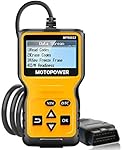
While you could play detective with an OBD2 scanner, sometimes it's best to let a pro handle the magnifying glass – take your Veloster to someone who knows their spanners from their spatulas.
Shop From Amazon


How often should I pamper my Veloster's engine oil to avoid this p3497 nonsense?
Well, after a jaunt of 7500 to 10,000 miles, give your Veloster a little TLC and see if it's thirsty for fresh oil. Think of it as a spa day for your car.

Nick Marchenko, PhD
Industrial Engineer & Automotive Content Specialist
Nick writes in-depth guides on car clubs, engine specs, vehicle ownership, and modifications, combining engineering knowledge with automotive passion.
Full profile → LinkedIn →You May Also Like
Here Are The 5 Hyundai Veloster Years to Avoid
3 years agoAre you in the market for a Hyundai Veloster? Before you make a purchase, it's important to know which years to avoid. The Veloster has had its fair share of issues, including problems with the s...
Revamp and Protect: The Art of Wrapping Your Hyundai Veloster – Cost and Benefits Unveiled
2 years agoFirst of all, adding car wrapping to your Hyundai Veloster is a common way to transform its aesthetic appeal, which can be an exciting experience. We'll examine the craft of wrapping your Hyund...
Hyundai Veloster Brake Lights Not Working - DIY Troubleshooting Guide
2 years agoAh, the Hyundai Veloster – a unique car with its three-door quirkiness that turns heads. But what doesn't turn heads (or, for safety's sake, should but might not) are brake lights that d...