Disclaimer: Not affiliated with or endorsed by Honda Motor Company. For informational purposes only. Full Disclaimer
How To Fix Honda Pilot Brake Light Fail - Easy And Effective Solutions
Updated:
Brake light issues in the Honda Pilot can be both perplexing and hazardous. This guide amalgamates various troubleshooting strategies and solutions from Honda Pilot owners to assist you in resolving brake light failures effectively.
Step 1: Preliminary Checks
- Brake Lamp Indicator: If the "Brake Lamp" light on your dashboard is illuminated, it indicates an issue with the braking system, often related to the brake lights.
- Check Brake Lights: Test the brake lights. If they don’t illuminate when the brake pedal is pressed, but the rear lights function with headlights on, it points towards a specific brake light issue.
Step 2: Bulb Inspection
- Dual Elements: Understand that Honda Pilot brake light bulbs have two elements - one for the tail light and one for the brake light. One can fail while the other works.
- Inspect and Replace Bulbs: Check if both brake light bulbs are operational. Despite seeming unlikely, it is possible for both to fail simultaneously. Replace if necessary.
Looking for a brake light bulb for your Honda Pilot? Check the chart below to find the exact bulb size you need:
Step 3: Brake Fluid and Electrical Checks
- Brake Fluid Level: Ensure the brake fluid is at the correct level, as low fluid can sometimes trigger warning lights.
- Brake Switch Function: Test the brake switch. A functional switch should allow shifting from park to reverse. However, the switch can still be faulty even if it allows gear shifting. You might hear a click when pressing the brake pedal.
- Fuse Check: Inspect the "Stop" fuse and other related fuses. A blown fuse could lead to brake light failure.
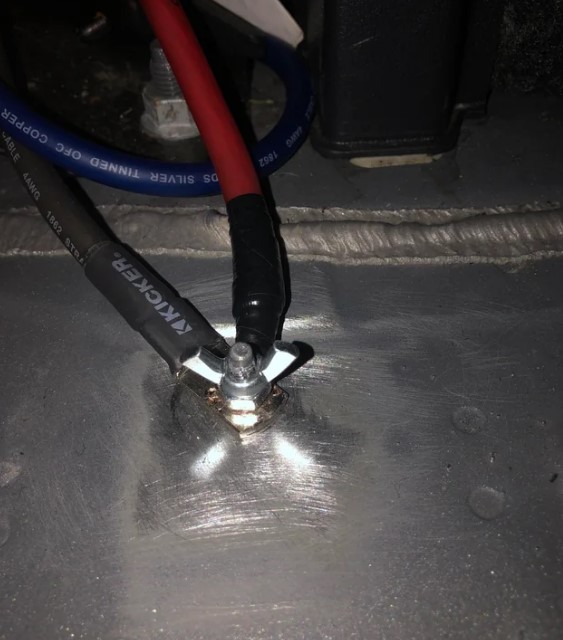
- Ground Connection: Verify the ground connection of the brake light terminals. A bad ground can cause light malfunction.
Shop From Amazon


Step 4: Advanced Troubleshooting
- Circuitry and Switch Testing: If replacing bulbs and checking fuses don’t resolve the issue, consider testing the brake light circuit and the brake light switch.
- A continuity test of the switch (when the brake is pressed) and the wiring might be necessary.
- Temporarily bridging wires (such as white/yellow with white/black) can test the brake switch functionality. If lights work upon bridging, the switch might be the culprit.
Shop From Amazon


Step 5: Consider Vehicle-Specific Quirks
- Internal Connections: For certain models, internal connections, like those near the subwoofer, might affect the brake lights. Ensure all internal plugs, especially those near the subwoofer, are connected.
- Turn Signal and Tail Light Functionality: Confirm if turn signals and tail lights are functioning. In some cases, these can work fine while brake lights fail, indicating a more specific problem with the brake light system.
Step 6: Professional Assistance
If all else fails, and you’re unable to diagnose the issue, it may be time to seek professional help. Sometimes, an experienced eye can quickly identify and resolve issues that are not apparent to the average person.
Conclusion
Troubleshooting brake light issues in a Honda Pilot can involve a process of elimination, from the simplest solutions like bulb replacement to more complex electrical diagnostics. Always prioritize safety and, if unsure, seek professional advice. Remember, driving with non-functional brake lights is a serious safety hazard and often illegal. Therefore, addressing this issue should be considered a high priority.
See Also:
- How To Change A Blown Fuse In Honda Pilot?
- All you need to know before replacing interior lights in your car
- What Causes Honda Pilot Won’t Start & Make Clicking Noise
- How To Clean Your Honda Pilot's Headlights?
- How To Replace a Honda Pilot Battery?

Nick Marchenko, PhD
Industrial Engineer & Automotive Content Specialist
Nick writes in-depth guides on car clubs, engine specs, vehicle ownership, and modifications, combining engineering knowledge with automotive passion.
Full profile → LinkedIn →You May Also Like
How to Fix Dents and Dings on your Honda Pilot?
2 years agoRepairing dents and dings on your Honda Pilot can be a fun and affordable do-it-yourself activity. Although little dents from parking lot incidents or small collisions can be ugly, you can restore you...
What Does the Honda Pilot p0456 Code Mean?
2 years agoWhen we dive into the P0456 code for a Honda Pilot, typically, it's signaling a hiccup with the vehicle's evaporative emission system. This translates to a small leak lurking somewhere in the...
What Size Camper Can a Honda Pilot Pull?
2 years agoThe Honda Pilot is Honda's largest SUV, designed to accommodate multiple passengers or cargo in its 3-row configuration. With accommodation for up to eight passengers, it fills the gap between mid...
Honda Pilot VIN Decoder - Solving The Mystery Of Vehicle Identification Number
2 years agoIn the realm of the Honda Pilot, each one is bestowed with a unique identifier known as a Vehicle Identification Number, or VIN for short. This alphanumeric sequence is brimming with essential informa...
How To Change Headlight Bulb In 2014 Honda Pilot
2 years agoChanging a headlight bulb in your 2014 Honda Pilot might seem like a task best left to the pros, but with a bit of know-how and some elbow grease, it’s something you can tackle in your own garag...
The 2022 Honda Pilot: Navigating Through the Trim Levels
2 years agoIf you're hunting for an SUV that doesn't just blend into the family car crowd but stands out with a bit of muscle and flair, the 2022 Honda Pilot should be circling your radar. This isn't...