Disclaimer: Not affiliated with or endorsed by Honda Motor Company. For informational purposes only. Full Disclaimer
Orientation Light: Interpreting the Honda Element ABS Alert and Restarting the Device
Updated:
First of all, Traveling with your Honda Element is a dependable and adaptable experience. On the other hand, you should pay attention when the Anti-Lock Braking System (ABS) light flickers on your dashboard.
In this tutorial, we examine the causes of your Honda Element's lit ABS light and walk through how to reset the system. Maintaining the highest level of performance and safety while driving requires that you comprehend this warning light. Together, we can interpret the ABS's code and find a reset solution for your Element.
How to Interpret the ABS Warning

As a watchful steward, the ABS light on your Honda Element alerts you to potential problems with the Anti-Lock Braking System. When illuminated, it usually means that one of the ABS components is broken or malfunctioning.
In an emergency, the ABS is essential in preventing wheel lock-up while braking and maintaining steering control. Damaged wiring, problems with the ABS module, or malfunctioning sensors are common causes of the ABS light.
Ignoring the warning light can reduce the effectiveness of your Element's brakes, so you should take immediate action to resolve the underlying cause.
Tools for Diagnosis and Expert Support

Consider using diagnostic tools intended for decoding ABS codes to solve the mystery of the ABS light. These tools provide specific problem codes related to the ABS system and connect to the onboard diagnostic (OBD-II) port on your Element. Equipped with this knowledge, you can discern the underlying reason for the warning light.
Shop From Amazon
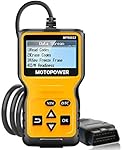


While some enthusiasts prefer to handle these diagnostics on their own, others might prefer to enlist the help of a dealership or certified mechanic. Professional help ensures a thorough evaluation of the ABS, resulting in an accurate diagnosis and a workable solution.
Resetting the ABS System

The ABS must be reset and the warning light extinguished when the problem has been resolved. Although some automobile types can be manually reset by unplugging the battery for a short while, Honda Elements frequently require specific tools or techniques.
By using an OBD-II scanner that can perform ABS operations, you can reset the system by removing the fault codes that have been stored.
Alternatively, after a few successful driving cycles without any problems found, some Elements might automatically reset the ABS. It's important to know how to reset your specific Element model so that the transition from warning to normalcy goes smoothly.
Taking Care of Common Causes

To improve your troubleshooting, learn about the typical reasons why Honda Elements' ABS problems occur. The ABS may not function properly due to corrosion or dirt-induced sensor problems.
Make sure the connections are correct and the ABS sensors are cleaned regularly. ABS failures can also be caused by damaged wiring or connectors, which can be found and fixed visually.
Furthermore, problems with the hydraulic unit or ABS module might need professional resolution. Proactive maintenance and timely resolution of these common issues influence the general health and reliability of your Element's ABS.
In summary, the ABS warning light serves as an essential messenger in the story of owning a Honda Element, informing you of potential problems with the Anti-Lock Braking System.
A proactive approach to ABS maintenance is ensured by understanding the meaning of this warning light, using diagnostic tools for an accurate assessment, and addressing common causes.
The objective is to return the system to optimal functioning and turn off the warning light, whether you use specialized equipment or a manual reset.
Let the ABS light serve as a beacon for safer and more reliable driving as you navigate the roadways in your Honda Element. Enjoy and drive safely!

Nick Marchenko, PhD
Industrial Engineer & Automotive Content Specialist
Nick writes in-depth guides on car clubs, engine specs, vehicle ownership, and modifications, combining engineering knowledge with automotive passion.
Full profile → LinkedIn →You May Also Like
How to know that Honda Element's battery is dead
2 years agoOne way to tell if your Honda Element's battery is dead is if the lights start acting strangely. If you see that your headlights or interior lights are not as bright as usual, you need to check an...
Here Are The 5 Honda Element Years to Avoid
3 years agoAre you considering buying a Honda Element? Before you make a decision, it's important to know which years to avoid. While the Element has a unique design and plenty of cargo space, it's not...