Disclaimer: Not affiliated with or endorsed by Honda Motor Company. For informational purposes only. Full Disclaimer
How To Prepare Honda Civic for Winter?
Updated:
As the chill of winter makes its presence felt, our wardrobes adjust from light, summer apparel to more snug, heat-retaining outfits to combat the harsh cold. This adaptation isn't just limited to our clothing, Honda Civic owners also gear up their vehicles to withstand the winter season and any difficulties it may bring along.
Getting your Honda Civic ready for the frosty weather is a straightforward process, but it does demand a certain level of commitment and patience.
It's always better to winterize your vehicle in advance rather than facing a sudden problem without the appropriate resources or knowledge.
Honda Civic Pre-Winter Checklist
Winter conditions can be volatile and potentially hazardous. Icy, snow-coated roads coupled with freezing temperatures demand vigilant driving - the Honda Civic should also be sufficiently prepared to tackle any winter-related issues head-on.
Tires

Similar to how we need the right shoes for the winter season, cars require winter "tires" for maintaining optimal grip on snowy surfaces. Switching your summer tires to winter ones is advisable when the temperature drops to around +7 Celsius (+44 Fahrenheit).
Inspect your winter tires for tread depth, rubber condition, and air pressure to ensure they are ready for winter. During this season, tire pressure should be checked more frequently as tires tend to deflate faster due to cold temperatures. A simple rule of thumb to remember: every 10-degree drop corresponds to a 1 PSI decrease.
Shop From Amazon


The cardinal rule is to change your Honda Civic tires ahead of time. Surely, you wouldn't want to be caught in a long queue when the season hits. Plus, this could save you both time and unnecessary stress.
Brakes
While maintaining good winter traction and acceleration is important, focusing on your stopping power is just as crucial, especially on slippery terrains like ice and snow. Ensure your Honda Civic brake pads and rotors are in good shape and can deliver optimal braking performance.
Shop From Amazon


Battery

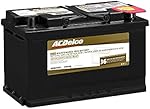
The biting cold of winter can drastically affect the capacity of your Honda Civic's battery. At severe lows, such as -30 degrees, the battery's typical energy can drop by as much as 30% or even more.
This might not be enough to kickstart your Civic. During winter, if your Honda Civic sits idle for more than a couple of days, you might be faced with a drained battery. In such circumstances, you may require assistance from a fellow driver or have to carry the battery home for a charge.
Shop From Amazon


Oils
Before the frost hits, it's essential to change the Honda Civic's oil and oil filter. The oil acts as a lubricant for the engine's metal parts, preventing them from damage. The oil's viscosity, or its thickness, plays a significant role in the engine's functioning.
If the oil becomes overly thick, it can move sluggishly over the components, potentially leading to engine overheating.
Shop From Amazon


As temperatures fall in winter, the oil thickens. However, this problem can be readily addressed by using oil with lower viscosity (low viscosity index oil) specially designed for winter use.
Coolant
When winter starts to set in, it's necessary to replace your regular coolant with an antifreeze solution. Antifreeze doesn't just protect your Honda Civic's engine in cold weather, but it also inhibits the corrosion of components.
Shop From Amazon


Keeping an adequate level of antifreeze is crucial. A 50:50 mix is ideal and stops the fluid from freezing even in extremely cold conditions (-40 degrees).
If the quantity of antifreeze is insufficient, the coolant could freeze, which might lead to engine overheating and require one or more gasket replacements.

Consumables
Before venturing out on frosty roads, it's essential to give items like spark plugs, wires, cables, belts, and hoses a thorough check under the hood. Don't shy away from an in-depth examination, because noticing a problem now will allow you to find a solution quickly.
Shop From Amazon


It's always better to proactively address potential issues now rather than encounter them unexpectedly on a snowy road.
Fuel Level
Operating with a low fuel level can be harmful to your Honda Civic at any time of the year, as it increases the risk of getting stranded without the opportunity to refuel. Driving with a nearly empty tank in winter is even riskier.
Due to the cold temperatures and their constant fluctuations, condensation can form on the walls of a half-empty tank, leading to potential fuel contamination by water.

Since water is denser than gasoline or diesel, it will settle at the bottom, creating a significant issue: if water enters the fuel line, it can freeze, impeding the fuel supply to the engine and causing havoc with your plans. Repairing such a malfunction can be incredibly expensive.
Therefore, despite occasional fluctuations in fuel prices, keeping a consistently full tank can both safeguard your vehicle and potentially save you money in the long run.
Wiper Blades and Washer Fluid
Poor visibility in severe winter conditions can present substantial risks, making it crucial that your Honda Civic wipers are in prime condition.
Imagine navigating the road at night when a sudden flurry of snow and rain bombards your windshield. You switch on the wipers to enhance visibility, but instead of clearing the view, the deteriorating rubber blades only smear the windshield.
Shop From Amazon


Given that wiper blades are rubber, they can become brittle and degrade over time. It's advisable to replace your wiper blades every 6-12 months.
Additionally, don't neglect the Honda Civic windshield washer fluid level - it's vital for removing snow and ice from your windshield. Be sure to exchange the regular fluid for a winter-grade solution. These are available at any gas station.
Emergency Kit
The road, especially in winter, is fraught with unpredictability. However, you can be prepared for most eventualities.
One of the best steps you can take is keeping a specialized emergency kit in your Honda Civic. Ensure your kit includes the following items:
- Jumper cables;
- First aid kit;
- Window scraper and brush;
- Compact shovel;
- Warm clothes;
- Compact flashlight with batteries;
- Extra coolant or antifreeze;
- Car door lock defroster;
- Silicone grease for seals;
Shop From Amazon


Wrapping Up
As we've explored, preparing your car for winter isn't a daunting task. Sure, it requires a bit of your time and some essentials in your trunk, but it's always better to be equipped for every possible winter scenario than to find yourself stranded without any solutions.

Nick Marchenko, PhD
Industrial Engineer & Automotive Content Specialist
Nick writes in-depth guides on car clubs, engine specs, vehicle ownership, and modifications, combining engineering knowledge with automotive passion.
Full profile → LinkedIn →You May Also Like
How To Maintain Leather Seats in Honda Civic?
3 years agoThe Honda Civic is synonymous with refinement and craftsmanship, a legacy maintained by the car's comfortable and high-end leather seats. Whether your Honda Civic comes directly from the factory w...
How to Get Rid Of Bad Smell in Honda Civic? Tips for Removing Car Odors
3 years agoAfter some point, you may smell that distasteful odors inside Honda Civic. If you treat your vehicle with love and take care of its interior, you can still face smells. Additionally, the more co...
Tips How to Detail Exterior & Interior of Honda Civic
3 years agoEven if you manage to keep your Honda Civic clean by storing it in a clean place, you can still witness dirt or dust appearing on it. If you drive your vehicle in the rain or through muddy terrain or...
How To Clean Your Honda Civic's Headlights?
3 years agoOver time, the headlights of your Honda Civic may inevitably become clouded, resulting in a decrease in their original clarity. There are a multitude of factors contributing to this issue, includin...
How To Clean Your Honda Civic’s Engine
3 years agoThe engine of the Honda Civic is the driving force that influences acceleration, speed, and overall handling. It's the lifeblood of your Civic, and preserving it ensures longer vehicle life and pr...
How To Clay Bar Your Honda Civic?
2 years agoEver caught yourself admiring the sleek, mirror-like shine of your Honda Civic? If so, you might be intrigued by a technique called clay bar detailing, which can take your car's gloss to new heigh...