Disclaimer: Not affiliated with or endorsed by Honda Motor Company. For informational purposes only. Full Disclaimer
How To Keep Honda Civic In Good Condition
Updated:
The Honda Civic is not just about getting you from point A to point B; it's about providing comfort and efficiency along the way. Whether commuting daily or taking long road trips, the Civic's design ensures a smooth ride.
To keep your Honda Civic performing at its best, it's vital to maintain it regularly.
This article outlines steps to ensure your Honda Civic's longevity, bringing joy and reliability to every drive.
Engine Setup
The heart of the Honda Civic is its engine. It requires regular checks to ensure that it performs as efficiently as possible. Don't forget to occasionally open the hood and inspect the engine and its components.
Regularly Change Filters in Honda Civic
Filters play a crucial role in the engine's operation, preventing contamination from entering the motor. Over time, filters can become clogged and need replacement.
Therefore, follow the recommended Honda Civic maintenance schedule for optimal engine performance. General guidelines include:
- Air filter - once a year or 12 thousand miles;
- Oil filter - with each oil change;
- Fuel filter - once every 12-15 thousand miles.
Shop From Amazon


Don’t Forget About Spark Plugs

Honda Civic's spark plugs are essential for burning the fuel-air mixture in the engine cylinders. Worn-out plugs lead to uneven engine operation, poor acceleration, and increased fuel consumption.
If the engine isn't performing as it should, check the spark plugs. They may need to be replaced if dirty or worn. The usual replacement interval is 80-100 thousand miles.
It's also wise to replace the high-voltage wires with spark plugs as their malfunction can cause similar symptoms.
Shop From Amazon


Monitor the Overall Condition of Your Honda Civic's Engine
The engine's complexity requires constant attention. Even a small failure in any component can lead to instability or engine failure. Thus, you must always keep an eye on your Honda Civic's engine. Signs of potential trouble include:
- Unusual sounds - knocking, whistling, howling, or unstable operation;
- Visual indications - cracks, oil leaks, loose fasteners, and more;
- Smoke from the exhaust system, indicating potential major engine problems;
- Unstable operation, jerking, or poor acceleration.
Should you notice any of these signs, seek professional assistance promptly. Addressing small issues early can prevent costly and complex repairs down the road.
Pay extra attention to the timing system

The gas distribution system of the Honda Civic engine can be of two types: a belt or a chain.
It is responsible for controlling the timing of engine operations. As time goes on, the timing drive can wear out, and it may no longer function as intended from the factory.
The chain stretches while the belt cracks, and as a result - it can break, leading to significant engine damage. Therefore, be mindful of the timing system on your Honda Civic:
- Belt - typically lasts approx. 60-100 thousand miles;
- Chain - it's usually good for 200-250 thousand miles
Fluids
Fluids in the Honda Civic contribute to the optimal operation of all systems and components.
Engine oil, coolant, brake fluid, washer fluid, and fuel - all work together to ensure seamless operation of various vehicle systems.
Regularly check the Honda Civic's oil level
Engine oil is vital for the Honda Civic's engine. It lubricates the moving parts, reducing friction and preventing overheating. Therefore, monitoring the oil level and condition is crucial.
How to check your Civic's engine motor oil?
- Perform checks on a cool engine to avoid accidents due to hot liquid;
- Find the oil dipstick, typically located on the engine side;
- Follow the usual process of checking the oil level, and ensure it's clean without contamination;
Always use the manufacturer's recommended viscosity and regularly replace the engine oil for your Honda Civic.
Shop From Amazon


Check the Honda Civic's coolant level

Coolant is another essential element for the Honda Civic's engine operation. It maintains the necessary temperature to prevent overheating.
How to check the coolant level on your Honda Civic?
- Only perform a coolant check on a cool engine;
- Locate the expansion tank and follow the usual steps for checking the coolant level;
- Be mindful of the coolant's condition, and follow the recommended replacement interval, usually 20,000 miles or 2 years (whichever comes first).
Shop From Amazon


Frequently Check Honda Civic's Brake Fluid Level
Brake fluid is an essential factor in the safety of your Honda Civic. It's vital in determining how your brakes will function and respond.
Maintaining the brake fluid in good condition is key. It should neither be cloudy nor contaminated, and the quantity should be sufficient.
The Civic's brake fluid reservoir is located near the master brake cylinder under the hood. A routine change, at least once every two years, is recommended.

Keep an Eye on the Washer Fluid Level
Though not as crucial as other fluids, the Honda Civic's windshield washer fluid affects your driving comfort. Having a clean windshield enhances visibility and driving pleasure.
Keep track of the washer fluid level in the tank, located under the hood. Monitor the level visually, and if needed, replenish the tank. Make sure to use a suitable windshield washer fluid rather than regular water to prevent freezing and damage.
Shop From Amazon


Adhere to Honda's Fuel Recommendations
Fuel with the appropriate octane number is crucial for the Honda Civic. Using fuel with a lower octane rating could cause detonation and damage to the engine's internal components.
Such a mismatch not only leads to power loss but also increases fuel consumption. Always fill up with the fuel type advised in the Civic's user manual, often noted on the gas cap, to avoid mistakes.
Shop From Amazon


Exterior Care
Maintaining the Honda Civic's exterior properly is more than just an aesthetic concern; it's essential for performance and longevity.
Ensure Bright and Clear Headlights on Your Honda Civic

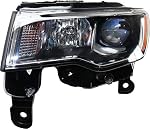
Headlights are the Civic's guiding light in low-visibility situations. Monitoring their condition and brightness is essential for safe driving.
If the headlights dim or fog, consider polishing them or replacing the bulbs.
Shop From Amazon

![ACANII - For [HID/Xenon Model Only] 2014-2018 Jeep Cherokee Projector Headlight Headlamp Replacement Passenger Side](https://m.media-amazon.com/images/I/41+vdGbHSXL._AC_UL150_.jpg)
Regularly Replace Honda Civic Windshield Wipers
Honda Civic's wiper blades are essential for clear vision in various weather conditions. As they deteriorate, they lose effectiveness, leaving streaks and impairing visibility.
Shop From Amazon


Monitor Honda Civic's Body for Corrosion

The Honda Civic's suspension has been engineered to master various road conditions, ensuring a smooth and comfortable ride for both the driver and passengers.
Keep an eye on the condition of your suspension - it should work effortlessly and gracefully overcome any obstacles. When driving your Civic, noises such as knocking, grinding, or whistling shouldn't be present. The suspension should operate quietly.
Your Honda Civic should not bounce on potholes but rather maintain a straight path. There shouldn't be any sensation of being jostled: everything should be smooth.
If you detect any of the above signs, consult a mechanic or address the problem yourself. Suspension issues can be hazardous, particularly when driving at high speeds.
Brakes
Responsive brakes are crucial for safety. When driving your Honda Civic, efficient stopping is as vital as smooth acceleration. Keep a close eye on the condition of your brake system - it should function flawlessly.
Brake Pads
Never cut corners on your Honda Civic brake pads, as your safety hinges on them. Monitor the pad's working surface, replacing it when wear occurs due to friction with the disk.

After a 60-mile run post-replacement, your Civic's pads should run flawlessly - no biting or sticking. If problems persist, a second inspection may be necessary.
Shop From Amazon


Brake Rotors
Keep an eye on brake rotors, as they too wear over time. Honda Civic brake rotors should be smooth, without any irregularities or signs of overheating.
Shop From Amazon


Wheels & Tires
Wheels and tires are essential components of the Honda Civic, influencing safety, comfort, and the overall driving experience. Regular checks are vital to ensure they are in good shape.
Consider the following when inspecting your tires:
- Tire pressure. Proper pressure ensures a smooth and safe ride in your Civic. Check the fuel tank lid, driver's side door jamb, or your owner's manual for the correct measurements;
- Tread condition. The tire tread impacts stability and control, particularly around corners. Replace them if you notice significant wear on your Honda Civic;
- Rim alignment. If any abnormalities or vibrations occur while driving, inspect the rims;
- Seasonal tire changes. Switch to winter tires when necessary to maintain performance on icy and snowy surfaces with your Civic.
In Conclusion
Keeping your Honda Civic in prime condition is key to extending its lifespan.
Though it might require some effort, you will enjoy a ride that's both pleasurable and comfortable, knowing that all components are working as they should.

Nick Marchenko, PhD
Industrial Engineer & Automotive Content Specialist
Nick writes in-depth guides on car clubs, engine specs, vehicle ownership, and modifications, combining engineering knowledge with automotive passion.
Full profile → LinkedIn →You May Also Like
How To Clean Your Honda Civic's Throttle Body?
2 years agoThe Honda Civic's throttle body is a crucial component tasked with providing air to the engine's combustion chambers, thereby influencing the appropriate formation of the fuel-air mixture. As...
How To Clay Bar Your Honda Civic?
2 years agoEver caught yourself admiring the sleek, mirror-like shine of your Honda Civic? If so, you might be intrigued by a technique called clay bar detailing, which can take your car's gloss to new heigh...
How To Clean Your Honda Civic’s Engine
3 years agoThe engine of the Honda Civic is the driving force that influences acceleration, speed, and overall handling. It's the lifeblood of your Civic, and preserving it ensures longer vehicle life and pr...
How To Prepare Honda Civic For Off Road
2 years agoSome folks see city cruising as an art while others view it as an everyday hustle, a brisk drive, or a calming glide through urban sprawl. Regardless of your perspective, there's no denying that n...
How To Deep Clean Your Honda Civic’s Interior?
2 years agoWhile many might believe that Honda Civics were designed solely for city commutes, they'd be mistaken. This vehicle offers not just convenience, but also comfort and impressive speed, ensuring you...
How To Open The Hood Of the Honda Civic?
2 years agoIf you're the proud driver of a Honda Civic, there's no doubt that you're familiar with its impressive features and capabilities. But if you've recently gotten behind the wheel of this...