Disclaimer: Not affiliated with or endorsed by Honda Motor Company. For informational purposes only. Full Disclaimer
How To Keep Honda Accord In Good Condition
Updated:
The Honda Accord is more than a means to get from point A to point B. It's equipped with features for comfort, whether you're on a daily commute or a longer journey with luggage.
If you want your Honda Accord to serve you well for many miles, it's crucial to take care of it with regular inspections and proper maintenance.
This article provides guidance on maintaining your Honda Accord, ensuring each drive is both a joy and a comfort.
Engine Setup
The heart of the Honda Accord is its engine; its performance is key to your driving experience. Make it a habit to lift the bonnet now and then to check that the engine and its components are in tip-top condition.
Regularly Change Filters in Honda Accord

Filters are essential for the smooth running of the engine. They keep contaminants at bay, preventing any unwanted substances from entering.
Like all filters, these become clogged over time and must be replaced.
Follow the Honda Accord's maintenance schedule to keep the engine running smoothly. Some general tips include:
- Air filter - once a year or 12 thousand miles;
- Oil filter - with each oil change;
- Fuel filter - once every 12-15 thousand miles.
Shop From Amazon


Keep Those Spark Plugs Fresh

The spark plugs in a Honda Accord are crucial for the fuel-air mixture combustion in the engine cylinders. Worn-out plugs lead to uneven engine performance, sluggish acceleration, and increased fuel consumption.
If the engine doesn't seem right, inspect the spark plugs. Soot or dirt indicates they need replacement.
Typically, the interval for spark plug replacement is 80-100 thousand miles.
Don't forget to replace the high-voltage wires with the spark plugs; malfunctions here can lead to the symptoms described above.
Shop From Amazon


Maintain Vigilance Over Your Honda Accord's Engine
An engine is a masterpiece of engineering. With thousands of parts working in unison, vigilance is key for the Honda Accord's reliability and longevity.
Even a minor fault can cause issues. Constant monitoring of the Accord's engine will prevent minor problems from becoming major headaches. Here are some signs to watch for:
- Strange noises - knocks, whistles, howls or unstable operation can all point to an underlying issue;
- Visual checks - leaks, cracks, loose fasteners all need quick attention;
- Smoke - thick and white could mean burning oil, while black smoke may signal a rich fuel-air mixture;
- Unstable engine operation, jerks during acceleration, poor acceleration - all warning signs of potential engine trouble.
If any of these signs appear, act promptly. Addressing a small problem early often prevents a larger, more expensive repair down the road.
Give Special Consideration to the Timing System
The Honda Accord's gas distribution system can come with a belt or a chain.
This crucial piece is what makes the valves tick and the engine purr. Over time, the timing drive can lose its edge, and you might be in for some expensive repairs.
The chain may stretch, while the belt may crack - both leading to severe engine damage. Here's what to watch for on your Honda Accord:
- Belt - typically lasts 60-100 thousand miles;
- Chain - should be good for 200-250 thousand miles;
Fluid Mechanics
The fluids in a Honda Accord aren't just there for fun; they're the lifeblood of the car.
Engine oil, coolant, brake fluid, washer fluid, and fuel - they all work together to keep your Accord running smoothly.
Keep an Eye on the Honda Accord's Oil Level
Engine oil isn’t something to take lightly. It lubricates everything that moves inside the engine, preventing overheating. So, knowing how to check and maintain it is crucial.
How to Check the Accord's Engine Motor Oil?
- Wait until the engine's cold, give it at least 10-15 minutes after driving;
- Locate the oil dipstick, usually on the side of the engine;
- Use a clean cloth to wipe it, then insert it back and pull it out again to check the oil level;
- Keep an eye on the optimal level and the cleanliness of the oil.
Choose the right oil for your Honda Accord, and remember to change it regularly.
Shop From Amazon


Don't Neglect the Honda Accord’s Coolant Level

Antifreeze is to an engine what a fan is to a hot day; it keeps things cool and running smoothly. Here's how to ensure the coolant in your Accord is up to the task:
How to Check the Coolant Level in Your Honda Accord?
- Always check when the engine's cool;
- Look for the expansion tank under the hood;
- Inspect the amount and quality of the antifreeze, and remember, it usually needs to be replaced every 20,000 miles or 2 years.
Shop From Amazon


Keep an Eye on Your Honda Accord's Brake Fluid Level
Brake fluid is to stopping what petrol is to going - it's utterly essential for safety. Your Honda Accord relies on this often-overlooked liquid to function well under braking pressure.
Don't allow it to become the forgotten fluid. Cloudy or dirty brake fluid can be as unwelcome as a wet track day. Keep it clean and plentiful, just like your enthusiasm for driving.
Locate the brake fluid reservoir near the master brake cylinder under the hood. Regularly check, and if it needs a refresh, follow your Accord's servicing instructions - changing the brake fluid is advised at least biennially.
Windshield Washer Fluid: Don't Overlook It
A dirty windshield is like a race with no end - simply frustrating. The Honda Accord's washer fluid might seem trivial, but it keeps the road ahead clear.
The reservoir is under the hood, bearing the windshield washer icon. Visually check the fluid level and add if necessary. Ordinary water won't do; it might freeze and wreak havoc, not unlike a badly-chosen tire in winter driving.
Shop From Amazon


Fuel: Opt for What Honda Recommends
Filling your Honda Accord with the right fuel is like choosing the perfect driving line – it's vital for a smooth ride. The wrong octane can cause detrimental effects to the engine, much like a poorly executed oversteer can to your lap time.
Always choose the fuel type stated in the manual, or even better, look for it on the gas cap. It's Honda's subtle nod to what's best for your Accord.
Shop From Amazon


The Exterior: Not Just About Looks
Your Honda Accord's exterior is like the first impression at a car meet. It speaks volumes before the engine even starts. Proper care is key, not just for appearance but for safety too.
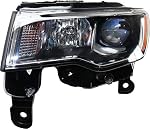
The Importance of Accord's Headlights

Your headlights are your guide through the night; think of them as your road-illuminating co-pilots. When they dim or fog up, you lose the way.
Fix them with a polish or replace the bulbs. Don't wait till you're driving blind at night, like going into a turn without knowing what's beyond.
Shop From Amazon

![ACANII - For [HID/Xenon Model Only] 2014-2018 Jeep Cherokee Projector Headlight Headlamp Replacement Passenger Side](https://m.media-amazon.com/images/I/41+vdGbHSXL._AC_UL150_.jpg)
Wiper Blades: Your Rainy-Day Friends
When the rain pours down, Honda Accord wipers are your best allies. They clear the way, ensuring you stay on track. Keep them in tip-top shape to avoid unwanted streaks or even worse, a total wipeout.
Shop From Amazon


Rust: The Unseen Enemy

Rust is to your Honda Accord's body what potholes are to a track - a creeping, relentless enemy. Keep an eye out, treat it early, and you'll keep your Accord looking as elegant as it drives. It's more than just cosmetics; it's about preserving the car's integrity.
Suspension Setup
The Honda Accord's suspension is a bit like a talented co-driver, managing the bumps and turns of the road, translating them into comfort and stability for you in the cabin.
Don't let the thrills of driving overshadow the importance of smooth, quiet suspension. The Honda Accord should glide over imperfections, keep straight over bumps, and make turns feel like you're on rails. No side-to-side lurching, no funny noises.
If your Accord starts to complain with creaks, knocks or other sounds, it's calling for attention. Don't ignore it; suspension faults at speed can ruin more than your lap time.
Brakes
Brakes are to your Honda Accord what a pit crew is to a race car - utterly essential. Whether accelerating through curves or cruising, stopping should be as smooth as your drive.
Brake pads

Brake pads are like good rubber on a racetrack; don't skimp on them. For your Honda Accord, check the pad's working surface, replace as needed, and remember, after about 60 miles of bedding in, they should feel smooth. Any irregularities? Time to revisit the job.
Shop From Amazon


Brake rotors
Your Honda Accord's brake rotors need to be as flawless as a perfect lap. Watch for signs of wear, chips, or overheating. The moment your rotors start to falter, it's time to pull into the pits for a change.
Shop From Amazon


Wheels & Tires
Your Honda Accord's wheels and tires are your connection to the road, your grip through the bends, your control. Check them like you'd check your racing lines:
- Tire pressure. Get it right for a balanced, responsive drive. Check your manual or the usual spots for the recommended PSI or Bar;
- Condition of the tread. Worn tread means less control. Watch it like you'd watch an opponent in your mirrors;
- Rolling of the rims. Any vibration? A dent in the rim could be the culprit. Repair or replace;
- Seasonal changes. Swap your Accord's tires with the weather, like adjusting your driving style to the track conditions.
To Sum Everything Up
Your Honda Accord deserves to be kept in tip-top condition. Yes, it demands attention and care, but in return, it rewards you with the driving pleasure, comfort, and safety that only a finely tuned car can provide.

Nick Marchenko, PhD
Industrial Engineer & Automotive Content Specialist
Nick writes in-depth guides on car clubs, engine specs, vehicle ownership, and modifications, combining engineering knowledge with automotive passion.
Full profile → LinkedIn →You May Also Like
How To Clean Your Honda Accord's Throttle Body?
2 years agoThe Honda Accord's throttle body plays a pivotal role in supplying air to the combustion chambers of the engine, hence orchestrating the correct air-fuel mixture formation. By pressing the acceler...
How To Clay Bar Your Honda Accord?
2 years agoEver contemplated the spick-and-span, mirror-finish allure of your Honda Accord? If that thought has crossed your mind, then it's time you acquainted yourself with the artistry of clay bar detaili...
How To Clean Your Honda Accord’s Engine
2 years agoThe engine of the Honda Accord sits at the core of your vehicle's performance, powering speed, acceleration, and the overall driving experience. Ensuring the engine is well-maintained is pivotal t...
How To Prepare Honda Accord For Off Road
2 years agoNow, some drivers swear by city streets, while others yearn for the open highways. Regardless of your preference, let's get straight to the point: long drives can really show what your Honda Accor...
How to Replace 2013 Honda Accord Headlight Bulbs?
2 years agoEnsuring that your 2013 Honda Accord's headlights shine brighter than a summer's day sun is not just for dodging the tickets. It's about ensuring you and everyone on the tarmac stay safe a...
How To Deep Clean Your Honda Accord’s Interior?
2 years agoYou'd be forgiven for thinking the Honda Accord exists solely for the daily grind. But that's only half the story. More than a mere tool for A to B, the Accord guarantees comfort, delivers on...