Disclaimer: Not affiliated with or endorsed by Ford Motor Company. For informational purposes only. Full Disclaimer
How To Keep Ford Ranger In Good Condition
Updated:
The Ford Ranger was not only crafted for tackling the trails and hauling cargo but also designed with features to offer comfort whether you're traveling from point A to point B or transporting heavy loads.
If you want your Ford Ranger to serve you well over the years, it's crucial to take care of it by inspecting the components and adhering to regular maintenance routines.
This article lays down key pointers for maintaining your Ford Ranger and prolonging its life, assuring that each journey will be one of satisfaction and comfort.
Engine Care
A Ranger's engine is its lifeline; your satisfaction depends greatly on its performance. Make it a habit to pop the hood occasionally to ensure the engine and its components are in top shape.
Regularly Change Filters in Ford Ranger

Filters are vital for the smooth functioning of the engine. They block contamination from entering the motor, thus preserving its health.
With time, filters can become clogged, necessitating replacement.
Hence, follow the Ford Ranger maintenance schedule for proper engine functionality.
As a general guideline, consider these tips:
- Air filter - once a year or 12 thousand miles;
- Oil filter - with each oil change;
- Fuel filter - once every 12-15 thousand miles.
Shop From Amazon


Stay On Top of Spark Plugs

Ford Ranger's spark plugs are central to igniting the fuel-air mixture in the engine cylinders. Worn plugs can lead to uneven engine performance, sluggish acceleration, and increased fuel consumption.
If the engine seems off, inspect the spark plugs. If you find them dirty or soot-covered, it's time for a change.
The usual interval for spark plug replacement is 80-100 thousand miles.
Alongside, consider replacing the high-voltage wires, as their malfunction can cause similar symptoms.
Shop From Amazon


Monitor the Overall Condition of Your Ford Ranger's Engine
The engine is a complicated system, comprising thousands of parts that must work seamlessly. Even minor glitches can result in unstable operation or complete failure.
Thus, keeping a close watch on your Ford Ranger's engine and acting promptly at any sign of malfunction is paramount. Here are some indicators that may point to engine issues:
- Unusual sounds like knocking, whistling, howling, or erratic performance;
- Visual inspections can reveal issues such as cracks, oil leaks, loose fasteners – fix these promptly to avoid bigger troubles;
- Smoke from the exhaust could signal major engine problems. Thick white smoke indicates burning oil, while black smoke means a rich fuel-air mixture and excessive fuel burning;
- Unstable engine operation, jolting during acceleration, or poor acceleration are all signs something's amiss with the engine.
If any of these signs crop up, don't delay in diagnosing the engine's issue. Acting quickly can save you from more extensive and expensive repairs in the future.
Give Priority to the Timing System of Your Ford Ranger

The gas distribution system of the Ford Ranger's engine can be either belt or chain-driven.
This essential component ensures the accurate timing of valve operations and pump initiations. Just like a racehorse loses its pace with age, the timing drive wears out and can become a failure waiting to happen.
Belts crack, chains stretch, and a snap can bend valves and damage pistons. So, for your Ford Ranger, don't overlook:
- Belt - replace every 60-100 thousand miles;
- Chain - capable of lasting 200-250 thousand miles.
Liquids: The Lifeblood
In your Ford Ranger, fluids do more than just flow; they are the lifeblood, ensuring the smooth functioning of the entire system.
Engine oil, coolant, brake fluid, washer fluid, and fuel - they all harmonize like a symphony for your vehicle's peak performance.
Regularly Inspect Your Ford Ranger's Oil Level
Think of engine oil as the Ranger's stamina; it takes care of friction, cooling those heated parts that move around. Checking it is like a fitness test, and here's how to do it:
Conducting an Oil Check on Your Ranger
- Only approach a cold engine. Give it at least 10-15 minutes to cool down after shutting off;
- Find the dipstick. Usually, it's a convenient pull-out on the side of the engine;
- Wipe it clean, reinsert, and check the level. It shouldn't be too low or overflow. A slightly above-middle mark is optimal;
- Watch out for black oil and unexpected particles. It might signal trouble in paradise, needing immediate intervention.
The Ford Ranger needs regular oil changes, and the viscosity must align with the manufacturer's choice.
Shop From Amazon


Monitor the Ford Ranger's Coolant Level
The Ranger's antifreeze is like its temperament, keeping it cool under every condition. Make sure it's always at the right level.
Assessing the Coolant Level in Your Ford Ranger
- Check only on a cool engine, just like the oil;
- Find the expansion tank under the hood, usually a prominent reservoir;
- Inspect the antifreeze amount and quality, maintaining a level between the min and max marks;
- Watch for any impurities and replace as needed, typically every 20,000 miles or 2 years.
Shop From Amazon


Regularly Check the Ford Ranger's Brake Fluid Level
Brake fluid is the silent hero of road safety in your Ford Ranger. This key fluid ensures that your brakes function optimally on and off the trail.
Therefore, never neglect the brake fluid's condition. Make sure it's clear, clean, and in the right amount. You'll find it under the hood, near the master brake cylinder. Changing the brake fluid at least once every two years is a must.
Don't Forget to Check the Washer Fluid Level
The washer fluid in your Ford Ranger may not seem critical, but trust me, it affects your comfort on the road. Dirty windshields and muddied roads are all part of the adventure, but you'll want to clean them off at some point.
Checking the washer fluid is as easy as looking at the tank under the hood. You'll find it near the reservoir with a windshield washer icon. The liquid level can be monitored visually. If it's running low, top it off. And hey, don't even think about using ordinary water—it'll freeze, wrecking the pipes and nozzles of your windshield washer.
Shop From Amazon


Fill Up With the Fuel Recommended by Ford
Your Ford Ranger deserves the right octane fuel. Anything less, and you risk detonation, damage to the engine, and a sad loss of that Ranger power. Plus, you'll see more fuel consumption. Stick to what's in the user manual, often found on the gas tank cap, and your truck will thank you.
Shop From Amazon


Exterior Maintenance
Your Ford Ranger's exterior isn't just about looks. It's about performance, durability, and the sheer joy of maintaining a machine that loves the open road as much as you do.
Keep Those Ford Ranger Headlights Bright

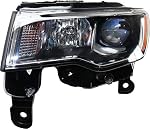
Your Ranger's headlights are more than just lights. They're your guiding stars on dark trails and foggy mornings. Keep them shining, clear, and ready to lead the way. Whether it's fogging or bulbs wearing out, polishing or replacing is key.
Shop From Amazon

![ACANII - For [HID/Xenon Model Only] 2014-2018 Jeep Cherokee Projector Headlight Headlamp Replacement Passenger Side](https://m.media-amazon.com/images/I/41+vdGbHSXL._AC_UL150_.jpg)
Replace Those Windshield Wipers
Your Ford Ranger's wipers are not just rubber blades; they're your clear view into adventure. They take quite a beating from the elements, and when they wear out, they compromise your visibility.
Shop From Amazon


Suspension Setup
The Ford Ranger's suspension is engineered for tackling rough terrains, ensuring a balanced ride whether on the city streets or off-road trails. It ensures both the driver and passengers a comfortable journey.
Keep an eye on the condition of your suspension - it should work smoothly, absorbing those bumps and dips without fuss. No knocking, grinding, or whistling - the Ranger's suspension should be a silent partner in your driving experience.
The Ford Ranger should not bounce around on rough roads; it should maintain direction, and there shouldn't be a sensation of the vehicle swaying erratically: everything should be smooth as silk.
If anything feels off, don’t hesitate to contact a mechanic. Suspension problems aren’t just annoying; they can be downright hazardous, especially if you're fond of a little spirited driving.
Brakes
Robust brakes are vital for the Ford Ranger, given its potential for speed and off-road challenges. Keep a close watch on your braking system - it should always be in top form.
Brake pads

Don’t skimp on brake pads for your Ford Ranger - they're vital to your safety. Check them regularly and replace them as needed.
Once replaced, give them about 60 miles to settle in. If anything still feels amiss, don't hesitate to give them another look or consult with a pro.
Shop From Amazon


Brake rotors
Brake rotors in the Ford Ranger also need regular attention. Keep them smooth, without cracks or chips. You don't want them betraying you mid-journey.
Shop From Amazon


Wheels & Tires
Wheels and tires are key components of your Ford Ranger's performance and safety. A regular check-up isn’t just good practice; it's essential.
Here are some top considerations:
- Tire pressure. Your Ford Ranger needs just the right amount of air in those tires to ensure a ride that's both comfortable and secure;
- Tread condition. Worn-out tread can compromise your Ranger’s grip, particularly around corners, so keep an eye on them;
- Rim rolling. If you feel unusual vibration at speed, you might have a wheel out of alignment;
- Seasonal tire changes. When winter hits, switch to your winter tires for maximum traction and safety.
To Sum Everything Up
Your Ford Ranger is a robust and versatile machine, but it needs your attention to stay that way.
A little effort in maintenance can keep your Ford Ranger performing optimally, delivering satisfaction every mile down the road or trail.

Nick Marchenko, PhD
Industrial Engineer & Automotive Content Specialist
Nick writes in-depth guides on car clubs, engine specs, vehicle ownership, and modifications, combining engineering knowledge with automotive passion.
Full profile → LinkedIn →You May Also Like
How To Deep Clean Your Ford Ranger’s Interior?
2 years agoSomeone may think that Ford Rangers were created only for transportation. However, this is not true. This vehicle provides comfort and the necessary speed rate and allows you to build your plans witho...
How To Clean Your Ford Ranger's Throttle Body?
2 years agoThe Ford Ranger's throttle body plays a crucial role in delivering air to the engine's combustion chambers, facilitating the right fuel-air mixture. When the accelerator pedal is depressed, th...
How To Clay Bar Your Ford Ranger?
2 years agoEver find yourself appreciating the glossy, immaculate look of your Ford Ranger and wondering how to maintain it? You might find the art of clay bar detailing to be particularly intriguing. This pr...
How To Prepare Ford Ranger For Off Road
2 years agoFor some drivers, going off-road is a job; for others, it's a thrilling experience, an adventure, and an opportunity to be in harmony with oneself and nature. Whether it's work or play, you mu...
How To Polish Your Ford Ranger's Rims?
2 years agoOptimizing the shine on your rims can massively boost the aesthetic appeal of your Ford Ranger. When you're out and about, the rims of your Ford Ranger are constantly exposed to the elements an...
How To Change A Blown Fuse In Ford Ranger?
2 years agoFuses play an essential role in ensuring the proper operation of a Ford Ranger's electrical systems. However, as time passes, fuses inside your vehicle can wear out and fail, which leads to the ma...