Disclaimer: Not affiliated with or endorsed by Ford Motor Company. For informational purposes only. Full Disclaimer
How to Fix Power Steering Assist Fault Ford Mustang
Updated:
Power steering stands as a contemporary engineering marvel that many of us often overlook. Nevertheless, this sophisticated system is not immune to issues, especially as it ages.
If you observe a warning light on your dashboard or experience difficulties in controlling your vehicle, it becomes essential to understand how to address a power steering assist fault.
Operating your vehicle with such problems is not advisable. This guide delves into the intricacies of the power steering assist system, examining potential causes of malfunctions.
Additionally, we provide insights into the steps to rectify the issue once identified. Towards the end of our guide, we outline the approximate costs associated with repairing the system, taking into account the specific issues that need attention.
What Does the Power Steering Assist Fault Message Mean?

The power steering assist fault alert indicates a problem with either the electrical or mechanical components of your power steering system.
Resolving the issue may involve tasks as straightforward as adding power steering fluid or addressing an electrical malfunction, but it could also signal a more substantial problem.
Contemporary vehicles predominantly employ electric power steering, and in the majority of instances where this warning message appears, there is a malfunction within this unit or its associated sensors. Let's delve deeper into an examination of the system.
What Is Power Steering Assist?

During the mid-20th century, steering a car required considerable physical effort to navigate it in the desired direction. It was not until 1951 that power steering made its debut in domestic automobiles, with the Chrysler Imperial being the pioneer model to incorporate this innovation.
Since its initial introduction, the power steering system has undergone significant advancements. In contemporary times, we now have electric power-assisted steering systems.
Unlike their predecessors, which relied on a hydraulic pump absorbing engine-generated energy, today's systems employ an electric pump to pressurize the fluid, facilitating easier steering.
Within the reservoir, hydraulic fluid is present. As the steering wheel is manipulated, the fluid transfers and generates a force that aids in turning the wheels.
Shop From Amazon
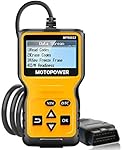


Unlike older systems that utilized a belt connected to the engine for energy, modern vehicles, particularly hybrids, opt for an electric pump powered by the battery.
The significance of the power steering system has heightened in today's context, particularly due to its integral role in advanced safety features.
Features such as parallel parking assist and lane assist, reliant on the EPAS (electric power-assisted steering) system, underscore the importance of this technology in modern vehicle operations.
Common Causes for Ford EPAS Failure

Low Fluid
Both hydraulic and electrical power steering systems rely on fluid for optimal functioning. Insufficient steering fluid may result in increased effort required to turn your vehicle.
Identify and address the cause of low fluid, such as leaks, before refilling to prevent recurring issues. Regularly check and change power steering fluid as per the owner's manual recommendations.
Bad Steering Angle Sensor
Proper functioning of power steering assist depends on an accurate steering angle sensor behind the steering wheel. Malfunctioning sensors can trigger a power steering assist error message and affect other systems like traction control.
Bad Wheel Alignment
Severe wheel misalignment may mistakenly signal a steering angle sensor problem, prompting a power steering assist error message. Indications of bad wheel alignment include a crooked steering wheel or the vehicle pulling to one side.
Blown Fuse
A blown fuse for the power steering pump or system can cause issues. Consult your owner's manual to locate power steering system fuses and replace if necessary.
Shop From Amazon


Electrical Fault
Electrical problems, common in newer power steering systems, may be due to a low battery or wiring issues. Use a code scanner to identify dashboard light issues and inspect the steering system wiring and connectors.
Failing Belt
Traditional power steering setups may have a belt running from the engine that can cause problems. Unusual sounds while turning may indicate a worn or damaged belt.
Bad Power Steering Pump
Both traditional and electrical power steering systems have pumps. Pump failure, although less likely, can impede fluid flow. Evaluate the pump if other troubleshooting steps yield no results.
How to Reset Power Steering Fault Code

If your dashboard displays a power steering fault message, it is crucial not to dismiss it. However, if you prefer not to drive with this alert, you can reset it by following the steps below.
The simplest method to reset the alert is to restart your car. Turn the entire vehicle on and off. This action resets all electrical components in your car.
Repeat this process 2 or 3 times to eliminate the power steering assist fault warning. The power steering system is integral to driving safety, and a failure in this system poses a significant safety risk.
Shop From Amazon


Therefore, when you receive an alert related to the steering system, it should not be ignored. Schedule a checkup at your earliest convenience.
Resetting the codes does not address the underlying issue. The power steering assist fault alert serves as an early warning system, indicating a potential failure in the power steering. To ensure the safety of your drive, avoid resetting the code and overlooking the problem.
Ignoring the alert may lead to its recurrence, and if you repeatedly reset the warning without addressing the root cause, you risk losing your power steering system unexpectedly. It is advisable to address the issue promptly to prevent any potential safety hazards.
How to Fix Power Steering Assist Fault in Ford Mustang
Follow these steps for torque sensor replacement: Before disassembling, lift the front wheels off the ground and place them straight forward.
Then, set the steering wheel to 11 o'clock. Refer to the instructions included with the new torque sensor kit to help you remove the upper and lower steering columns.
Before detaching the old torque sensor, confirm that the steering shaft keyway slot aligns with the diamond-shaped mark on the sensor's body.
If needed, gently adjust the wheels to align the two components. Remove the sensor by pulling the wire upward and lifting the other side of its body from the steering housing using a 90-degree pick.
Utilize the alignment tool from the kit by fitting the tab into the steering housing opening, and the tool spline into the keyway. Once the steering shaft is correctly aligned with the housing, install the new torque sensor, ensuring minimal movement to avoid displacing the steering column.
With the locking pin in place, ensure that the raised spline of the sensor aligns with the keyway slot of the steering shaft. Use your thumbs to push the sensor into the steering shaft, employing the alignment tool to fully seat the new sensor.
Confirm the correct alignment by checking the locking pin inside the window. If it touches one side, realign the sensor. Remove the locking pin if the sensor is correctly aligned, ensuring the entire pinhole is visible inside the window; otherwise, realign.
Reassemble the steering column, lower the vehicle, and start the engine. The steering wheel and wheels should remain centered throughout the process.

Nick Marchenko, PhD
Industrial Engineer & Automotive Content Specialist
Nick writes in-depth guides on car clubs, engine specs, vehicle ownership, and modifications, combining engineering knowledge with automotive passion.
Full profile → LinkedIn →You May Also Like
How To Choose the Best Light Bulbs For Ford Mustang? Complete Guide
2 years agoAutomotive light bulbs inside the Ford Mustang's headlights are crucial for providing visibility during all hours and in every weather condition, serving a vital safety role on the road. Yet, t...
How To Sell Your Junk Ford Mustang?
2 years agoLook after it and the Ford Mustang will be the gift that keeps on giving. But let's not kid ourselves, even the best of cars have a shelf life. Eventually, a car begins to feel its years. A Mus...
How To Change the Coolant in Ford Mustang?
2 years agoFrom the seasoned road-tripper to the newbie, oil changes and brake checks are etched in the schedule, but what about your coolant? This trusty liquid keeps your engine cool, vital for your Ford Musta...
Ford Mustang Shift System Fault
2 years agoHave you ever been on the road when you hear a concerning sound from your car, signaling a potential issue? While this might be a familiar experience, it is crucial to understand that such sounds o...
Engine Fault Service Now Ford Mustang
2 years agoCurious about the significance of the "Engine Fault Service Now" message on your car's dashboard? It can be unsettling for most drivers to see this warning without clarity on its meaning...
Ford Mustang Brake Lamp Bulb Fault
2 years agoIf you have received a brake lamp bulb fault message on your Ford Mustang and you are wondering how to address it, you have come to the right place. To identify the burnt-out brake light bulb, simp...