Disclaimer: Not affiliated with or endorsed by Ford Motor Company. For informational purposes only. Full Disclaimer
Ford Mustang Tire Pressure Sensor Fault
Updated:
Not sure how to reset the tire pressure light on your Ford after inflating the tires? The tire pressure monitoring system (TPMS) is essential for safety, and it is crucial to heed its alerts.
If the light persists after addressing any concerns, follow these steps to turn it off and gain a better understanding of TPMS. If problems persist, you can always bring your vehicle to the service center.
What is TPMS?

The Tire Pressure Monitoring System (TPMS) is a mandated safety feature in vehicles since 2007. It continuously monitors tire pressure, issuing an alert if any tire is significantly underinflated or experiencing a slow leak.
The TPMS warning light activates when a tire is 25% or more underinflated, indicating an immediate need for air. Slow pressure loss can be hard to detect promptly, making sensors crucial in generating an error message for pressure changes exceeding 10 pounds per square inch (PSI) per second.
This often signals issues with the valve stem seal or inner liner, not just external factors like melting snow or rain puddles on the tires. If the TPMS warning light is on, it may indicate a TPMS problem, often linked to sensor failure.
Swift repairs by a skilled technician are essential to prevent damage to other vehicle parts such as suspension components or wheel bearings.
Shop From Amazon
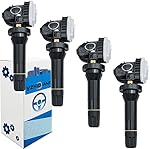


Where are TPMS Sensors Located?
TPMS sensors are typically positioned on a tire's valve stem, situated just to the inner side of the tire bead. Special precautions are necessary during tire mounting or dismounting to avoid damage to these sensors due to their location.
Nevertheless, some manufacturers utilize alternative methods to mount a wheel's TPMS sensor inside a tire. In certain Ford vehicles, TPMS sensors are attached to a metallic band encircling the central circumference of the tire's rim.
What is a TPMS Failure and What Causes It?

A TPMS sensor warning signals an issue with the tire pressure monitoring system. In contemporary vehicles, alongside the TPMS warning light on the dashboard, a TPMS sensor failure warning may display on the car's screen.
A malfunctioning TPMS sensor can result from various issues, including a loose or damaged sensor or wheel, or a TPMS with a depleted battery.
While software defects can cause TPMS sensor failures, such problems are relatively rare compared to physical damage or battery issues.
Causes of a Tire Pressure Sensor Fault

A tire pressure sensor fault can stem from various underlying issues, and having insights into these potential causes is beneficial when addressing the problem. Here are some common reasons for a TPMS fault.
Diminished Sensor Battery Charge
The loss of battery charge within a TPMS sensor is a frequent cause of a tire pressure sensor fault. Over time, the small batteries in these sensors discharge, often requiring sensor replacement.
Shop From Amazon


Damaged Sensor Assembly
Impact with a curb or incorrect tire mounting/dismounting procedures can lead to damage in a tire's TPMS sensor. In such cases, replacing the affected sensor is usually necessary.
Loss of Tire Pressure
While modern vehicles differentiate between a low tire warning and a tire pressure sensor fault, earlier models might not. In some instances, a TPMS fault may simply indicate low tire pressure, requiring diagnosis of the source of air loss in the affected tire.
Is It Safe to Drive with a Tire Pressure Sensor Fault?

A tire pressure sensor fault may arise from either overinflated or underinflated tires. Continuing to drive in such conditions endangers your safety, as well as the safety of your passengers and other cars on the road.
Low tire pressure can cause a tire blowout because underinflated tires cause sidewalls to bend, increasing friction and heat.
Excessive heat can cause a section of the tire's rubber to separate, increasing the possibility of a blowout, especially while traveling at high speeds on the highway. Similarly, a tire pressure sensor failure may signal overinflated tires, which are similarly dangerous.
How to Perform a Ford Mustang TPMS Reset
Step 1: Resetting TPMS System For 2015 and newer Mustang models, the TPMS system can be reset using a sequence of brake and start button presses.
- Start by pressing and releasing the brake pedal.
- Then, use the starter button to turn your Mustang on and off consecutively three times, totaling six button presses.
- Repeat the entire sequence once more, starting with the brake press.
- Upon successful completion of this process, the horn will honk, signaling that your Mustang is now in the appropriate mode for reprogramming the tire pressure sensors.
- Ensure that you refrain from engaging the clutch during the system reset on your Mustang to prevent unintentional engine startup.
Shop From Amazon
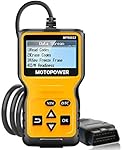


Step 2: Resetting Tire Pressure Sensors The dashboard screen will guide you to the specific tire ready for training. Proceed to that tire and retrieve the TPMS training tool.
- Direct the tool toward the base of the valve stem and press and hold the button to synchronize the tire sensor.
- A single honk of the horn indicates the completion of the training. Follow the instructions on the dashboard to identify the next tire and repeat the process until all tire sensors are successfully trained.
Step 3: Finish TPMS Sensor Training Return to the cabin. When the sensors are successfully reprogrammed, the dashboard screen will display a training completion message.
Click 'OK' to finalize the process. The TPMS is a safety feature designed to offer real-time information about your car's tire condition, aiming to prevent accidents by notifying you of any deviations from the normal tire pressure.
If a tire pressure sensor fault appears on your Ford dashboard, it signals potential issues such as underinflated tires or other reasons. It is crucial to identify the cause and reset the system until the TPMS is functioning properly again.
Tire Pressure Sensor Replacement Cost

The cost of TPMS sensor replacement can vary widely, depending on the vehicle's year, make, and model. Replacement sensors for certain vehicles are readily available and cost-effective, while others come at a higher price.
On average, the replacement and reprogramming of a single tire pressure monitoring sensor typically range between $70 and $200. However, this cost may be notably higher for luxury vehicles or those from non-domestic manufacturers.

Nick Marchenko, PhD
Industrial Engineer & Automotive Content Specialist
Nick writes in-depth guides on car clubs, engine specs, vehicle ownership, and modifications, combining engineering knowledge with automotive passion.
Full profile → LinkedIn →You May Also Like
Ford Mustang Brake Lamp Bulb Fault
2 years agoIf you have received a brake lamp bulb fault message on your Ford Mustang and you are wondering how to address it, you have come to the right place. To identify the burnt-out brake light bulb, simp...
Engine Fault Service Now Ford Mustang
2 years agoCurious about the significance of the "Engine Fault Service Now" message on your car's dashboard? It can be unsettling for most drivers to see this warning without clarity on its meaning...
Ford Mustang Shift System Fault
2 years agoHave you ever been on the road when you hear a concerning sound from your car, signaling a potential issue? While this might be a familiar experience, it is crucial to understand that such sounds o...
Ford Mustang Transmission Fault Service
2 years agoFord, a renowned automaker with a rich history, has faced significant transmission problems in some of its models, notably the Mustang and Mustang GT. These issues have garnered attention and have bec...
How To Prepare Ford Mustang For Towing
2 years agoYour Ford Mustang is a powerhouse of performance and style. It's designed not just for the sheer joy of driving but also for practical capabilities like towing. While your Ford Mustang isn't t...
Choosing and Fitting Your Ford Mustang with the Appropriate Towing Hitch
2 years agoFirst of all, it all boils down to power, performance, and flair when it comes to your Ford Mustang. What happens, though, if you need to tow a small load or a trailer? Without sacrificing its func...