Disclaimer: Not affiliated with or endorsed by Ford Motor Company. For informational purposes only. Full Disclaimer
Is Ford F-150 5.0 Coyote a Good Engine? Problems, Life Expectancy & Specs
Updated:If you're a Ford F-150 owner or planning to purchase one, you might have heard of the 5.0 Coyote engine. With its powerful performance, impressive towing capacity, and refined handling, this engine has become a popular choice for truck enthusiasts. However, like any engine, the 5.0 Coyote has its fair share of problems and concerns that owners should be aware of.
Unfortunately, there are some common issues with the 5.0 Coyote engine that can influence its life expectancy and performance. Whether you're a current owner or considering buying a Ford F-150, this information should help you make an informed decision. So, buckle up and let's take a closer look at the 5.0 Coyote engine.
Ford F-150 5.0 Coyote Engine Specs & Horsepower
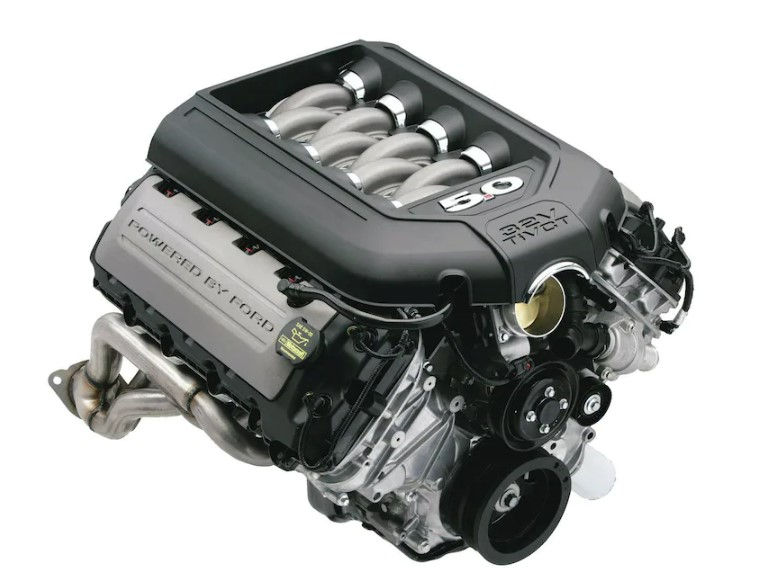
This engine is made at Ford's Essex Engine Plant in Windsor, Ontario, Canada and has been in production since 2011. The cylinder block and head are both made of aluminum, which makes this engine lighter than some of its competitors. With this engine, you can expect to get anywhere from 360 to 460 horsepower and 380 to 420 lb-ft of torque, depending on the application. It weighs in at 445 pounds and has a firing order of 1-5-4-8-6-3-7-2. The engine oil weight is SAE 5W-20, and the oil capacity ranges from 7.2 liters to 8.4 liters, depending on the year and model.
Under the hood, you'll find an eight-cylinder, naturally aspirated engine with a DOHC valvetrain layout. This means that there are four valves per cylinder, giving it a total of 32 valves. The bore size is 92.2mm for 2011-2017 models, and 93.0mm for 2018 and later models, while the stroke size is 92.7mm. The engine displacement is 4,951cc for 2011-2017 models and 5,035cc for 2018 and later models, making it a decently sized engine.
Ford F-150 5.0 Coyote Engine Specifications
|
Specification |
Details |
|
Manufacturer |
Ford's Essex Engine Plant in Windsor, Ontario, Canada |
|
Production years |
2011-present |
|
Cylinder block material |
Lightweight aluminum |
|
Cylinder head material |
High-strength aluminum |
|
Fuel type |
Gasoline |
|
Fuel system |
2011-2017: Sequential multi-port fuel injection. 2018+: Combined direct injection and port injection. |
|
Configuration |
V |
|
Number of cylinders |
8 |
|
Valves per cylinder |
4 |
|
Valvetrain layout |
DOHC |
|
Bore, mm |
92.2 mm (3.63 in) - 2011-2017; 93.0 mm (3.66 in) - 2018+ |
|
Stroke, mm |
92.7 mm (3.65 in) |
|
Displacement, cc |
4,951 cc (302.1 cu in) - 2011-2017; 5,035 cc (307 cu in) - 2018+ |
|
Type of internal combustion engine |
Four-stroke, naturally aspirated |
|
Compression Ratio |
11.0:1 - 2011-2017 Ford Mustang; 10.5:1 - 2011-2017 Ford F-150; 12.0:1 - 2018+ Ford Mustang and Ford F-150 |
|
Power, hp |
360-460 hp (268-343 kW) at 5,500-6,500 rpm |
|
Torque, lb-ft |
380-420 ft-lb (515-570 Nm) at 3,850-4,500 rpm |
|
Engine weight |
445 lbs (202 kg) |
|
Firing order |
1-5-4-8-6-3-7-2 |
|
Engine oil viscosity |
|
|
Engine oil capacity, liter |
7.2 l (7.7 qts) with oil filter - 2011-2017; 8.4 l (8.85 qts) with oil filter - 2018+ |
|
Oil change interval, mile |
10,000 (15,000 km) / 12 months |
Possible Problems with Ford 5.0 Coyote Engine
The Ford 5.0 Coyote engine is a powerful engine that has been a fan favorite since it was introduced. It is a common engine found in the 2023 Ford F-150, and like all engines, it has its fair share of issues. They should be dealt with as soon as possible to save you from expensive repairs in the future.
Connecting rod bearing failures

One of the issues with the first generation of the Ford 5.0 Coyote engine from 2011 to 2014 was connecting rod bearing failures. This issue has been resolved in engines built after 2015. If you experience symptoms like a knocking or tapping noise from the engine, engine oil pressure warning light coming on or low oil pressure, chances are, you are dealing with a faulty connection rod. The best thing you can do about it is let an experienced mechanic diagnose and fix this problem for you.
External head gasket failures

Another issue with earlier generation engines was external head gasket failures. This issue was eliminated in the third generation of Coyote engines released in 2018. That year was especially botched for F-150, so be careful. Besides the engine, these cars suffer from nasty transmission problems too.
Look out for white smoke from the exhaust pipe, overheating engine, and loss of engine power. Loss of power is among the most common complaints of Ford F-150 owners, so make a mental note.
Before you try to diagnose the issue, wait for the engine to cool down. Then you can seal it if you have the necessary skills and knowledge, but it is still best to take the car to a certified specialist.
Mass airflow sensor and throttle body failures

Mass airflow sensor and throttle body failures can cause rough idling, misfires, and stalling. These issues are easy to fix with a mass airflow cleaner and cleaning the throttle valve.
Don’t try to fix it, rely on professional help. This can get messy if you don’t have enough experience.
Shop From Amazon


Spark plug and ignition coil failures

Spark plugs problems are not exclusive to the Ford 5.0 Coyote, it is very common among powerful engines. Among the symptoms, you may notice rough idling, misfires and loss of power. This issue does not take long to fix. Just replace the old spark plugs or coils according to the specs and move on.
Shop From Amazon


Oil Consumption
Excessive oil consumption is a known issue with the 5-liter engine that Ford initially deemed normal but later backtracked on. If you notice that your vehicle is consuming an excessive amount of oil, it is important to take it to a mechanic to determine the cause of the issue.
Shop From Amazon


Ford F-150 5.0 Coyote Engine Life Expectancy
While there's no definitive answer, many owners report getting over 200,000 miles out of their Coyote engines, and some have even surpassed 300,000 miles. With proper care and maintenance, this engine has a reputation for being a durable and long-lasting powertrain. But when it comes to the longevity of the 5.0 Coyote engine, there are a few things that can shorten or lengthen its life expectancy.
And the most important factor is maintenance. As with any engine, proper maintenance is key to keeping it running smoothly for as long as possible. This includes regular oil changes, using high-quality oil and filters, and keeping up with recommended maintenance schedules. Neglecting maintenance can lead to premature engine wear and potentially shorten its lifespan.
Shop From Amazon


Shop From Amazon

What Ford Models Use the Ford 5.0 Coyote?
Ford 5.0 Coyote engine has been a staple of the Ford performance lineup since it was first introduced in the 2011 Mustang GT. It's a high-output engine that provides excellent power and acceleration, making it a popular choice for performance enthusiasts.
|
Year Range |
Make |
Model |
|
2011-2023 |
Ford |
F-150 |
|
2011-2022 |
Ford |
|
|
2014-2022 |
Ford |
Mustang GT |
|
2013-2014 |
Ford |
Shelby GT500 |
|
2020-2022 |
Ford |
Is Ford F-150 5.0 Coyote a Reliable Engine?
In my opinion, the answer is yes. While there are a few common issues to be aware of, overall, this engine has proven to be durable, efficient, and powerful. Plus, with regular maintenance and care, you can help ensure that your engine stays in top shape for years to come.
If you're considering a Ford F-150 with the 5.0 Coyote engine, don't let the common issues scare you away. With its impressive power and efficiency, this engine is a great choice for anyone in the market for a reliable pickup truck. Just be sure to stay on top of maintenance and address any issues promptly, and you'll enjoy many years of trouble-free driving.
FAQ
How much horsepower does a 5.0 Coyote F-150 have?
Brace yourselves, folks, because this engine packs a mighty punch of 360 horsepower at 5,500 RPM. Yes, you got that right.
Shop From Amazon


Which is better LS or Coyote?
Well, if you're looking for an engine with more moving parts that can handle those blindingly high RPMs, then the Coyote is your go-to. However, if you prefer a smaller, simpler engine with fewer moving parts overall, then the GM LS engine may be more up your alley.
What makes 5.0 Coyote special?
This engine features a unique Ti-VCT (Twin Independent Variable Cam Timing) system that enables it to achieve high performance and fuel efficiency simultaneously.
But that's not all. The 5.0 Coyote also boasts a strong and durable aluminum block, forged steel crankshaft, and robust connecting rods and pistons, making it a powerhouse under the hood. And let's not forget its impressive power output of 360 horsepower and 410 lb-ft of torque.

Nick Marchenko, PhD
Industrial Engineer & Automotive Content Specialist
Nick writes in-depth guides on car clubs, engine specs, vehicle ownership, and modifications, combining engineering knowledge with automotive passion.
Full profile → LinkedIn →You May Also Like
Here Are The 5 Ford F-150 Years to Avoid
2 years agoAre you considering purchasing a Ford F-150? While this vehicle is known for its power and durability, there are some years you may want to avoid. From electrical system issues to power...
Ford F-150 Ecoboost Engine: Problems, Longevity, And Specs
3 years agoIf you're in the market for a pickup truck, chances are you've heard about the Ford F-150. It's a tried-and-true workhorse that has been a favorite among American truck enthusiasts for...
How to Connect Android Auto to Ford F-150
3 years agoInstalling Android Auto on a Ford F-150 and connecting to it is a really simple process. However, there are some possible complications you can run into along the way. Just follow the easy steps outli...
How to Use Ford Tow/Haul Mode?
2 years agoAs an experienced driver and a proud owner of a Ford F-150, I've had my fair share of road adventures. One of the most challenging situations I've faced was when I had to tow a heavy load acro...
Tips How to Detail Exterior & Interior of Ford F-150
2 years agoEven if you manage to keep your Ford F-150 clean by storing it in a clean place, you can still witness dirt or dust appearing on it. If you drive your vehicle in the rain or through muddy terrain or s...
How to Get Rid Of Bad Smell in Ford F-150? Tips for Removing Car Odors
2 years agoAfter some point, you may smell that distasteful odors inside Ford F-150. If you treat your vehicle with love and take care of its interior, you can still face smells. Additionally, the more com...