Disclaimer: Not affiliated with or endorsed by Ford Motor Company. For informational purposes only. Full Disclaimer
How To Prepare Ford F-150 for Winter?
Updated:
As the chill of winter makes its presence felt, we swap out our light, airy outfits for layers of snug, heavy garb to fend off the icy grasp of the cold. Ford F-150 owners know this seasonal switch also calls for preparing their trusty steed for the harsh winter months, readying it (and themselves) to tackle any frosty trials head-on.
The task of winter-proofing a Ford F-150 is by no means rocket science, but it does require a degree of tenacity and forbearance.
It's a well-known fact that it's better to winterize your vehicle sooner rather than later, sparing you the torment of dealing with an unexpected issue without the necessary kit or know-how.
Ford F-150 Pre-Winter Checklist
Winter, as we all know, can toss a curveball when we least expect it. Snow-cloaked roads and glacial temperatures necessitate a cautious driving approach - the Ford F-150 needs to be thoroughly kitted out to face any winter trials head-on.
Tires

Much as we need robust boots for navigating the snowy landscape, vehicles call for sturdy winter "tires" to maintain decent traction on frost-kissed roads. It's sage advice to switch from summer tires to winter ones when the mercury dips below about +7 Celsius (+44 Fahrenheit).
Take a moment to scrutinise your winter tires' tread depth, rubber condition, and air pressure to ensure they're ready for the challenge ahead. Keep an eye on tire pressure more frequently in the winter, as tires have a tendency to lose air faster when Jack Frost comes to town. Remember, every 10-degree drop corresponds to a 1 PSI decrease.
Shop From Amazon


It's prudent to swap your Ford F-150's tires ahead of the crowds. You wouldn't want to find yourself stuck in a queue longer than the Nile, now would you? Not to mention, it'll save you a good deal of time and grey hairs.
Brakes
While maintaining a decent pace and traction in winter is all well and good, it's equally important to ensure your stopping power is up to scratch. Check your Ford F-150 brake pads and rotors to ensure they're in fine fettle and ready to deliver optimum braking performance on those icy roads.
Shop From Amazon


Battery
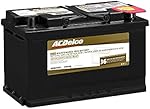
Sub-zero winter temperatures can wreak havoc on the charge of your Ford F-150's battery. If the mercury takes a nosedive to say, -30 degrees, your battery's usual power can plunge by 30% or more. That's like making a full English breakfast with only half the ingredients.
This depleted energy might leave your F-150 grunting and groaning like an old man getting out of bed on a Monday. If you're one of those people who only takes your Ford F-150 out for a spin less frequently, let's say once every two days, you might come out one morning to find your battery as flat as a pancake. In this rather inconvenient scenario, you'll either need the assistance of a good Samaritan or have to lug the battery back home for a recharge.
Shop From Amazon


Oils
Before winter rolls in, it's crucial to swap out the oil in your Ford F-150 and replace the oil filter. Much like a good massage oil keeps our joints nimble, engine oil lubricates the metal innards of your car, keeping everything running as smooth as a well-oiled...well, engine. The oil's viscosity - think of it as its "thickness" - has a significant role in how well your engine functions.
If the oil is thicker than a winter coat, it's going to move slower than a sloth on a Sunday, which might cause your engine to overheat. And we all know an overheated engine is as useful as a chocolate teapot.
Shop From Amazon


During winter, as temperatures descend faster than a parachutist with a lead weight, the oil thickens. This problem, however, can be sidestepped quite easily by using oil with a lower viscosity (low viscosity index oil) tailor-made for chilly conditions.
Coolant
As winter puts down its icy roots, it's time to trade in your regular coolant for a winter-friendly antifreeze solution. Antifreeze does more than just protect your Ford F-150's engine in the cold; it also prevents the inner workings of your engine from rusting like an old shipwreck.
Shop From Amazon


Keeping an eye on your antifreeze level is crucial. Think Goldilocks here; a 50:50 ratio is just right and keeps the fluid from turning into a block of ice even in conditions that'd make a polar bear shiver (-40 degrees).
If you're a bit stingy on the antifreeze, the coolant could freeze, potentially leading to an overheated engine and putting you in the market for a new gasket or two. And that's a shopping trip nobody enjoys.

Consumables
Your Ford F-150's spark plugs, wires, cables, belts, and hoses are like the chorus in a song, they're always there, but often overlooked. They all deserve a meticulous once-over before you dare to tread onto frosty roads. Don't be shy, pop that bonnet and play detective. If you spot an issue, it's like being handed a map before you embark on a journey.
Shop From Amazon


It's always better to nip potential problems in the bud now rather than having them surprise you like a jack-in-the-box on a snow-laden road. That's a surprise no one wants.
Fuel Level
Operating on fumes can be as damaging to your Ford F-150 as a diet of junk food can be to your waistline, regardless of the season. There's always the looming risk of finding yourself stranded with the fuel gauge mocking you from the empty side of things. The stakes are considerably higher during winter's icy grasp.
The cold temperature and its mood swings can cause condensation to form on the walls of a half-empty tank. The resulting moisture can quickly become a party crasher, diluting the fuel.

Water, being denser than petrol or diesel, will settle at the bottom of the tank like a bad houseguest, creating a potential nightmare: if water makes its way into the fuel line, it can freeze, blocking the lifeblood of your engine and throwing a spanner into your plans. Fixing such a hiccup can burn a hole in your pocket.
So, even if fuel prices occasionally climb faster than an ambitious mountain goat, keeping your tank topped up is a wise move for the health of your Ford F-150 and your wallet in the long run.
Wiper Blades and Washer Fluid
Winter can be as generous with its harsh weather as a wealthy uncle is with unwanted advice, causing visibility issues that can easily spiral into severe hazards. So, it's vital to ensure your Ford F-150 wipers are as fit as a flea.
Picture this: it's a dark winter night, and out of nowhere a flurry of snow and rain starts bashing your windshield. You turn to your trusty wipers for help, but instead of providing clarity, they seem to have taken up a new hobby - abstract art on your windshield, thanks to their deteriorating rubber blades.
Shop From Amazon


Wiper blades are made of rubber, and like an old rubber band, they can become brittle and less effective over time. As a rule of thumb, swap out your wiper blades every 6-12 months.
While you're at it, give a thought to your Ford F-150's windshield washer fluid level - it's a key ally in your battle against snow and ice on the windshield. Make sure to exchange the regular fluid for a winter-grade solution. You can pick these up at any petrol station.
Emergency Kit
The only predictable thing about road trips, especially in winter, is their unpredictability. But you can give unpredictability a run for its money.
The most effective way to do so? Keep a specialized emergency kit tucked away in your Ford F-150. Your kit should include:
- Jumper cables;
- First aid kit;
- Window scraper and brush;
- Compact shovel;
- Warm clothes;
- Compact flashlight with batteries;
- Extra coolant or antifreeze;
- Car door lock defroster;
- Silicone grease for seals;
Shop From Amazon


The Final Word
As we've established, getting your car winter-ready is as complex as assembling flat-pack furniture. Yes, it will steal some of your time and might demand a few extras in your trunk, but wouldn't you rather be prepared for all that winter throws your way than end up stranded, colder than a snowman's nose, and without a solution in sight?

Nick Marchenko, PhD
Industrial Engineer & Automotive Content Specialist
Nick writes in-depth guides on car clubs, engine specs, vehicle ownership, and modifications, combining engineering knowledge with automotive passion.
Full profile → LinkedIn →You May Also Like
How To Maintain Leather Seats in Ford F-150?
3 years agoLeather seats, ah, the creme de la creme of any vehicle's interior! These luxurious surfaces bring a touch of elegance and the lap-of-luxury vibe to your Ford F-150. Whether the factory packed it...
How to Get Rid Of Bad Smell in Ford F-150? Tips for Removing Car Odors
3 years agoAfter some point, you may smell that distasteful odors inside Ford F-150. If you treat your vehicle with love and take care of its interior, you can still face smells. Additionally, the more com...
Tips How to Detail Exterior & Interior of Ford F-150
3 years agoEven if you manage to keep your Ford F-150 clean by storing it in a clean place, you can still witness dirt or dust appearing on it. If you drive your vehicle in the rain or through muddy terrain or s...
How Many Quarts Does a 2018 F-150 5.0 Take?
3 years agoA morning drive in the heart of Nairobi, the rush of adrenaline as you navigate through the busy streets in your 2018 F-150 5.0, nothing quite matches the thrill. The F-150's robust and versatile...
How Many Gallons of Coolant Does a 2010 Ford F-150 5.4 Need?
3 years agoWhen it comes to maintaining the health and performance of your vehicle, it's vital to ensure that you're taking proper care of its cooling system. Today, I'll walk you through a key aspec...
How To Clean Your Ford F-150 Headlights?
3 years agoOver the course of its rugged life, the headlights of your Ford F-150 could gradually adopt the complexion of an old sea dog: cloudy, losing their initial spark. Sundry factors come together to cau...