Disclaimer: Not affiliated with or endorsed by Ford Motor Company. For informational purposes only. Full Disclaimer
How To Prepare Ford F-150 For Towing
Updated:
Your Ford F-150 is a powerhouse of capability, designed for more than just shuttling passengers or running errands. It's built to pull with purpose, whether you're towing a hefty trailer or rescuing another vehicle.
Towing might seem straightforward, but it puts significant demand on your Ford F-150 and requires responsible handling. Hence, preparing your F-150 for towing by fitting the right gear and ensuring its peak condition is critical for your comfort and the safety of all on the road.
Before you embark on towing, let’s walk through the essentials to ensure your Ford F-150 is up to the task.
Key Takeaways
- The Ford F-150's towing prowess is influenced by engine size, transmission type, chassis weight, drivetrain layout, and the vehicle's overall design and construction.
- Thorough preparation of your Ford F-150 and the towed load is crucial, which includes inspections and tuning of the towing gear, visibility, brakes, engine status, fuel, and having emergency kits at hand.
- Adhering to specific guidelines is vital depending on the load, such as verifying that the weight is within your F-150’s capacity and choosing the correct towing method.
- Extra care is necessary when towing vehicles with different transmission types, particularly automatic ones, which may need a dolly or a flatbed to avoid transmission damage.
Understanding Towing with Your Ford F-150
Towing involves pulling another object, typically trailers or other vehicles, using a robust vehicle like the Ford F-150.
For towing, a hitch or coupling device connects your Ford F-150 to the item in tow.
What Weight Can a Ford F-150 Tow?

Each model year of the Ford F-150 is engineered to tow, but their capacity varies based on several factors:
Engine Power
The towing capacity of a Ford F-150 is linked to its engine's horsepower and torque. More power means more torque for handling bigger loads.
Transmission Type
The Ford F-150's manual or automatic transmission type can affect towing capacity, with automatics often providing superior towing features due to their torque converter design.
Size and Weight
Larger, heavier F-150 models generally boast more towing capacity. The strength of a solid body-on-frame structure is ideal for towing.
Drivetrain
The type of drivetrain, be it FWD, RWD, or AWD, affects towing capacity. AWD and RWD are preferable for their power distribution.
Vehicle Structure
The robust frame, suspension, and brakes of the Ford F-150 are crucial in determining its towing capacity.
Preparing Your Ford F-150 for Towing
Just as an athlete preps for a race, your Ford F-150 requires similar readiness for towing tasks.
While the principles of safe towing are universal, specific considerations vary based on what you're hauling—be it a trailer or another vehicle. Paying attention to these nuances ensures a smooth and safe towing experience.
Towing a Trailer with a Ford F-150
Towing a trailer with a Ford F-150 requires careful consideration of several key factors to ensure a safe and secure journey.
Understanding Your Ford F-150's Capabilities

Every model and trim of the Ford F-150 has its own set of towing limits, defined by maximum towing capacities. These are determined by factors like engine strength, chassis integrity, and suspension design. Ford establishes these parameters for good reason.
Surpassing these limits can lead to:
- Component damage or failure in the Ford F-150;
- Compromised control and stability;
- Inadequate braking power;
- Potential accidents and hazards.
Prior to towing, calculate the total weight your trailer will carry and ensure it's within the capabilities of your F-150. The towing capacity for your vehicle can be found here.
Ensuring Your Towing Gear is Up to Par
Your F-150 must be properly outfitted to tow trailers. Here's a checklist:
- Towing Hitch – A robust attachment point at the rear of your F-150 for secure trailer connection.
- Trailer Brake Controller – A device within the cabin allowing the driver to manage the trailer's brakes, enhancing safety and control.
- Towing Chain – A safety requirement to ensure the trailer remains attached to your F-150.
All towing equipment should be in prime condition, free of wear or damage.
Shop From Amazon


Visibility Check: Mirrors and Beyond
Visibility behind your F-150 is crucial. Ensure your mirrors are correctly adjusted and consider specialized towing mirrors for a wider view.
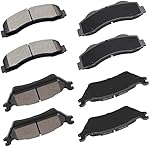
Inspecting Brakes

Brakes are vital, especially under the extra load of towing. Service them by checking:
- Pad condition;
- Rotor and/or drum integrity;
- Brake fluid levels.
Shop From Amazon
![AKKON - For [Chrome] 2015 2016 2017 2018 F150 F-150 LED 3rd Third Brake Light Cargo Lamp High Mount Brake Light](https://m.media-amazon.com/images/I/41ijJQqG7AL._AC_UL150_.jpg)
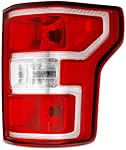
Headlight and Taillight Inspection
Ensure your headlights and taillights are functioning perfectly for optimal visibility and safety.
Shop From Amazon
![VLAND Full LED Upgraded Headlights for [Ford F150 13th Gen Pickup 2018 2019 2020 (NOT for Raptor) ] with DRLs Head Lamp Assembly YAA-F150-2042A, Black](https://m.media-amazon.com/images/I/516eGFddc5L._AC_UL150_.jpg)


Shop From Amazon


Engine and Suspension Check
Towing demands peak performance from your F-150's engine. Check for smooth operation and service as necessary, including oil changes and coolant levels. Inspect the suspension for wear – it's critical for safe towing.
Inspect the Gearbox of Your Ford F-150
When towing, the gearbox of your F-150 works harder, heats up faster, and can wear out prematurely if not properly cared for. Always tow within the recommended weight limits and check the gearbox lubricant condition, changing it if necessary.
Anticipate Higher Fuel Usage
Increased load from towing will raise your F-150's fuel consumption. Expect a 10-20% increase in fuel usage. Fill up the tank accordingly, plan refueling stops, and carry extra fuel if needed.
Carry a Comprehensive Toolkit
A toolkit in your F-150 is essential for tackling unexpected issues. Include wrenches, pliers, screwdrivers, and any tools specific to your towing setup.
Shop From Amazon


Mandatory First Aid Kit
A first aid kit is a non-negotiable part of your F-150’s towing prep. Make sure it’s stocked with bandages, antiseptics, and pain relief medications.
Shop From Amazon


Secure Your Cargo Properly
Secure all cargo on a carriage or open platform with straps or cables to prevent shifting or slipping, ensuring safe transportation.
Use correct loading techniques for stability when towing with your F-150.
Inspect the Trailer's Technical Condition
Half of towing safety depends on the trailer’s condition.
Ensure the trailer is ready for the road by checking:
- Trailer Brakes: Opt for trailers with their own braking system to support your F-150's braking efforts.
Test that the brakes are working correctly, whether they’re connected to the car’s brake line or electronically controlled.
- Trailer Suspension: Inspect the trailer suspension for signs of wear, damage, or rust. Verify that all components are secured and aligned.
A well-maintained suspension aids stability and handling.
- Trailer Lights: Ensure all lights are functioning and visible, as they’re critical for safety and legally required.
Check for working brake lights, turn signals, taillights, and markers, and maintain all electrical connections.
- Trailer Hitch: Inspect the hitch’s condition and its attachment to your F-150. Ensure there’s no wear, corrosion, or loose components.
Regularly lubricate moving parts to reduce wear.
Towing a Vehicle with Your Ford F-150

When preparing to tow a vehicle with your Ford F-150, adhere to general towing guidelines, but also consider the specifics of vehicle transportation for your safety and others’.
It's crucial that the vehicle you're towing doesn't exceed your F-150's towing capacity. Check your owner's manual to find this information. Overloading can impact braking, steering, engine performance, and transmission health.
Factor in the weight, size, and cargo of both your F-150 and the vehicle you're towing. Remember, passenger weight counts too.
Selecting a Towing Method
There are three common ways to tow a vehicle:
- Using a tow strap;
- Using a tow bar;
- Using a trailer;
Towing with a Tow Strap

A car towed by a tow strap must have operational brakes, and a person must be in the driver’s seat to manage braking and steering. The towed car cannot brake independently, so it's critical to have someone controlling it.
Towing with a Tow Bar
When using a tow bar, the towed vehicle is directly attached to your F-150, following the same path. No driver is needed in the towed vehicle, but your F-150's braking system will be handling the stopping power for both vehicles.
Towing with a Trailer
The towed vehicle is secured on a trailer attached to your F-150. Remember to add the weight of both the towed vehicle and the trailer when considering the maximum towing capacity.
Transmission Type of the Towed Vehicle
Determine the transmission type of the vehicle you're towing. For manual transmissions, the gear should be in neutral. For automatic transmissions, use a carriage or tow dolly.
The tow dolly lifts the driving wheels off the ground, suitable for vehicles under 3450 lbs. Avoid using a tow dolly with four-wheel drive vehicles, and never allow the driving wheels of an automatic transmission vehicle to rotate while towing, as this could damage the gearbox.
If you can't use a trailer and need to tow an automatic vehicle, consider disconnecting the driveshaft to prevent the transmission from engaging.
Essential Towing Accessories for Your Ford F-150
We have already described all the necessary points to remember when towing. You are ready. However, if you want to prepare your car for towing further and extend its service life, we recommend installing the following modifications.
Weight-Distributing Hitch
A weight-distributing hitch is crucial for balancing the load between your Ford F-150 and the trailer, preventing undue stress on the rear axle, which could affect handling and stability.
It's particularly valuable for heavy or large trailers, promoting a balanced and stable tow. It's a game-changer for towing safety and comfort.
Towing Mirrors
Extended mirrors expand your field of vision, crucial when the trailer blocks your rearview. They're essential for traffic awareness and maneuvering safely.
Suspension Air Bags
Suspension air bags enhance your F-150's load-carrying capabilities, providing additional support and maintaining alignment and comfort while towing.
Transmission Cooler
A transmission cooler is vital for managing the heat in your F-150's transmission, especially when towing heavy loads. It preserves transmission life and ensures smooth operation.
Backup Cameras

Rearview cameras are a boon for towing, aiding in navigation and reverse maneuvers while reducing blind spots.
Roof Racks
Roof racks extend your F-150's carrying capacity for extra gear without cramping the cabin, ideal for outdoor enthusiasts.
Shop From Amazon


Final Thoughts on Towing with Your Ford F-150
Proper preparation is key to a seamless towing experience. Ensure your F-150 and trailer are in top condition, consider load limits, and equip yourself with the right accessories for a safe trip.
With the right setup, your Ford F-150 is not just a towing vehicle, but a reliable companion for all your hauling needs and adventures.

Nick Marchenko, PhD
Industrial Engineer & Automotive Content Specialist
Nick writes in-depth guides on car clubs, engine specs, vehicle ownership, and modifications, combining engineering knowledge with automotive passion.
Full profile → LinkedIn →You May Also Like
How To Choose the Best Light Bulbs For Ford F-150? Complete Guide
2 years agoAutomotive light bulbs within the Ford F-150's headlights illuminate the road ahead at any time of day or weather, serving a vital role in safety. As with all things, these bulbs have a lifespa...
How To Sell Your Junk Ford F-150?
2 years agoWith proper care, the Ford F-150 will serve you loyally for countless miles. However, it's crucial to recognize that despite diligent maintenance, every truck has its limits. As the years roll...
How To Change the Coolant in Ford F-150?
2 years agoFor all you Ford F-150 owners out there, keeping up with your truck's maintenance is key to ensuring that it keeps hauling, towing, and getting you through the toughest of days without breaking a...
How To Tint Windows of the Ford F-150?
2 years agoFord F-150 window tinting isn't just a trick to make your truck look sharper – it's a smart move with a load of benefits. First off, it keeps your F-150 cooler on those blistering days b...
How to Change Your Ford F150 Brake Pads and Rotors?
2 years agoKeeping your Ford F-150's braking system maintained is essential for safety, and you can avoid paying for expensive expert repairs by learning how to replace the brake pads and rotors. Brake pa...
The Ultimate Guide to Choosing the Right Coolant for Your Ford F150
2 years agoFirst things first, using the right oil and fluid for your Ford F150 is critical. If you don't, you might end up with issues like: Warranty void due to component damage Longer engine crank...