Disclaimer: Not affiliated with or endorsed by Ford Motor Company. For informational purposes only. Full Disclaimer
How To Prepare Ford Explorer for Winter?
Updated:
As the chill of winter begins to grip the atmosphere, our attire changes from light and easy-going to thick and warm, providing much needed protection against the freezing temperatures. Just as we adjust, so too must the Ford Explorer owners, ensuring their vehicle is well-equipped to handle the harsh realities of the winter months.
The process of winter-proofing a Ford Explorer is not overly complicated, but it does require a committed mindset and attention to detail.
It's always advantageous to winterize your vehicle proactively, rather than dealing with unexpected problems without the necessary tools or knowledge.
Ford Explorer Pre-Winter Checklist
The winter season can be erratic and potentially hazardous. Icy, snow-laden roads and plummeting temperatures demand that drivers exercise extra caution. The Ford Explorer must be similarly equipped and prepared to face any winter-related challenges with confidence.
Tires

Much like we need the right footwear to traverse snowy terrains, your Ford Explorer needs winter-appropriate "tires" to maintain secure traction on snowy surfaces. When the temperature dips to around +7 Celsius (+44 Fahrenheit), it's wise to switch from your summer tires to winter ones.
Before putting them to work, check your winter tires' tread depth, the condition of the rubber, and air pressure to ensure they're ready for the job. Remember, in winter, you'll need to check tire pressure more often as tires tend to lose air faster in cold temperatures. As a rule of thumb: every 10-degree drop equates to a 1 PSI decrease.
Shop From Amazon


Always make it a priority to change your Ford Explorer tires in a timely manner. The last thing you need is to be caught in a long queue waiting for a tire change when the first snowfall hits. It's a simple way to save time and stress.
Brakes
Besides ensuring good winter traction and acceleration, the condition of your brakes is pivotal, especially on icy and slippery surfaces. Inspect your Ford Explorer brake pads and rotors to ensure they're in good shape and ready to provide optimal braking performance.
Shop From Amazon


Battery

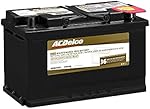
Intense winter cold can notably affect the performance of your Ford Explorer's battery. At extreme colds, say -30 degrees, the battery's usual energy capacity could be reduced by 30% or more.
Such a power level might not be enough to start your Explorer. During winter, if your Ford Explorer isn't frequently used - perhaps less than every two days - you may discover your battery has effectively run down. In such situations, you may need to either seek aid or take the battery home for charging.
Shop From Amazon


Oils
Before the frost sets in, it's essential to replace the Ford Explorer's oil and oil filter. The oil serves the critical role of lubricating the engine's metal components, providing a shield against damage. The oil's viscosity - or its thickness - significantly influences the engine's operation.
If the oil is overly viscous, it will circulate the parts at a slower rate, potentially leading to engine overheating.
Shop From Amazon


During winter, with dropping temperatures, the oil naturally thickens. However, this can be efficiently handled by using an oil with a lower viscosity (low viscosity index oil) specifically designed for winter conditions.
Coolant
As winter approaches, it's necessary to substitute your regular coolant for an antifreeze solution. This antifreeze does more than just protect your Ford Explorer's engine in frosty weather; it also slows down the corrosion of parts.
Shop From Amazon


Keeping a proper level of antifreeze is crucial. A 50:50 ratio is optimal and prevents the fluid from freezing, even in severely cold conditions (down to -40 degrees).
If the level of antifreeze is inadequate, the coolant could freeze, potentially leading to engine overheating and the need to replace one or more gaskets.

Consumables
Before you dare the winter roads, spark plugs, wires, cables, belts, and hoses all need a detailed check-up. Don't hesitate to pop the hood and scrutinize everything thoroughly. Identifying an issue now allows you to find a solution before it escalates.
Shop From Amazon


Preemptively addressing potential concerns is always more desirable than confronting them unexpectedly on a snow-blanketed road.
Fuel Level
Operating on low fuel can be harmful to your Ford Explorer at any time of the year, as the risk of becoming stranded without an opportunity to fill up is real. Driving with a nearly empty tank during winter raises the risk exponentially.
The frigid temperature and its constant fluctuations can lead to condensation forming on the walls of a half-empty tank, which can swiftly result in water contaminating the fuel.

Since water is denser than gasoline or diesel, it settles at the bottom, leading to a major issue: if water makes its way into the fuel line, it can freeze, hindering the fuel supply to the engine and derailing your plans. Fixing such a problem can be exceptionally expensive.
Therefore, despite occasional upticks in fuel prices, maintaining a consistently full tank will safeguard your vehicle and save you money over time.
Wiper Blades and Washer Fluid
In harsh winter weather, poor visibility can pose serious hazards, so it's crucial that your Ford Explorer wipers are in peak condition.
Imagine navigating a road at night when a sudden flurry of snow and rain hits your windshield. You engage the wipers to enhance visibility, but instead of clearing the view, they merely smear the windshield with their deteriorating rubber blades.
Shop From Amazon


Given that wiper blades are made of rubber, they can become brittle and wear out over time. It's recommended to replace your wiper blades every 6-12 months.
Additionally, don't neglect the Ford Explorer windshield washer fluid level - it's crucial in removing snow and ice from your windshield. Remember to swap out the regular fluid for a winter-grade solution. These are available at any gas station.
Emergency Kit
Unpredictability is the only constant on the road, especially in winter. However, you can be prepared for most contingencies.
One of the best steps you can take is keeping a specialized emergency kit in your Ford Explorer. Ensure your kit includes the following items:
- Jumper cables;
- First aid kit;
- Window scraper and brush;
- Compact shovel;
- Warm clothes;
- Compact flashlight with batteries;
- Extra coolant or antifreeze;
- Car door lock defroster;
- Silicone grease for seals;
Shop From Amazon


Wrapping Up
As we've seen, preparing a car for winter isn't an overly complex task. Yes, it demands a bit of your time and some essentials in your trunk, but it's far better to be equipped for every conceivable winter scenario than to find yourself stranded without any solutions.

Nick Marchenko, PhD
Industrial Engineer & Automotive Content Specialist
Nick writes in-depth guides on car clubs, engine specs, vehicle ownership, and modifications, combining engineering knowledge with automotive passion.
Full profile → LinkedIn →You May Also Like
How To Maintain Leather Seats in Ford Explorer?
3 years agoThe allure and superior comfort of a vehicle is often signified by leather seats. Whether your Ford Explorer was fitted with leather seats from the get-go, or you opted to switch out the cloth ones, i...
How to Get Rid Of Bad Smell in Ford Explorer? Tips for Removing Car Odors
3 years agoAfter some point, you may smell that distasteful odors inside Ford Explorer. If you treat your vehicle with love and take care of its interior, you can still face smells. Additionally, the more...
Tips How to Detail Exterior & Interior of Ford Explorer
3 years agoEven if you manage to keep your Ford Explorer clean by storing it in a clean place, you can still witness dirt or dust appearing on it. If you drive your vehicle in the rain or through muddy terrain o...
What is the 2018 Ford Explorer Coolant Capacity?
3 years agoAs a car enthusiast and a curious mind, I am constantly digging into the nitty-gritty details of various car models. One model that recently piqued my interest is the 2018 Ford Explorer, a reliable an...
How To Clean Your Ford Explorer's Headlights?
3 years agoWith continued use, the headlights of your Ford Explorer inevitably start to cloud over and lose their original shine and transparency. This can be attributed to a variety of factors including prol...
How To Clean Your Ford Explorer’s Engine
2 years agoThe engine of the Ford Explorer is the mechanical heartbeat dictating acceleration, speed, and the driving experience. Preserving the engine's health through consistent maintenance is the key to i...