Disclaimer: Not affiliated with or endorsed by Ford Motor Company. For informational purposes only. Full Disclaimer
How To Prepare Ford Explorer For Towing
Updated:
Marvel at the capabilities of your Ford Explorer. It’s an engineering marvel designed to traverse vast stretches of road, transport your kin, and ferry goods from the marketplace to your abode. But that’s not the end of its talents. Your Ford Explorer is adept at towing, be it a hefty trailer or a fellow vehicle in distress.
While towing might appear a straightforward task, it's a Herculean demand on the Ford Explorer and a serious undertaking for the driver.
Thus, pre-tow preparations are crucial. Suit up your Explorer with the necessary gear and ensure its prime condition, for your ease and the welfare of all road travelers hinge on this.
Key Takeaways
- The Ford Explorer’s towing prowess is influenced by a medley of factors, such as engine size, transmission type, vehicular heft, drivetrain, and the integrity of its architecture.
- Meticulous prep of the Ford Explorer and the towed entity is pivotal, involving thorough equipment checks, visibility enhancements, braking systems, engine health, fuel status, and the stowing of emergency kits.
- Adherence to specific towing guidelines is paramount, ensuring the load aligns with the Explorer’s capacity and selecting the fitting towing technique.
- When towing vehicles with diverse transmissions, special attention is required — for automatic transmissions, the use of a carriage or tow dolly is recommended to avert transmission damage.
What exactly is towing?
Towing is the process of dragging or hauling a secondary object, such as trailers, boats, or other vehicles, behind a Ford Explorer.
To initiate the towing sequence, one must link the Ford Explorer to the trailer via a hitch or coupling mechanism.
Is there a towing limit for a Ford Explorer?

Each model year of the Ford Explorer is engineered with towing in mind, differing only in the magnitude of load it can endure and transport securely.
The towing capability of a Ford Explorer is contingent upon several variables, for instance:
Engine Capacity
The Ford Explorer’s towing capacity is a testament to its engine power and torque. A robust engine equates to more torque, enabling the hauling of heftier loads.
Transmission Type
The choice of transmission, be it manual or automatic, sways the towing capacity of a Ford Explorer. Automatic transmissions often boast superior towing attributes due to their torque converter designs.
Size and Weight
Larger, more substantial Explorer variants inherently possess greater towing capabilities. The strength of a body-on-frame structure is unmatched for heavy-duty towing.
Drive Type
The drive type of the Ford Explorer, whether FWD, RWD, or AWD, affects towing capacity. AWD and RWD configurations, with their advantageous power distribution, excel in towing duties.
Structure and Design
A Ford Explorer’s robust frame, suspension, and brakes are pivotal in towing. Those with reinforced suspension and brakes are better equipped to handle the stresses of towing.
Preparing your Ford Explorer for the towing journey
Like an intrepid explorer gearing up for an odyssey, your Ford Explorer requires thorough preparation before it embarks on a towing venture.
Safe towing commandments are universal, yet they differ based on your cargo, be it a simple trailer or another automobile. Mind the nuances to ensure a smooth and secure journey.
Towing a trailer with a Ford Explorer
Towing a trailer with a Ford Explorer is an exercise in capability and endurance. It requires a clear understanding of the vehicle's strengths and limits to ensure safe and efficient operation.
Know your Ford Explorer's limitations
Each Ford Explorer model year or trim has a specified maximum towing capacity. This is influenced by engine power, chassis robustness, and suspension design. Ford sets these limits for your safety and the vehicle's longevity.

Ignoring these limits can lead to:
- Component damage or failure in the Ford Explorer;
- Compromised control and stability;
- Inadequate braking power;
- Potential accidents and injuries.
Always compare your trailer's total weight, with all cargo included, to the towing capacity of your Ford Explorer. You can find your vehicle's towing capacity here.
Check that your towing equipment is operational
Your Ford Explorer must be properly equipped to tow. Essential towing equipment includes:
- Towing Hitch. The sturdy connection at the rear of the vehicle for attaching the trailer.
- Trailer Brake Controller. A device allowing the driver to control the trailer's brakes from the cabin, enhancing towing safety and maneuverability.
- Towing chain. This secures the connection between the vehicle and the trailer.
Ensure all towing equipment is in excellent condition and free from excessive wear.
Shop From Amazon


Check mirrors
Visibility is paramount. Your mirrors should provide a clear view of the trailer and the road behind. Consider special towing mirrors for a better view.
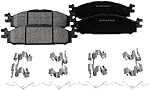
Inspect brakes

Brakes are critical, especially when towing. They must be capable of stopping the additional weight. Check the pads, rotors/drums, and brake fluid condition before setting off.
Shop From Amazon

Check the condition of the headlights
Good lighting is crucial. Ensure your headlights are bright and provide ample visibility for all conditions.
Shop From Amazon


Check the condition of the tail lights
Being visible to other drivers is just as important as seeing them. Make sure your parking lights, brake lights, and indicators are functioning properly.
Shop From Amazon


Check the overall condition of the engine
The engine will be under more stress when towing. Ensure it runs smoothly and is free from issues. Service the engine by replacing the oil and filter, checking coolant levels, and inspecting spark plugs.
Check the condition of the suspension
The suspension bears a significant portion of the towing stress and must be in top condition to avoid mishaps. Service the suspension before your journey to ensure its integrity.
Inspect the gearbox
Towing adds strain to the gearbox of your Ford Explorer - it heats up more quickly and is at risk of failure. To mitigate this, avoid overloading and ensure the gearbox lubricant is checked and replaced if necessary.
Fill up with more fuel
Towing with your Ford Explorer means increased fuel consumption, often by 10-20% depending on the weight being towed. Fill up the tank adequately, plan fuel stops on your route, and carry extra fuel canisters as a precaution.
Keep a Toolkit in the Car
Equip your Ford Explorer with essential tools for emergency repairs. Include wrenches, pliers, screwdrivers, and any specialized tools for your towing equipment to address challenges promptly on the road.
Shop From Amazon


A First Aid Kit in the Car is Mandatory
Prepare for towing with safety in mind. A comprehensive first aid kit in your Ford Explorer is essential to address any accidents or injuries promptly.
Shop From Amazon


Securely Fix Cargo on a Carriage or Open Platform
Ensure cargo on a carriage or open platform is firmly secured with cables or straps. Proper load securing maintains stability during transportation and ensures safety on the road.
Check the technical condition of the trailer
The trailer's condition is as vital as the Ford Explorer's readiness when towing. Use a checklist to ensure the trailer's brakes, suspension, lights, and hitch are in optimal condition before hitting the road.
- Check the trailer brakes. It's unsafe to tow a trailer without a braking system. The trailer's brakes should assist your vehicle's brakes to manage the additional weight efficiently.
Make sure the trailer's brakes are functioning correctly, whether they are connected to the car's brake line or are electronically controlled.
- Check the Condition of the Trailer Suspension. A thorough inspection of the trailer's suspension system is necessary to maintain stability and handling while towing with your Ford Explorer.
Address any suspension issues immediately to prevent problems during your journey.
- Check Your Trailer Lights. Functioning trailer lights are crucial for safety and legal compliance. Ensure all lights are operational and the electrical connections are secure.
Maintaining your trailer lights ensures that your towing intentions are clear to other road users.
- Check Your Trailer Hitch (Where It Attaches to the Car). Inspect the trailer hitch for wear or damage and ensure all connections to your Ford Explorer are secure for safe towing.
Regular lubrication of the hitch's moving parts can reduce wear and extend its lifespan.
Towing a Car

If you're planning to tow a car with your Ford Explorer, it's critical to adhere to the guidelines mentioned previously. However, when it comes to towing vehicles, there are additional nuances to consider for your safety.
These considerations are outlined below.
Make sure the vehicle you are towing is within the capacity
Before towing another car, confirm that its weight does not exceed your Ford Explorer's towing capacity. Refer to your vehicle’s manual to find the maximum towing capacity. Surpassing this limit can lead to decreased braking and steering efficiency, as well as excessive strain on the engine and transmission.
Take into account the weight, dimensions, any cargo, and the number of passengers in both your Ford Explorer and the car you intend to tow.
Choose how to tow your car
There are several methods to tow another car:
- Using a tow strap;
- Using a tow bar;
- On a trailer;
Using a tow strap

When using a tow strap to tow a car, the towed vehicle must have operational brakes, and a person must be in the driver’s seat to maneuver and brake when necessary. The towed car does not have the ability to stop on its own, so having a responsible driver is essential.
Using a tow bar
Towing with a tow bar involves attaching the towed car directly to your Ford Explorer, allowing both vehicles to move in unison. This method doesn’t require a driver in the towed car but does place additional stress on the primary vehicle’s braking system.
On a trailer
The most secure method of towing is to fix the towed vehicle onto a trailer attached to your Ford Explorer. Remember to add both the weight of the towed car and the trailer when calculating the total towing capacity used.
What type of transmission does the towed vehicle have?
Identify the type of transmission in the car you will be towing. For manual transmissions, ensure the gear lever is in neutral. For automatic transmissions, the vehicle should be transported on a trailer or using a tow dolly.
A tow dolly lifts the front tires off the ground and is suitable for front-wheel and all-wheel drive vehicles up to 3450 lbs. It's generally not advised for four-wheel drive vehicles due to the risk of transmission damage.
For automatic transmission vehicles, ensure the drive wheels are not in contact with the road during towing to prevent damage to the gearbox.
If you are unable to use a trailer and must tow an automatic transmission car, consider disconnecting the driveshaft to prevent any movement in the gearbox during transport.
Additional Equipment You May Need When Towing with a Ford Explorer
We have already described all the necessary points to remember when towing. You are ready. However, if you want to prepare your car for towing further and extend its service life, we recommend installing the following modifications.
Weight-Distributing Hitch
A weight-distributing hitch ensures that the heft of your trailer is evenly dispersed across the axles of your Explorer. This nifty piece of engineering prevents your rear axle from becoming overburdened, which might otherwise lead to compromised handling and steering stability.
It's not just a safety feature; it's a comfort enhancer, smoothing out the drive and steadying the ship when you're hauling heavier loads.
Towing Mirrors
Wider mirrors are essential when your standard mirrors are simply outmatched by the bulk you're lugging behind. They reduce blind spots and make it safer to change lanes, turn, and reverse.
Shop From Amazon


Suspension Air Bags
These airbags give your Explorer a bit of extra muscle, helping it cope with the extra demands of towing. They keep your vehicle level, improve ride comfort, and prevent the suspension from sagging under the weight of your cargo.
Transmission Cooler
A transmission cooler is vital for keeping the transmission fluid in your Explorer cool during long hauls. This device is crucial for preventing overheating and maintaining transmission longevity.
Rearview Cameras

Rearview cameras provide a clear view of what lies behind, helping you navigate tight spots and reverse with greater confidence and safety.
Roof Rails
Roof rails augment your Explorer's cargo-carrying capabilities, allowing you to secure additional gear atop the vehicle. They're a boon for outdoor enthusiasts and frequent travelers, adding versatility to your cargo management options.
Shop From Amazon


To Conclude
Preparing your Ford Explorer for towing requires more than just a cursory glance at the owner's manual. It's about kitting out your vehicle with the right gear to ensure a safe, comfortable, and efficient towing experience. Whether you're off on an adventure or simply hauling goods, the right setup can make all the difference.

Nick Marchenko, PhD
Industrial Engineer & Automotive Content Specialist
Nick writes in-depth guides on car clubs, engine specs, vehicle ownership, and modifications, combining engineering knowledge with automotive passion.
Full profile → LinkedIn →You May Also Like
How To Choose the Best Light Bulbs For Ford Explorer? Complete Guide
2 years agoAutomotive light bulbs in the Ford Explorer’s headlights are pivotal for visibility during any time of day or weather, serving a crucial safety function. Alas, the march of time spares no one...
How To Sell Your Junk Ford Explorer?
2 years agoWith dutiful attention and regular check-ups, your Ford Explorer could be as steadfast as a trusty hound. Yet, in the automotive world, not unlike the natural one, entropy is a beast that cannot be ta...
How To Change the Coolant in Ford Explorer?
2 years agoWhether you're navigating through the urban jungle or venturing across the untamed wilderness, keeping your Ford Explorer in top condition is a ritual as sacred as a tea ceremony. Among the multit...
How To Tint Windows of the Ford Explorer?
2 years agoFord Explorer window tinting is more than just an aesthetic enhancement; it's a smart choice with multiple benefits. Firstly, it keeps the Explorer cooler on sunny days by reducing heat penetratio...
Ford Explorer TBC Fault
2 years agoThe Ford Explorer has consistently enjoyed popularity among enthusiasts of robust pickup trucks; however, akin to all automotive brands, it encounters its share of challenges. Is the TBC fault code...
Engine Fault Service Now Ford Explorer
2 years agoCurious about the significance of the "Engine Fault Service Now" message illuminating on your Ford Explorer dashboard? If this warning has left you uncertain about its implications and the n...