Disclaimer: Not affiliated with or endorsed by Ford Motor Company. For informational purposes only. Full Disclaimer
How To Keep Ford Explorer In Good Condition
Updated:
The Ford Explorer was not created solely for transportation. It comes equipped with many features designed to provide comfort whether traveling from point A to point B or transporting baggage or heavy loads.
If you want your Ford Explorer to serve longer, it's essential to take care of it by inspecting the components and performing regular maintenance.
This article offers tips for looking after your Ford Explorer and extending its lifespan. Following these guidelines will ensure that every journey brings joy and comfort.
Engine Setup
A Ford Explorer's engine is the heart of the vehicle; your performance largely depends on it. It is crucial to open the hood occasionally to ensure that the engine and its components are in good shape and working as they should.
Regularly Change Filters in Ford Explorer

Filters are essential to the smooth running of the engine. They keep contaminants from entering the motor.
Over time, filters can become clogged, requiring replacement.
Therefore, follow the Ford Explorer's maintenance schedule to ensure proper engine operation.
As a general guide, consider these tips:
- Air filter - once a year or 12 thousand miles;
- Oil filter - with each oil change;
- Fuel filter - once every 12-15 thousand miles.
Shop From Amazon


Don't Neglect the Spark Plugs
Ford Explorer's spark plugs play a vital role in igniting the fuel-air mixture in the engine cylinders. Worn-out plugs can lead to uneven engine performance, poor acceleration, and increased fuel consumption.
If the engine doesn't seem to be working correctly, check the spark plugs. If you find soot or dirt, it's probably time to replace them.
Typically, the spark plug replacement interval is 80-100 thousand miles.
Consider replacing the high-voltage wires with spark plugs, as their malfunction can lead to the symptoms mentioned above.
Shop From Amazon


Keep an Eye on the Overall Condition of Your Ford Explorer's Engine
The engine is complex, with thousands of parts that must function flawlessly. Even a minor or seemingly trivial failure can lead to unstable operation or engine breakdown. Thus, continuous monitoring of your Ford Explorer's engine is vital, and you should act promptly if you notice any issues. Here are signs that the engine might be having problems:
- Unusual sounds, like knocking, whistling, or howling, may indicate engine problems;
- Visual inspections can diagnose issues like cracks, oil or antifreeze leaks, and loose fasteners, which should be fixed quickly;
- Smoke from the exhaust could signal major engine trouble. Thick white smoke may mean oil burning, while black smoke may indicate a too-rich fuel-air mixture;
- Unstable engine operation, jerks during acceleration, or poor acceleration are all signs that something might be wrong with the engine.
If you notice any of these signs, don't delay in diagnosing the engine issue. A small problem can be easily fixed, but if left unattended, it can lead to expensive and challenging repairs.
Focus on the Timing System

The Ford Explorer's engine's gas distribution system may utilize either a belt or chain.
This essential system manages the opening and closing of valves and initiates the pump. However, the timing drive may wear down over time, causing the chain to stretch or the belt to crack - and the result could be significant damage, including bent valves and damaged pistons. So, always follow these guidelines with your Ford Explorer:
- Belt - typically good for 60-100 thousand miles;
- Chain - can easily handle 200-250 thousand miles.
Fluids
Fluids in the Ford Explorer are fundamental to keeping all systems and units running smoothly.
Engine oil, coolant, brake fluid, washer fluid, and fuel - they all play their parts in maintaining various vehicle systems' uninterrupted functionality.
Consistently Monitor the Ford Explorer's Oil Level
Engine oil is crucial for your Ford Explorer. It lubricates moving parts and prevents overheating. So, here's how to keep tabs on it:
How to Check Your Explorer's Engine Motor Oil
- Only check the engine when it's cold. Wait at least 10-15 minutes after shutting it off;
- Find the oil dipstick on the side of the engine;
- Follow the dipstick procedure, ensuring that the oil level is slightly above the middle mark, and look for any contaminations;
Always choose the oil with the viscosity that Ford recommends for the Explorer.
Shop From Amazon


Monitor the Ford Explorer's Coolant Level

Coolant, or antifreeze, is vital for the Explorer's engine. Here's how to check it:
Checking the Coolant Level on Your Ford Explorer
- Always check coolant on a cool engine;
- Find the expansion tank and inspect the amount and condition of antifreeze;
- Look for debris or cloudiness, and follow the replacement interval of 20,000 miles or 2 years.
Shop From Amazon


Regularly Monitor Ford Explorer’s Brake Fluid Level
Brake fluid is more than just a fluid; it's a lifeline. It's critical for your Ford Explorer's brakes, keeping you in control on the road. You want to feel that power in your pedal, don't you?
Keep an eye on it. Look for clarity, and make sure it's there in enough quantity. This isn't just maintenance; it's assurance. Change that brake fluid at least once every two years. It's more than a recommendation; it's a necessity.
Don’t Ignore the Washer Fluid Level
Your Ford Explorer's windshield washer fluid isn't just about comfort; it's about clarity and confidence on the road. Dirty windshield? Forget about it.
Check that washer fluid tank under the hood, marked with the windshield washer icon. Monitor it visually, and fill it up as needed. And never, ever use ordinary water. You don't want it freezing and wreaking havoc in there.
Shop From Amazon


Use Only the Recommended Fuel for Your Explorer
Your Ford Explorer's engine is a beast, and you have to feed it right. Follow the manufacturer's advice on the octane rating. Anything less and you might face detonation and a loss of that wonderful Ford power. That fuel cap? It’s not just a cap; it’s a guide.
Shop From Amazon


Exterior Mastery
Your Ford Explorer deserves more than just care; it deserves respect. That exterior? It's your pride. Let's keep it looking sharp.
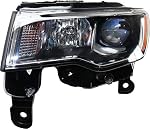
Keep Those Ford Explorer Headlights Shining

Headlights aren't just bulbs; they're your Explorer's eyes. Bright, clear, and direct. Foggy? Dull? Polish those beauties. Burned out? Time for new bulbs. Keep them shining, friend.
Shop From Amazon

![ACANII - For [HID/Xenon Model Only] 2014-2018 Jeep Cherokee Projector Headlight Headlamp Replacement Passenger Side](https://m.media-amazon.com/images/I/41+vdGbHSXL._AC_UL150_.jpg)
Wiper Blades: Small But Mighty
Think of Ford Explorer wipers as more than just rubber on glass. They're your first defense against rain, snow, and debris. Degraded? Replace them. Streaks and reduced visibility aren't something you want.
Shop From Amazon


Fight Corrosion, Keep That Explorer Body Strong

Unfortunately, Ford’s bodies are not eternal. They are made of metal, and metal is very susceptible to corrosion. Over time, cars begin to rust - at first, this is manifested by small rust spots. You can localize it and stop the corrosion if you notice it in time.
To do this, you need to inspect the Ford Explorer for rust regularly, and if something similar is noticed - you need to treat and paint this element in time so that the corrosion does not spread further.
Depending on the climate prevailing in the region, such inspections should be carried out more often or less often. In states where a humid climate prevails and winters are snowy and cold, cars suffer more from rust.
Suspension Setup
The Ford Explorer's suspension was engineered to handle various bumps and minor road imperfections while delivering a comfortable ride for both the driver and passengers.
Keep an eye on the condition of your suspension - it must function smoothly, taking on each bump and obstacle with ease. While driving, you shouldn't hear any knocking, grinding, whistling, or other noises - your suspension should operate quietly.
The Ford Explorer should not jolt over potholes; it must maintain a straight path, with no feeling of the vehicle swaying erratically. Everything should feel stable and smooth.
If you detect any of the above signs, reach out to a skilled mechanic or handle the issue yourself - suspension problems can be hazardous, particularly at high speeds.
Brakes
Functional brakes enable swift and safe stops in emergencies. When you accelerate in your Ford Explorer, you should be able to halt just as efficiently. Constantly monitor the state of your brake system - it must be flawless.
Brake pads
Don't skimp on the Ford Explorer brake pads, as they are vital for your safety. Check that the pad's working surface remains adequate; it will wear down over time and must be replaced when needed.
After replacing the pads, run the Explorer for about 60 miles. The pads will adapt, and afterward, they should function perfectly - no grabbing, no sticking. If problems persist, it might be wise to reexamine the installation and correct it if needed.
Shop From Amazon


Brake rotors

Brake rotors can wear out, too, and may fail to perform as required. To avoid this, regularly inspect their condition. Ford Explorer brake rotors should be smooth, uniform, with no signs of chips, cracks, or overheating.
Shop From Amazon


Wheels & Tires
Tires and wheels are crucial for any Ford Explorer model. Their condition affects safety, comfort, and driving experience. That's why it's essential to periodically check your tires to ensure they're up to par.
Here are some essential aspects to consider while examining your tires:
- Tire pressure. Proper tire pressure ensures a smooth and safe ride. Check the fuel tank lid, driver's side door jamb, or your user's owner manual to find the correct tire pressure for your Ford Explorer (PSI or Bar);
- Condition of the tread. The tire tread delivers grip and stability on the road. If you observe worn tread on your tires, it's time to replace them;
- Rolling of the rims. Monitor the wheels for any deformation, as even minor dents can lead to vibrations at speed;
- Seasonal tire changes for your Ford Explorer. As winter approaches, switch to winter tires to ensure proper grip and performance on icy and snowy surfaces.
To Sum Everything Up
Maintaining your Ford Explorer in prime condition is key to extending its life.
While it requires some effort on your part, you'll enjoy the confidence of knowing that your Ford Explorer's components are working optimally, delivering comfort and satisfaction on every drive.

Nick Marchenko, PhD
Industrial Engineer & Automotive Content Specialist
Nick writes in-depth guides on car clubs, engine specs, vehicle ownership, and modifications, combining engineering knowledge with automotive passion.
Full profile → LinkedIn →You May Also Like
How To Clean Your Ford Explorer's Throttle Body?
2 years agoThe Ford Explorer's throttle valve is an essential component responsible for delivering air to the combustion chambers of the engine, leading to the right fuel-air mixture formation. As you step o...
How To Clay Bar Your Ford Explorer?
2 years agoEver marveled at the pristine and glossy exterior of your Ford Explorer? Then you're bound to be intrigued by the process of clay bar detailing. The procedure goes like this: you get a block of...
How To Clean Your Ford Explorer’s Engine
2 years agoThe engine of the Ford Explorer is the mechanical heartbeat dictating acceleration, speed, and the driving experience. Preserving the engine's health through consistent maintenance is the key to i...
How To Prepare Ford Explorer For Off Road
2 years agoFor many, going off-road is a calling, a chance to explore the unbeaten path. For others, it's a break from the daily grind, an adventure waiting to be embarked upon. Regardless, venturing off the...
How To Deep Clean Your Ford Explorer’s Interior?
2 years agoIt's a common misconception to see the Ford Explorer as merely a means of transport. But there's more to it. Beyond its basic function, the Explorer offers comfort, performance, and independen...
How To Open The Hood Of the Ford Explorer?
2 years agoIf you're cruising around town in a Ford Explorer, chances are you're already familiar with its ins and outs. But if you've just jumped into the driver's seat or you're a recent Ex...