Disclaimer: Not affiliated with or endorsed by Ford Motor Company. For informational purposes only. Full Disclaimer
Ford Explorer Terrain Management System Fault
Updated:
If you happen to own a Ford Explorer, confining its travels to smooth asphalt would almost seem like a disservice. This powerhouse is engineered to conquer rugged terrains, equipped with features tailored for such adventures. Enter the Terrain Management System.
The Terrain Management System is a crucial component of the Explorer configuration, making any malfunction in this system particularly vexing.
In this post, we will explore potential issues that may arise with the Terrain Management System and provide self-help solutions for addressing these concerns.
What is the Terrain Management System?

The Terrain Management System is a standard feature in all new Ford Explorers, offering various driver modes tailored for specific conditions:
- Normal: everyday road driving
- Eco: maximizes efficiency and reduces fuel consumption
- Sport: enhances acceleration response and engages lower gears for increased speed
- Tow/Haul: boosts pulling power for trailers and heavy loads
- Slippery: limits torque to prevent slipping on slick surfaces
- Trail: allows wheel spin for maintaining momentum on rough terrain
- Deep Snow/Sand: facilitates driving through heavy snow or deep, dry sand (4WD models only)
Controlling the system is straightforward. Use the button in the center console to turn the dial and select the desired mode. Once chosen, the Explorer automatically adjusts driving style and parameters for the selected terrain.
Potential Ford Explorer Terrain Management System Faults

It would be ideal if every purchase functioned flawlessly and remained fault-free, but occasionally, issues arise. In the context of the Terrain Management System in a Ford Explorer, there are several common problems that may manifest.
Problem with Software
The SUV's Terrain Management System relies on software for adjusting various functions, accessed through the center console. It allows mode changes based on driving conditions.
Software issues can hinder mode transitions, impacting performance on specific roads. Problems arise when adding new elements via mobile devices, leading to bugs affecting hardware and signal processing.
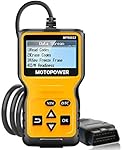
Regular updates mitigate errors, but unauthorized resets by mechanics pose issues. To fix software problems, installing the latest Terrain Management System version is recommended. Utilizing scanner tools can also help read fault codes.
Faulty Sensors
The Ford Explorer Terrain Management System relies on sensors placed strategically to identify mode conditions during transitions. These sensors, like tire sensors on wheel hubs, may wear out faster in outdoor locations, especially when exposed to dust and dirt on sandy roads.
Accumulated debris can disrupt signaling power, affecting the system's efficiency. The throttle position sensor is crucial for proper functioning, adjusting air and fuel. If speed does not change after mode adjustment, check the throttle sensors.
Service centers should be visited if an error code appears, indicating damaged sensors. Regular cleaning of sensors is essential to prevent issues.
Power Supply Issues

A reliable power supply is crucial for adjusting throttle response, vehicle speed, and steering wheel angle, all drawing power from the battery.
Power supply issues, often due to blown fuses or faulty electrical cables, can arise with temperature fluctuations affecting electrical flow.
Cold weather may lead to insufficient power during startup, while overheating problems can occur in city driving, especially during summers, impacting various functions.
Dead or weak batteries can be resolved by replacing them. Regularly inspecting electrical connections and damaged wiring in your Ford Explorer prevents resistance and voltage supply issues.
Traveling in Snowy Areas
Complaints arise when the Terrain Management System fails in cold weather due to snow-covered roads. The system's sensors, located on wheel well sides, adjust between 4WD and 2WD based on road conditions.
Accumulated ice and road salt on wheel wells hinder sensor functionality. Failure to remove this layer prevents mode shifts, like normal to snow or slippery. The snow covering the sensors disrupts communication with the system.
A solution is a thorough vehicle wash, targeting lower areas, wheel wells, and bearing sides, to clear mud, snow, and dust residues, restoring the system's functionality.
Shop From Amazon


Engine or Drivetrain Problem
Engine and drivetrain issues in the Ford Explorer trigger power loss, indicated by the wrench sign on the screen. This sign points to a throttle body problem, affecting the air and fuel mixture and hindering torque and power for mode adjustments.
Delayed fluid changes or low transmission fluid contribute to drivetrain problems. Restart the system to clear the wrench sign by turning on the ignition, pressing the brake pedal, flashing the bright lights, and firmly pressing the brake pedal again.
Steering system failure disrupts mode adjustments due to issues with the pinions and racks in the steering unit. This prevents the system from adapting speed and steering angle based on road conditions.
Can I Fix the Terrain Management System in My Ford Explorer?

The control of the Terrain Management System in a Ford Explorer is centralized through a single dial for initiation, portraying simplicity.
However, it is imperative to recognize the inherent complexity of the system, given the multitude of preset settings governing its operation.
A sophisticated intelligence is required to interpret and fulfill diverse terrain requests effectively. The system's advanced technology makes it susceptible to occasional malfunctions, some of which can be easily addressed.
However, it is essential to acknowledge that certain unmentioned issues may arise, surpassing our capability for self-repair. Mastering the intricacies of automotive mechanics is a time-consuming endeavor, and some challenges may remain beyond our grasp, especially for those lacking the requisite expertise.
Adhering to a general guideline, if one possesses confidence in addressing a specific issue, attempting a fix is acceptable. Nonetheless, caution is warranted, as meddling with certain aspects of the vehicle, particularly when it is under warranty, could jeopardize the protection offered.
For those lacking confidence in their ability to diagnose or remedy a problem, it is wiser to defer to individuals with the necessary experience.
While basic car maintenance and repair skills are valuable, there is a threshold beyond which professional intervention becomes indispensable.
The Ford Explorer's Terrain Management System is generally robust, mirroring the durability of the SUV. However, like anything, it is not immune to issues that may require repairs. While a simple reset can sometimes suffice, there are instances where a part might need repair or replacement.

Nick Marchenko, PhD
Industrial Engineer & Automotive Content Specialist
Nick writes in-depth guides on car clubs, engine specs, vehicle ownership, and modifications, combining engineering knowledge with automotive passion.
Full profile → LinkedIn →You May Also Like
Ford Explorer Shift System Fault
2 years agoThe Ford Explorer is equipped with an advanced shift system for smooth gear transitions; however, occasional faults can occur in any mechanical system. One common issue is a shift system fault, ind...
Ford Explorer Transmission Fault Service
2 years agoIf the "Transmission Fault Service Now" error message appears on your Ford, it indicates a transmission issue necessitating prompt attention from a mechanic. In this post, we will look at...
Understanding the Causes and Solutions for 7.3 Diesel in Coolant Issues
2 years agoThe Warning Signs Before we dive into the causes and solutions, let's first understand the early warnings. If your 7.3L engine is mixing diesel with coolant, you might notice: Unusual Sme...
How To Decode Ford Explorer VIN Code - Complete Guide
2 years agoEach Ford Explorer carries a unique marker that sets it apart from every other vehicle on the road: its Vehicle Identification Number, or VIN. This sequence of numbers and uppercase letters is packed...
Ford Explorer Trim Levels Comparison
2 years agoIf you're in the market for a reliable and spacious SUV, the 2023 Ford Explorer is a contender that deserves your attention. This guide dives deep into the specifications and features of the vario...