Disclaimer: Not affiliated with or endorsed by Ford Motor Company. For informational purposes only. Full Disclaimer
Ford Explorer Starting System Fault If you own a Ford Explorer and have encountere
Updated:
If you own a Ford Explorer and have encountered the frustration of the vehicle not starting, you are likely familiar with the redundant notification of a starting system fault.
In this post, we will explore some potential reasons for your Ford Explorer starting issue and provide straightforward solutions to address the problem.
What Does System Fault Mean on a Ford Explorer?

The system fault diagnostic message indicates a problem with the vehicle's starting system or related components. This problem can be caused by a number of factors, including a defective battery, a faulty starting motor, a faulty starter solenoid, wiring issues, or a broken ignition switch.
The starting mechanism is intricate, relying on several distinct components to initiate the engine. If any of these parts fail to operate correctly, your car will not start, leading to a starting system fault in your Ford Explorer.
How the Starting System in Ford Works

A Ford vehicle's starting system comprises a battery, a starter motor, a starter solenoid, an ignition switch, and the cabling connecting these components.
When the ignition switch is turned to start, a signal is sent to the starter solenoid. The starter solenoid receives the signal, closes a set of contacts, allowing electrical current from the battery to flow to the starter motor.
The starter motor then turns the engine over, initiating the starting process. Once the engine starts, the ignition switch is released, and the starter solenoid opens its contacts, interrupting power to the starter motor.
This system is critical for starting the engine and must function properly for the car to start. Any of these components failing might cause difficulty or failure to start the automobile.
What Could the Problem Be?

Experienced vehicle owners may immediately conclude that the issue is related to the car's battery, which is a viable option. However, there might be other things at work.
While the battery supplies the spark, the internal combustion engine requires fuel and air to perform properly. The above list includes the most common concerns, although there may be more possible issues.
We will focus on these specific difficulties for the sake of this presentation, since they frequently have remedies that can be applied individually.
Dead or Damaged Battery
Shop From Amazon


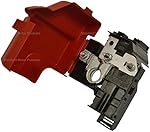
Car batteries in a Ford Explorer wear out over time, typically needing replacement every 3 to 5 years. Signs of wear include a rattling noise, decreased engine performance, and difficulty starting.
Corroded battery contacts or an inability to hold a charge may contribute to the problem. Cleaning connections or jump-starting can help, but if unsuccessful, replacing the battery is likely. Here is a basic guide for replacement:
- Turn off the Explorer for 15 minutes to dissipate any residual charge.
- Use a ratchet socket to remove battery clamps.
- Disconnect negative and positive cables.
- Lift out the old battery.
- Replace it with a new one, aligning terminals.
- Reconnect cables securely.
- Tighten clamps to secure the new battery.
Alternator Issues
A clean and non-corroded new battery may face charging issues, often originating from a malfunctioning alternator. The alternator, powered by the engine rotation, generates an electrical charge for the battery, supporting the Ford Explorer's electronics.
A malfunctioning alternator can disrupt the charging process due to faults or contaminants. Cleaning the alternator can enhance efficiency, but if it fails completely, replacement might be necessary, often involving changing the alternator belt.
While more intricate than a battery replacement, you can find guidance on alternator replacement through instructional videos on YouTube. If unsure, consulting a mechanic is recommended for this task.
Shop From Amazon

![10 Pcs Gas Inline Fuel Filters with magnet for Kawasaki Kohler Briggs & Stratton John Deere [1/4 Inch x 5/16 Inch]](https://m.media-amazon.com/images/I/413474YcpbL._AC_UL150_.jpg)

Clogged Fuel Filter
To create ignition in an internal combustion engine, you need spark, oxygen, and fuel. Fuel is crucial for starting a Ford Explorer, and an empty tank or fuel not reaching the combustion chambers can lead to starting issues, possibly caused by a fuel leak or clogged fuel filter.
Manufacturers typically recommend replacing the fuel filter every 20,000 to 150,000 miles. A clogged filter can result in decreased fuel pressure, preventing gasoline from reaching its destination.
Fuel filters cannot be cleaned; replacement is the only option. Replacing a fuel filter is an intermediate-level task, suitable for DIY with instructional videos. However, if uncertain, professional assistance is recommended due to the risks of potential mistakes.
Loose Cables

Discovering a starting system fault caused by a loose cable is relieving. Jostling during driving can loosen connections. Use needle-nose pliers to tighten wires connected to the start system.
A loose connection can intermittently disrupt current flow, causing various issues. Refer to your owner's manual for wire locations and ensure they are clean and securely tightened.
Shop From Amazon


Spark Plugs
As mentioned, we need spark plugs to ignite the fuel and oxygen for the engine. Dirty spark plugs, often from oil or fuel, can cause starting issues.
A simple cleaning might suffice; however, if they break or burn out, the engine will not start due to a lack of ignition spark. While it is a relatively simple fix, it is advisable to leave it to a professional if you lack confidence.
The Starter Motor
Starter motors, particularly if old and worn out, can be a source of starting faults. A clicking sound during a failed startup attempt may indicate an issue with the starter motor.
Given the complexity of this fix, seeking assistance from a mechanic is advisable unless you possess a certain level of technical skill.
How to Fix Ford Explorer Starting System Fault
To resolve a starting system fault notice on a Ford Explorer, follow these steps:
- Check the battery. Ensure the battery has sufficient charge, or consider charging or replacing it if necessary.
- Examine starting motor, starting solenoid, and ignition switch. Replace the starting motor if it is malfunctioning; clean or replace a dirty or faulty starting solenoid; verify if the ignition switch requires replacement.
- Inspect wiring. Periodically check for wiring damage or corrosion and repair or replace damaged sections to prevent electrical issues.
- Keep the starter motor clean. Regularly clean the starter motor to prevent dirt and debris buildup that can affect its performance.
- Use quality fuel. Ensure the use of high-quality, uncontaminated fuel to prevent engine problems impacting the starting system.
- Regular maintenance. Schedule routine maintenance with a qualified mechanic or auto shop to identify and address potential starting system issues before they escalate. By following these measures and maintaining regular check-ups, you can help prevent starting system failures in your Ford Explorer and maintain smooth operation.

Nick Marchenko, PhD
Industrial Engineer & Automotive Content Specialist
Nick writes in-depth guides on car clubs, engine specs, vehicle ownership, and modifications, combining engineering knowledge with automotive passion.
Full profile → LinkedIn →You May Also Like
Ford Explorer Brake Lamp Bulb Fault
2 years agoHave you received a brake lamp bulb fault message on your Ford Explorer and are wondering what to do? You have come to the correct place. In the sections that follow, we will go over how to access...
How to Fix Power Steering Assist Fault in Ford Explorer
2 years agoDriving has grown easier and safer with the advent of power steering technology in vehicles, providing more agility and increased vehicle control. The power steering system includes both hydraulic...
Engine Fault Service Now Ford Explorer
2 years agoCurious about the significance of the "Engine Fault Service Now" message illuminating on your Ford Explorer dashboard? If this warning has left you uncertain about its implications and the n...
Ford Explorer Tire Pressure Sensor Fault
2 years agoAs you drive, the message "Tire Pressure Sensor Fault" suddenly illuminates on your Ford Explorer dashboard. What does this signify, and what are the potential costs associated with resolvin...
Adding Rooftop Cargo Carriers to Your Ford Explorer to Enhance Your Travel Experience
2 years agoIntroduction The Ford Explorer is an adaptable car that can accompany you on many adventures, but occasionally you need a little more room to fit your belongings. This is where rooftop cargo car...
The Ultimate Guide to Understanding the Coolant Type for the 2020 Ford Explorer
2 years agoUnderstanding Engine Coolant What is Engine Coolant? Engine coolant, often termed as antifreeze, is a critical fluid for your vehicle. It serves two primary functions: it absorbs heat from the e...