Disclaimer: Not affiliated with or endorsed by Ford Motor Company. For informational purposes only. Full Disclaimer
Ford 3.5 EcoBoost Engine: Problems, Longevity, And Specs
Updated:
The Ford 3.5 EcoBoost engine is a real beast compared to the smaller EcoBoost engines in terms of output. This comparatively compact engine works wonders in Ford SUVs like Ford Explorer and trucks like Ford F-150, outmatching many larger options. Its twin turbochargers allow this engine to produce enough horsepower and torque to compete with engines almost twice as big. And at the same time, the 3.5L EcoBoost can guarantee no less than 15% better fuel efficiency staying true to the “Eco” part in its name.
This is a reliable engine too. But needless to say, it also sufferers from certain issues that run the EcoBoost family. Most of the time, these are easily manageable things if you can spare some time for regular checks and maintenance. But this EcoBoost engine has less concerning problems than 1.5L or 1.6L models.
Ford 3.5 EcoBoost Engine Specs & Horsepower
Considering this engine comes as a standard option for larger and stronger models like SUVs, pick-ups and sedans, the Ford 3.5 EcoBoost can produce an impressive 365 hp and 420 lb/ft in torque to power these vehicles. Despite its humble size, this V6 turbocharged gasoline engine is capable of outmatching similar engines not only in power output but also in fuel efficiency.
This engine runs on petrol which can be a fine option for pick-ups as well, thanks to the fuel economy. On average, the Ford 3.5 EcoBoost can maintain around 20 MPG combined. Not a bad result for a bigger vehicle with all-wheel drive. This number will drastically differ between different models with the same engine.
Ford 3.5 EcoBoost Engine Specifications
|
Specification |
Value |
|
Manufacturer |
|
|
Engine type |
V6 turbocharged gasoline engine |
|
Number of cylinders |
6 |
|
Displacement |
3.5 liters (213 cubic inches) |
|
Horsepower |
325-450 horsepower (varies by vehicle/year) |
|
Torque |
375-510 lb-ft (varies by vehicle/year) |
|
Compression ratio |
10.0:1 |
|
Fuel system |
Direct injection |
|
Valve train |
DOHC with Ti-VCT technology |
|
Transmission |
6-speed automatic, 10-speed automatic, or 6-speed manual |
|
MPG (city) |
15-21 MPG (varies by vehicle/year) |
|
MPG (highway) |
18-26 MPG (varies by vehicle/year) |
The greatest advantage of the Ford 3.5 EcoBoost engine is how much power it is able to pack in such a compact part. The EcoBoost engines, in general, allow the Ford models to be lighter and more efficient. And the Ford 3.5 EcoBoost engine is no exception. As a part of many iconic Ford SUVs and pick-up trucks, this detail is hard to overlook. It makes these models more affordable and sustainable to drive.
But this is not a perfect engine, such a thing does not exist. Watch this teardown video for more information on possible problems. If you are a visual learner, this should be just for you.
Possible Problems with Ford 3.5 EcoBoost Engine
We can call the Ford 3.5 EcoBoost engines reliable, but there are still some pretty serious potential issues caused by their design. In fact, we cannot ignore the fact that there are two generations of this particular engine and they vary not only in performance but also in weaknesses.
Timing chain issues

The first generation of the Ford 3.5 EcoBoost engines is notorious for timing chain problems more than anything else. Be especially careful with the 2010-2014 model years that use this engine. The reports also indicate that Ford F-150 is the most vulnerable to this issue too. Thankfully, the second generation managed to fix this issue or, in the worst case, make it much more manageable.
When the timing chain becomes stretched (or there is something wrong with the guides or tensioners), this causes rattling sounds, problems with acceleration, engine misfires or hesitation. This is a very serious matter, and it must be addressed immediately. To fix this Ford 3.5 EcoBoost engine problem, you might need to replace some worn or damaged parts. But it is always better to prevent the issue with regular maintenance since the repairs can cost you anywhere from $500 to $1,500, depending on the severity and car model.
Turbocharger issues

It pays off to have a turbocharged engine if you enjoy great performance. But turbochargers often have common weaknesses and suffer from such problems as leaks, clogs, or failure. This issue persists in both the first and second generations.
To identify a turbocharger problem in the Ford 3.5 EcoBoost engine, look for signs like excessive smoke from the exhaust, decreasing performance, and loud whining noise. If the turbocharger is just blocked by buildup, a simple cleaning will help to resolve the issue. But when the damage is done, the only way is to replace the turbocharger.
Shop From Amazon


Carbon buildup

All direct injection engines have one problem in common, and it is a quick accumulation of carbon buildup. It clogs the intake valves, causing power loss and other engine problems. The second generation Ford 3.5 EcoBoost engines experience it less often than the first generation. But we still recommend regular maintenance. And this is not one of the often occurring issues either. Consider looking for professional cleaning services once every 100,000 miles because neither is it cheap. Expect to pay $500 or more for one session.
Cam phasers problems

Fixing one engineering problem often leads to creating another one. This is exactly what happened with the second generation of the Ford 3.5 EcoBoost engine. In place of a timing chain problem, these engines struggle with rattling cam phasers.
You can tell that you have this Ford 3.5 EcoBoost engine issue by the rattling sound during a cold start and the occasional engine shuddering. Extended warranty usually covers cam phasers’ replacement, but even if you are way past that point, you might still get some help from Ford. Any discount is appreciated because it costs no less than a few thousand dollars to replace these parts.

Faulty ignition

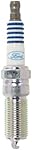
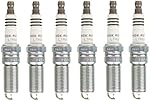
This is less of an issue and more of a direct impact of the twin-turbo and injection type. The turbocharged Ford 3.5 EcoBoost engine puts a lot of stress on the ignition coils and spark plugs, wearing them down at a much faster rate than some other engines without a direct injection or turbo.
So, if you have any difficulty starting an engine, look at the spark plugs and ignition coils first. It just might be the time to replace them.
Shop From Amazon

Ford 3.5 EcoBoost Engine Life Expectancy
Ford 3.5 EcoBoost is a reliable engine with outstanding performance. It does have some drawbacks, but with diligent maintenance and regular checks, it can last for 150,000-200,000 miles. After this many years, virtually any car will need some sort of serious maintenance or repairs. For this particular engine, it could be replacing a timing chain and its components or walnut shell blasting to remove the carbon buildup.
What it really needs is high-quality fluids and regular refills of coolant and fresh engine oil. With these simple steps, you will ensure your Ford 3.5 EcoBoost engine’s longevity and prime performance.
What Ford Models Use the 3.5 EcoBoost?
Unlike Ford 1.5, 1,6 and 2.0 EcoBoost, this engine fits more demanding vehicle types that require more torque and power. It can be found on many Ford and Lincoln trucks, pick-ups and SUVs thanks to its versatile combination of size, performance and efficiency.
Car models using Ford 3.5 EcoBoost engine
|
Year |
Make |
Model |
Type |
|
Ford |
Expedition |
SUV |
|
|
Ford |
F-150 |
Truck |
|
|
Ford |
Expedition |
SUV |
|
|
Ford |
F-150 |
Truck |
|
|
Lincoln |
Navigator |
SUV |
|
|
Ford |
F-150 |
Truck |
|
|
Lincoln |
Navigator |
SUV |
|
|
Ford |
Expedition |
SUV |
|
|
Ford |
F-150 |
Truck |
|
|
Ford |
Expedition |
SUV |
|
|
Lincoln |
Navigator |
SUV |
|
|
Ford |
F-150 |
Truck |
|
|
Ford |
Explorer |
SUV |
|
|
Ford |
Flex |
SUV |
|
|
Ford |
Taurus |
Sedan |
|
|
Lincoln |
Navigator |
SUV |
|
|
Ford |
Expedition |
SUV |
|
|
2019 |
Lincoln |
MKT |
SUV |
|
Ford |
Flex |
SUV |
|
|
2018 |
Lincoln |
MKT |
SUV |
|
Ford |
F-150 |
Truck |
|
|
Ford |
Expedition |
SUV |
|
|
Lincoln |
Navigator |
SUV |
|
|
Ford |
Explorer |
SUV |
|
|
Ford |
Taurus |
Sedan |
|
|
Ford |
Explorer |
SUV |
|
|
Ford |
Expedition |
SUV |
|
|
Lincoln |
Navigator |
SUV |
|
|
Ford |
F-150 |
Truck |
|
|
2017 |
Lincoln |
MKT |
SUV |
|
Ford |
Flex |
SUV |
|
|
Ford |
Taurus |
Sedan |
|
|
Ford |
Explorer |
SUV |
|
|
Ford |
Expedition |
SUV |
|
|
Lincoln |
Navigator |
SUV |
|
|
Ford |
F-150 |
Truck |
|
|
Ford |
Flex |
SUV |
|
|
Ford |
Taurus |
Sedan |
|
|
2016 |
Lincoln |
MKT |
SUV |
|
Ford |
Expedition |
SUV |
|
|
Ford |
Explorer |
SUV |
|
|
Ford |
Taurus |
Sedan |
|
|
Lincoln |
Navigator |
SUV |
|
|
Ford |
F-150 |
Truck |
|
|
Ford |
Flex |
SUV |
|
|
2015 |
Lincoln |
MKT |
SUV |
|
Ford |
Explorer |
SUV |
|
|
Ford |
F-150 |
Truck |
|
|
Ford |
Flex |
SUV |
|
|
Ford |
Taurus |
Sedan |
|
|
2014 |
Lincoln |
MKT |
SUV |
|
Ford |
Explorer |
SUV |
|
|
Ford |
F-150 |
Truck |
|
|
Ford |
Flex |
SUV |
|
|
Ford |
Taurus |
Sedan |
|
|
2013 |
Lincoln |
MKT |
SUV |
|
Ford |
F-150 |
Truck |
|
|
Ford |
Flex |
SUV |
|
|
Ford |
Taurus |
Sedan |
|
|
2012 |
Lincoln |
MKT |
SUV |
|
Ford |
F-150 |
Truck |
|
|
Ford |
Flex |
SUV |
|
|
Ford |
Taurus |
Sedan |
|
|
2011 |
Lincoln |
MKT |
SUV |
|
Ford |
Flex |
SUV |
|
|
Ford |
Taurus |
Sedan |
|
|
2010 |
Lincoln |
MKT |
SUV |
Is Ford 3.5 EcoBoost a Good Engine?
In our opinion, yes, the Ford 3.5 EcoBoost is a good engine with a great balance of output and fuel consumption. It does not have the same coolant leak problem that literally plagues the 1.5 and 1.6 EcoBoost engines and severely damages their reputation and life expectancy.
The only concerning issue with the 3.5 EcoBoost is the fast wear of the timing chain. This problem is not only dangerous to the engine, but it also costs a few thousand dollars to fix if things go south. Aside from that, the vehicles using the Ford 3.5 EcoBoost engine may prove to be a little over average in terms of maintenance cost. But the same can be said about any other turbocharged engine with a direct injection system.
FAQs
1. What is the firing order for the Ford 3.5 EcoBoost engine?
The firing order for the 3.5L EcoBoost is 1–4–2–5–3–6. This pattern keeps the engine balanced and reduces vibration.
2. Which cylinder is number one on a 3.5 EcoBoost engine?
The number one cylinder is on the passenger side, closest to the front of the engine near the accessory belt.
3. What’s the cylinder layout for the Ford 3.5L EcoBoost?
The right (passenger) bank contains cylinders 1–2–3, and the left (driver) bank holds cylinders 4–5–6.
4. Is the firing order the same for all 3.5 EcoBoost models?
Yes, from 2011 through 2024, all 3.5L EcoBoost engines share the 1–4–2–5–3–6 firing sequence.
5. Do the F–150 and Explorer 3.5 engines use the same firing order?
Yes, both vehicles use the same 3.5L V6 engine family and share identical firing orders and cylinder layouts.
6. What is the cylinder bank orientation on the Ford 3.5 EcoBoost?
Bank 1 is the passenger side (cylinders 1–2–3), while Bank 2 is the driver side (cylinders 4–5–6).
7. What is the firing order for the 2015 Ford F–150 3.5L EcoBoost?
The 2015 F–150 3.5L EcoBoost uses a 1–4–2–5–3–6 firing order, ensuring smooth operation and consistent torque delivery.
8. Is the firing order the same for the non–turbo 3.5L V6?
Yes, naturally aspirated 3.5L Duratec engines also follow 1–4–2–5–3–6, though their intake and timing differ.
9. Does the firing order affect the spark plug wire arrangement?
Absolutely. Each coil must connect to the proper cylinder according to the firing sequence to prevent misfires.
10. What happens if the firing order is incorrect?
An incorrect sequence causes misfiring, rough idling, and potential catalytic converter damage over time.
11. What’s the firing order for a 2016 Ford Explorer 3.5?
The 2016 Explorer 3.5L engine shares the same firing order of 1–4–2–5–3–6 as the F–150 and Expedition.
12. How can I identify the number one cylinder?
Locate the passenger side front cylinder, nearest the timing cover – that’s cylinder number one.
13. Is the firing order different for AWD vs RWD models?
No. Drivetrain type doesn’t affect firing order since it’s determined by the engine’s crankshaft design.
14. What is the firing order for the 2018 Ford F–150 3.5 EcoBoost?
It remains 1–4–2–5–3–6, matching all previous EcoBoost versions.
15. What’s the purpose of the 3.5 EcoBoost’s firing pattern?
It balances internal forces, ensures even power strokes, and minimizes vibration across both cylinder banks.
Shop From Amazon


16. Can I use the same firing order diagram for the 2019 F–150?
Yes, Ford maintained identical bank layout and sequence for all second–generation EcoBoosts.
17. What’s the firing order for the 2017 Ford Explorer 3.5L?
The 2017 Explorer 3.5 V6 has a firing order of 1–4–2–5–3–6, consistent across the platform.
18. Are both turbochargers affected by the firing order?
Yes. The even sequence keeps exhaust pressure balanced, helping the twin turbos spool evenly.
19. Does the Gen 2 3.5 EcoBoost have the same firing order as Gen 1?
Yes, though Gen 2 adds port injection and revised timing, its crank and firing sequence remain unchanged.
20. What is the correct firing order for a 2013 F–150 EcoBoost?
The 2013 EcoBoost follows the same 1–4–2–5–3–6 sequence as newer models.
21. Which cylinders misfire most often on the 3.5 EcoBoost?
Cylinders 3 and 4 commonly misfire due to coil pack or injector issues, especially under high boost.
22. Does Ford’s 3.5 Duratec use the same cylinder numbering as EcoBoost?
Yes, the numbering is identical – the difference lies in intake and turbo components.
23. Where can I find a 3.5 EcoBoost firing order diagram?
Ford service manuals, workshop guides, or reputable automotive websites often provide labeled diagrams.
24. What’s the firing order for a 2016 Ford Expedition 3.5L?
It’s 1–4–2–5–3–6, identical to other 3.5 EcoBoost engines.
25. How can I tell which bank is Bank 1?
Bank 1 always contains the number one cylinder, located on the passenger side in most Ford V6 layouts.
26. Are firing orders the same between the 3.5 EcoBoost and 3.7 Cyclone?
No. The 3.7L uses a 1–4–2–5–3–6 sequence too, but cylinder orientation and timing differ.
27. How often should spark plugs be replaced on a 3.5 EcoBoost?
Every 60,000 miles under normal driving, or sooner if misfire codes appear.
28. What is the firing order for the 2020 Ford F–150 Raptor?
The 3.5L High Output version still uses 1–4–2–5–3–6. Only tuning and internals differ.
29. Is there a difference in firing order between first and second turbo banks?
No. The order controls combustion, not turbo flow – both turbos operate off shared exhaust pulses.
30. What’s the firing order for a 2011 Ford F–150 3.5L?
Same as newer models: 1–4–2–5–3–6. It was the first EcoBoost year in F–150 trucks.
Shop From Amazon


31. How do I locate cylinder 2 on the 3.5 EcoBoost?
It’s the middle cylinder on the passenger side, directly behind cylinder 1.
32. Does incorrect coil installation affect firing?
Yes. Mixing coil connectors or installing them on the wrong cylinders causes engine misfires and hesitation.
33. What’s the firing order for a 2019 Ford Expedition 3.5?
The same proven 1–4–2–5–3–6 pattern used throughout Ford’s 3.5L lineup.
34. How do I verify correct plug wiring after engine service?
Match each ignition coil lead to its cylinder number, following the firing diagram for 1–4–2–5–3–6.
35. Are EcoBoost V6 firing orders the same for cars and trucks?
Yes. The 3.5 EcoBoost in Ford sedans, SUVs, and pickups all share the same firing sequence.
36. What’s the difference between 3.5 EcoBoost and 3.5 Ti-VCT firing?
None – both engines maintain 1–4–2–5–3–6, though Ti–VCT adjusts valve timing dynamically.
37. How do I identify Bank 2 sensors by firing order?
Bank 2 holds cylinders 4–5–6 on the driver side, which helps when locating O2 or knock sensors.
38. What’s the firing order for the 2014 Ford Explorer 3.5?
Identical to later models: 1–4–2–5–3–6.
39. Can I mix parts from a 3.5 EcoBoost and a 3.5 Duratec?
Not safely – internal timing components differ even though firing order is the same.
40. Why is the 3.5 EcoBoost firing order designed this way?
It keeps the engine smooth by alternating combustion between both banks evenly.
41. How does the 3.5 EcoBoost firing order impact turbo performance?
The even firing rhythm maintains consistent exhaust pressure, optimizing turbo response.
42. What’s the firing order for a 2017 Ford F–150 3.5L?
Still 1–4–2–5–3–6, consistent across the F–150 range.
43. Do EcoBoost engines have wasted spark ignition?
No. The 3.5L uses coil–on–plug ignition with individual timing control for each cylinder.
44. Is cylinder numbering the same in 2021 EcoBoost trucks?
Yes, Ford retained the same numbering convention and firing sequence for all recent V6 engines.
45. What’s the firing order for the 2013 Ford Expedition 3.5?
1–4–2–5–3–6 – consistent across all Ford 3.5L twin–turbo models.
Shop From Amazon

46. How do I check cylinder compression following the firing order?
Follow 1–4–2–5–3–6 to test in sequence, ensuring even pressure across all six cylinders.
47. Are all Ford V6 engines 1–4–2–5–3–6?
Most modern Ford V6 engines share this firing pattern, though older Vulcan and Essex designs differ.
48. What’s the firing order for a 2020 Ford Expedition 3.5?
It remains 1–4–2–5–3–6, matching the F–150 and Explorer layouts.
49. Does Ford’s 3.5 EcoBoost use a cross–plane crankshaft?
No. It uses an even–fire 60–degree V6 crankshaft optimized for balance and firing uniformity.
50. How can I remember the 3.5 EcoBoost firing order?
Think of it as alternating between banks: passenger 1, driver 4, passenger 2, driver 5, passenger 3, driver 6.
Shop From Amazon


Nick Marchenko, PhD
Industrial Engineer & Automotive Content Specialist
Nick writes in-depth guides on car clubs, engine specs, vehicle ownership, and modifications, combining engineering knowledge with automotive passion.
Full profile → LinkedIn →You May Also Like
What Causes Ford Explorer Won’t Start & Make Clicking Noise
3 years agoNot many things can spoil your day so thoroughly before it even starts for real like a car that refuses to start. There are many reasons why your Ford Explorer suddenly starts making clicking noises a...
What Causes Ford Explorer Vibration & How to Fix It
3 years agoThe cause of the problem with vibration in a Ford Explorer can be extremely hard to pinpoint and fix. You can experience shaking, minor low vibration, or a bumpy ride, and all of these effects have di...
Here Are The 5 Ford Explorer Years to Avoid
3 years agoAre you in the market for a Ford Explorer? Before you make a purchase, it's important to be aware of the years to avoid. While the Explorer may be a popular SUV, certain models have had their fai...
How to unlock Ford Explorer without keys?
3 years agoImagine this: You find yourself in a whirlwind of chaos, your mind racing with a million things, when suddenly it happens – you accidentally lock your keys inside your trusty Ford Explorer. It&#...
Ford 4.0 Cologne V6 SOHC Engine: Problems, Longevity, And Specs
3 years agoWhen it comes to engines, the Ford 4.0 Cologne V6 SOHC is one that has been around for quite some time. It's been used in various Ford models, from the Explorer to the Ranger, and has gained quite...