Disclaimer: Not affiliated with or endorsed by Ford Motor Company. For informational purposes only. Full Disclaimer
Ford 5.4 Triton Engine: Problems, Longevity, And Specs
Updated:When it comes to pickup trucks, the Ford F-150 is a popular choice among drivers, and one of the reasons for this is the impressive Ford 5.4 Triton engine. However, despite its reputation for power and reliability, this engine is not without its problems. In this post, we will take a closer look at the Ford 5.4 Triton engine, exploring both its strengths and weaknesses.
One of the main issues with this engine is its longevity, with many drivers experiencing problems with the engine after just a few years of use. Additionally, there have been reports of problems with the cam phasers and timing chains, which can lead to significant engine damage. However, despite these issues, the Ford 5.4 Triton engine remains a popular choice for many drivers, thanks to its impressive performance and power. Let’s explore the engine in more detail, discussing its performance capabilities, common problems, and tips for maximizing its lifespan.

Ford 5.4 Triton Engine Specs & Horsepower
This engine has been around for quite some time, from 1997 to 2017. It was manufactured at both the Windsor Engine Plant and the Essex Engine Plant, both located in Windsor, Ontario.
Now, when it comes to the cylinder block material, the 5.4 Triton engine is available in both aluminum and cast iron options. The cylinder head is made of aluminum. This engine runs on gasoline and uses sequential multi-port fuel injection.
The 5.4 Triton engine is an eight-cylinder engine, with either 2, 3, or 4 valves per cylinder, depending on the specific model. The valvetrain layout can either be a single overhead cam (SOHC) or dual overhead cam (DOHC). The bore size is 90.2 mm (3.55 in) and the stroke is 105.8 mm (4.17 in), resulting in a displacement of 5,409 cc (330.1 cu in).
In terms of power, the 5.4 Triton engine can produce anywhere from 230 to 327 horsepower and 323 to 500 Nm of torque, depending on the model. The compression ratio can either be 9.0:1 for the SOHC 2-valve engine or 9.8:1 for the SOHC 3-valve engine.
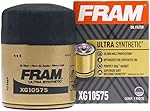
The engine oil weight for this engine is SAE 5W-20, and the oil capacity varies depending on the year of the engine. For 1997-2003 models, it requires 5.7 liters (6.0 quarts) with an oil filter, and for 2004 and newer models, it requires 6.6 liters (7.0 quarts) with an oil filter. The recommended oil change interval is 5,000 miles (10,000 km) or every 6 months.
The Ford 5.4 Triton is a reliable and powerful engine that has been used in a variety of vehicles over the years. If you're looking for an engine that can provide some serious horsepower and torque, this might be the engine for you.
The Ford 5.4 Triton Engine Specifications
|
Specification |
Description |
|
Manufacturer |
The Windsor Engine Plant in Windsor, Ontario and the Essex Engine Plant in Windsor, Ontario produced this engine. |
|
Production years |
The Ford 5.4 Triton engine was manufactured from 1997 to 2017. |
|
Cylinder block material |
The engine is available in both aluminum and cast iron options for the cylinder block material. |
|
Cylinder head material |
The cylinder head of the 5.4 Triton engine is made of aluminum. |
|
Fuel type |
The engine runs on gasoline. |
|
Fuel system |
It uses a sequential multi-port fuel injection system. |
|
Configuration |
The engine has a V configuration. |
|
The number of cylinders |
It is an 8-cylinder engine. |
|
Valves per cylinder |
The engine has 2, 3, or 4 valves per cylinder, depending on the specific model. |
|
Valvetrain layout |
The engine has either a single overhead cam (SOHC) or dual overhead cam (DOHC) valvetrain layout. |
|
Bore, mm |
The bore size of the 5.4 Triton engine is 90.2 mm (3.55 in). |
|
Stroke, mm |
The stroke size of the engine is 105.8 mm (4.17 in). |
|
Displacement, cc |
The engine has a displacement of 5,409 cc (330.1 cu in). |
|
Type of internal combustion engine |
The engine is a 4-stroke naturally aspirated internal combustion engine. |
|
Compression Ratio |
The engine's compression ratio can either be 9.0:1 for the SOHC 2-valve engine or 9.8:1 for the SOHC 3-valve engine. |
|
Power, hp |
Depending on the model, the engine can produce anywhere from 230 to 327 horsepower. |
|
Torque, lb-ft |
Depending on the model, the engine can produce between 323 and 500 Nm of torque. |
|
Engine weight |
500-550 lbs more or less |
|
Firing order |
The engine has a firing order of 1-3-7-2-6-5-4-8. |
|
Engine oil weight |
The recommended oil weight for the engine is SAE 5W-20. |
|
Engine oil capacity, liter |
For 1997-2003 models, it requires 5.7 liters (6.0 quarts) with an oil filter, and for 2004 and newer models, it requires 6.6 liters (7.0 quarts) with an oil filter. |
|
Oil change interval, mile |
The recommended oil change interval for the engine is 5,000 miles (10,000 km) or every 6 months. |
Possible Problems with Ford 5.4 Triton Engine & Life Expectancy
The Ford 5.4 Triton engine is reliable and performs well, but like any other engine, it is prone to some issues. The most common issues are bad phasing, misfires, roller followers wear, fuel pump deterioration and problems with timing chains.
Cam Phaser Noise

A disappointingly common issue with the Ford 5.4 Triton engine is cam phaser noise. Cam phasers are responsible for adjusting the camshaft position based on engine load and speed. Over time, the cam phasers can wear out and start making noise, which sounds like a rattling noise coming from the engine. If left unchecked, this can cause damage to the engine. If you hear a rattling noise coming from the engine, it is important to have it checked out by a professional mechanic.
Misfires

Misfires are the most common issue with the Ford 5.4 Triton engine. There are many factors that can cause misfires, including fuel, ignition, and mechanical issues such as compression. On the 2-valve 5.4, the most common cause of misfires is the coil-over plug. Each cylinder has a coil individually, so if these coils go bad, you will start getting misfires.
The first step to diagnosing a misfire is to check the check engine light. If you have a misfire code, such as P0304 (cylinder 4) or P0305 (cylinder 5), you can easily identify which cylinder is misfiring. If you have a P0300 code, it means that there is a random misfire, which is harder to diagnose. With a good scan tool, you can go into mode 6 and check each cylinder for misfires. Once you identify the cylinder causing the misfire, you can swap the coil with another cylinder to see if the misfire follows the coil. If it does, you know that the coil is bad and needs to be replaced.
Shop From Amazon


Worn-out Roller Followers

And the second most common issue with the Ford 5.4 Triton engine is worn-out roller followers. Roller followers are rocker arms with a roller in the center that supports needle bearings, which actuate the intake and exhaust valves. When the needle bearings wear down, the whole roller drops, causing a ticking and tapping noise for 5-15,000 miles. If the roller follower is not replaced, the bearing will seize and chew into the cam lobe, which can destroy the engine and cost thousands of dollars to repair. It is important to have your roller followers checked and replaced if necessary to avoid catastrophic engine damage.
Timing Chain Wear

Another frustrating problem with the Ford 5.4L Triton engine is related to its timing chain setup. The main design flaw with the timing chain setup is that the chains are too long, which can cause them to wear out and stretch over time. As a result, the engine's timing can become erratic, causing performance issues and potentially damaging the engine. To avoid these problems, it is recommended to replace the timing chain between 80,000 and 120,000 miles or as soon as any issues with the timing chain are detected. Regular maintenance and inspections can also help detect any potential issues with the timing chain before they cause more significant problems.
Fuel Pump

And one more issue commonly faced by the Ford 5.4 Triton engine is the fuel pump driver module failure. The location of the module, which is typically located at the rear of the vehicle and near the frame, exposes it to harsh elements like dirt, water, and salt, leading to its eventual failure. The failure of the fuel pump driver module can result in various issues, such as engine stalling, misfiring, or failure to start. Hence, regular maintenance and replacement of the fuel pump driver module can help prevent such issues and ensure the smooth functioning of the engine.
Ford 5.4 Triton Engine Longevity
When it comes to buying a new truck, one of the most important factors to consider is the engine's life expectancy. After all, you want your investment to last as long as possible. According to our research, the Ford 5.4 engine can last between 150,000 and 300,000 miles on average. That's quite a range, but it all depends on various factors that impact the engine's lifespan, so don’t get too overexcited about the figures.
Maintenance is the key factor that determines the lifespan of an engine. If you neglect the necessary maintenance, your engine will inevitably suffer and die sooner than it should. If you want your engine to last for 300,000 miles or set a new longevity record, don’t skip scheduled maintenance and checks
Shop From Amazon


Shop From Amazon

Shop From Amazon

But maintenance is not the only thing that matters. Add the environment, driving habits, fuel and oil quality, your own driving style and tasks you want your vehicle to deal with, and only then you will get the whole picture. If you tow often or live in a hot climate, the engine will obviously give in much earlier.
What Ford Models Use the Ford 5.4 Triton Engine?
The Ford 5.4 Triton engine is a reliable and powerful engine that has been used in a variety of Ford and Lincoln vehicles over the years. If you're in the market for a reliable, powerful engine for your truck or SUV, the Ford 5.4 Triton engine is a great option to consider. The different Ford models that have this engine show excellent performance and durability.
Cars Using Ford 5.4 Triton Engine
|
Year |
Make |
Model |
|
1999-2017 |
Ford |
|
|
1999-2016 |
Ford |
|
|
1999-2016 |
Ford |
|
|
1999-2017 |
Ford |
|
|
1999-2017 |
Lincoln |
Is Ford 5.4 Triton a Good Engine?

Yes, the good old Ford 5.4 Triton is a pretty reliable and strong engine despite some issues. Some swear by it, while others claim it's a ticking time bomb. And it was discontinued after 2017 due to persistent oil issues.
Even so, with good care and a bit of luck, you can rely on this engine to serve for many years.
FAQ
Which Triton engine to avoid?
If you want an engine that will last and won't break the bank when it needs repairing, you might want to avoid the 5.4-liter 3V Triton V8. Although it's a powerful engine, it has been known to have reliability issues that can be costly to fix. Stick to eight-cylinder, naturally aspirated engines if you want better longevity and simpler repairs.
What year is the best Ford 5.4 engine?
If you're looking for a reliable Ford 5.4 engine, the 2009-2010 Triton 5.4L is your best bet. With a mighty 300 horsepower and 365 lb-ft of torque, this engine is one of the most powerful and dependable F150 engines out there. While some minor issues like crank angle sensor problems and the occasional broken spark plug still existed, they were far less expensive to fix than in previous years.
How much HP does a 5.4 Triton have?
If raw power is what you're after, then you'll be pleased to know that the 5.4 Triton engine packs a punch with 550 horsepower at 6,500 rpm. This engine has been known to perform exceptionally well in trucks and other heavy-duty vehicles, making it a popular choice for those who need a powerful engine for their work or recreational activities.

Nick Marchenko, PhD
Industrial Engineer & Automotive Content Specialist
Nick writes in-depth guides on car clubs, engine specs, vehicle ownership, and modifications, combining engineering knowledge with automotive passion.
Full profile → LinkedIn →You May Also Like
Ford Expedition Bad O2 Sensors: How to Diagnose & Fix
3 years agoIf you own a Ford Expedition, running into problems with the oxygen (O2) sensor can ruin a day, though it is not a very common issue. Normally, the O2 sensor measures the amount of oxygen in the e...
How to Diagnose & Fix Common Ford Expedition Coil Pack Problems
3 years agoJust like any vehicle, the Ford Expedition can experience some mechanical issues over time. One of which is related to faulty coil packs in its ignition system. The coils generate an electric curr...
Here Are The 5 Ford Expedition Years to Avoid
3 years agoAre you in the market for a Ford Expedition? Before you make a purchase, it's important to know which years to avoid. In this post, we'll be taking a closer look at some of the major issues...
How to unlock Ford Expedition without keys?
3 years agoImagine this: You find yourself in the midst of chaos, juggling a multitude of thoughts, when suddenly it occurs - you've inadvertently locked your precious set of keys inside your trusty Ford Exp...
Understanding the Right Oil Type for Your 3.5 EcoBoost Engine
3 years agoWhen it comes to taking care of your Ford vehicle with a 3.5 EcoBoost engine, one of the crucial aspects to consider is choosing the right oil type. Using the appropriate oil ensures optimal engine pe...