Disclaimer: Not affiliated with or endorsed by Chevrolet Motor Company. For informational purposes only. Full Disclaimer
Chevy S10 Fault Codes P0137
Updated:
Have you ever come across the dreaded fault code P0137? If you have, then you know how frustrating it can be. But fear not, because in this article, we're going to dive deep into the world of Chevy S10 fault codes, specifically focusing on P0137. So, grab a cup of coffee, sit back, and let's unravel the mysteries of P0137 together!
Understanding P0137

Alright, let's get down to business. P0137 is an OBD-II diagnostic trouble code that points to a low voltage condition in the downstream oxygen sensor (Bank 1, Sensor 2) of your beloved Chevy S10's exhaust system. Now, you might be wondering, what on earth does that mean?
Well, my friend, the oxygen sensor plays a crucial role in monitoring the air-fuel mixture and ensuring your engine performs at its best. When this sensor detects a low voltage output, it triggers the P0137 fault code.
Causes of P0137

Now that we know what P0137 is, let's explore the possible reasons behind its occurrence. There are a few culprits that could be responsible for this pesky fault code:
-
Faulty oxygen sensor
Ah, the classic suspect! Over time, oxygen sensors can become contaminated or worn out, leading to inaccurate readings and triggering the P0137 fault code. It's like a detective story, but instead of solving crimes, we're solving car troubles! -
Wiring woes
Sometimes, it's not the sensor itself but the wiring that's causing all the trouble. Damaged or corroded wiring can disrupt the communication between the oxygen sensor and the engine control module (ECM). This disruption can result in a low voltage output, and you guessed it, the activation of P0137. -
Sneaky exhaust system leaks
Ah, the plot thickens! Any leaks in your exhaust system, such as a cracked manifold or a faulty gasket, can cause abnormal readings from the oxygen sensor. And you know what that means? Yep, it triggers the P0137 fault code. It's like a game of hide-and-seek, but with car parts!
Symptoms of P0137

Now that we have identified the possible culprits, let's talk about the symptoms that might indicate the presence of P0137 in your Chevy S10. Keep an eye out for these signs:
-
The check engine light strikes
Ah, the infamous check engine light. It's like a beacon of trouble, signaling that something's not right with your vehicle. When P0137 is present, that little light on your dashboard will illuminate, letting you know that your oxygen sensor needs some attention. -
Fuel efficiency takes a hit
Have you noticed that your Chevy S10 is guzzling more fuel than usual? Well, a malfunctioning oxygen sensor can mess with the air-fuel mixture, leading to decreased fuel efficiency. It's like your car has developed a sudden appetite for gasoline! -
Rough idling woes
Is your engine idling like a rollercoaster ride? A faulty oxygen sensor can disrupt the engine's idle speed, causing it to run rough or even stall. It's like your car is having a bad hair day, but instead of hair, it's the engine's performance that's affected!
Solutions for P0137

Now that we have identified the suspects and the symptoms, it's time to talk solutions. Here are a few possible ways to tackle the P0137 fault code:
A) Oxygen sensor replacement
Firstly, if the oxygen sensor is indeed the culprit, it's time for a replacement. Get yourself a shiny new sensor and make sure it's of high quality. You don't want to skimp on this important part. If you're not confident in your DIY skills, don't hesitate to seek professional assistance. It's better to be safe than sorry!
B) Wiring detective work
Secondly, grab your magnifying glass and inspect the wiring connections between the oxygen sensor and the ECM. Look for any signs of damage or corrosion. If you spot any issues, repair or replace the wiring as necessary. It's like being a car detective, solving the case of the faulty wiring!
Shop From Amazon


C) Patching up exhaust leaks
Time to put on your handyman hat! If there are any leaks in your exhaust system, such as a cracked manifold or a faulty gasket, it's crucial to have them repaired promptly. Fixing these leaks will help restore proper readings from the oxygen sensor and put an end to the P0137 trouble. It's like giving your car a spa treatment, but instead of cucumber slices, it's new gaskets and a repaired manifold!
D) Clearing the codes
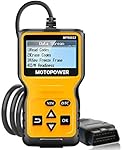
Once you have addressed the underlying issue, it's time to clear those fault codes. Grab an OBD-II scanner and reset the codes from your Chevy S10's ECM. This will reset the check engine light and allow you to monitor the system for any recurring issues. It's like hitting the reset button and giving your car a fresh start!
Conclusion
So, we have covered a lot of ground here, my friend. Dealing with fault codes like P0137 can be a real headache, but armed with knowledge and a little bit of elbow grease, you can conquer any car trouble that comes your way.
Remember, if you're not comfortable performing the repairs yourself, don't hesitate to seek professional help. Your Chevy S10 deserves the best care possible!
In addition to the information provided above, it's important to note that regular maintenance and care can go a long way in preventing the occurrence of fault codes like P0137.
Keep an eye on your Chevy S10's exhaust system, ensuring it's free from leaks and damage. Additionally, following the recommended maintenance schedule for your vehicle, including replacing the oxygen sensor at the recommended intervals, can help keep P0137 and other fault codes at bay.
Furthermore, it is worth mentioning that fault codes are not exclusive to the Chevy S10. Many modern vehicles are equipped with onboard diagnostic systems that monitor various components and systems for potential problems.
So, even if you don't own a Chevy S10, the information provided in this article can still be valuable in understanding and addressing similar fault codes in your own vehicle.
In conclusion, understanding and tackling fault codes like P0137 in your Chevy S10 is essential for maintaining the performance and longevity of your vehicle.
By staying informed, taking proactive measures, and seeking professional help when needed, you can keep your Chevy S10 running smoothly and enjoy many miles of trouble-free driving. Happy cruising!

Nick Marchenko, PhD
Industrial Engineer & Automotive Content Specialist
Nick writes in-depth guides on car clubs, engine specs, vehicle ownership, and modifications, combining engineering knowledge with automotive passion.
Full profile → LinkedIn →You May Also Like
How to Fix Chevrolet Tahoe Brake Light Fail - Complete Guide
2 years agoChevrolet Tahoe owners occasionally face issues with their brake lights either staying constantly on, failing to light up, or behaving erratically. This guide amalgamates insights and experiences from...
Repairing Dents and Dings in Your Chevrolet Tahoe Through Restoration
2 years agoFirst of all, As a testament to its sturdiness and strength, your Chevrolet Tahoe is susceptible to dents and dings over time. Restoring your SUV's aesthetic appeal and maintaining its resale v...
FuelSys1 OL-Fault in a 2007 Chevy Tahoe
2 years agoIt can be hard for vehicle owners to understand when they have encountered the FuelSys1 OL-Fault in a 2007 Chevy Tahoe, which not only affects the performance of the fuel system but also its overall e...
Chevrolet Tahoe VIN Decoder - Exploring The History Of Your Car
2 years agoEvery Chevrolet Tahoe is marked by a unique identifier known as the Vehicle Identification Number, or VIN for short. This alphanumeric sequence is brimming with essential information about the SUV, in...
Exploring the 2023 Chevrolet Tahoe: A Deep Dive into Its Trim Levels
2 years agoThe Chevrolet Tahoe continues to dominate the large SUV arena, blending practicality with a touch of opulence across its model lineup. For 2023, this full-size favorite caters to a broad spectrum of t...