Disclaimer: Not affiliated with or endorsed by Chevrolet Motor Company. For informational purposes only. Full Disclaimer
Chevy 1.5 Turbo Engine: Problems, Longevity, And Specs
Updated:The Chevy 1.5 Turbo Engine, a remarkable piece of automotive engineering that delivers an exhilarating driving experience. This compact powerhouse has been turning heads on the roads, offering a winning combination of performance, fuel economy, and cutting-edge technology. So, what makes the Chevy 1.5 Turbo Engine stand out from the crowd? Let's dive into its fascinating features and discover why it has become a favorite among enthusiasts and everyday drivers alike.
At the heart of this exceptional engine is a 1.5-liter inline-four configuration, meticulously designed to maximize performance and fuel efficiency. With its compact size and lightweight construction, it's a perfect fit for a range of vehicles, from sporty sedans to agile crossovers. The engine boasts a dual overhead camshaft configuration, with four valves per cylinder, ensuring optimal airflow and precise fuel injection for enhanced power delivery. But it doesn't stop there! The Chevy 1.5 Turbo Engine also incorporates an advanced turbocharger, harnessing the energy of exhaust gases to provide an exhilarating boost, delivering an impressive horsepower and torque output.
Chevy 1.5 Turbo Engine Specs & Horsepower
let's take a look at this Chevy 1.5 Turbo engine. It's a 1.5L inline-4 engine, meaning it has four cylinders arranged in a line. The engine is transverse, which means it sits sideways in the engine compartment.
The engine has a compression ratio of 10.0:1, which is pretty standard for a gasoline engine. It has a dual overhead cam configuration, with four valves per cylinder, making for a total of sixteen valves.
The engine was assembled in Toluca, Mexico, and it uses hydraulic roller finger follower valve lifters. Its firing order is 1-3-4-2, and it has a bore and stroke of 74.0 x 86.6 mm.
The engine runs on regular unleaded fuel, and it's capable of producing 175 horsepower at 5600 rpm and 203 lb-ft of torque at 2000-4000 rpm. Its maximum engine speed is 6500 rpm, and it has an evaporative system, catalytic converters, and positive crankcase ventilation for emissions controls.
The engine block and cylinder head are both made of cast aluminum, and the intake manifold is made of composite material. The exhaust manifold is integrated into the cylinder head, and the main bearing caps are made of iron inserts cast into the bedplate.
The crankshaft is made of steel, and the camshaft is assembled from steel parts. The connecting rods are forged powdered metal, and the engine features a single-stage, single-scroll turbocharger.
All in all, this engine seems like a well-designed and efficient engine. Its combination of turbocharging, dual overhead cams, and four valves per cylinder allow it to produce a good amount of power and torque while still maintaining reasonable fuel efficiency.
Chevy 1.5 Turbo Engine Specifications
|
Specification |
Description |
|
Type |
1.5L I-4 |
|
Displacement |
1490cc |
|
Engine Orientation |
Transverse |
|
Compression Ratio |
10.0:1 |
|
Valve Configuration |
Dual overhead cam |
|
Valves per Cylinder |
Four |
|
Assembly Sites |
Toluca, Mexico |
|
Valve Lifters |
Hydraulic roller finger follower |
|
Firing Order |
1 - 3 - 4 - 2 |
|
Bore x Stroke |
74.0 x 86.6 mm |
|
Fuel Type |
Regular unleaded |
|
Horsepower |
175 hp (130.5 kW) @ 5600 rpm* |
|
Torque |
203 lb-ft (275 Nm) @ 2000-4000 rpm* |
|
Maximum Engine Speed |
6500 rpm |
|
Emissions Controls |
The evaporative system, catalytic converters (split volume common can), positive crankcase ventilation |
|
Block |
Cast aluminum |
|
Cylinder Head |
Cast aluminum |
|
Intake Manifold |
Composite |
|
Exhaust Manifold |
Integrated into the cylinder head |
|
Main Bearing Caps Material |
Iron inserts cast into the bedplate |
|
Crankshaft |
Steel |
|
Camshaft |
Assembled steel |
|
Connecting Rod |
Forged powdered metal |
|
Turbo Charger |
Single-stage, single-scroll |
Possible Problems with Chevy 1.5 Turbo Engine
The 1.5-liter Chevy Turbo engines have encountered some issues, leaving owners puzzled and frustrated. Let's uncover the root causes behind these failures and explore the available solutions.
Turbo Failure

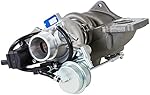
When it comes to the 1.4 and 1.5-liter GM turbos, failures have been observed, causing headaches for owners. One prevalent issue revolves around the impeller shaft. The threads on the shaft, which connect to a nut securing the impeller, have been found to loosen, leading to its detachment. This detachment results in the impeller's erratic movement, releasing metal fragments into the exhaust system. A damaged turbo becomes ineffective, requiring a replacement to restore the engine's performance.
There are two options to consider: buying a new turbo or opting for a used one. Choosing a complete new turbo, such as those offered by Dorman Products, is a reliable solution. These replacements come with all the necessary components, including sensors and the wastegate. While GM turbos can be expensive, the Dorman alternative provides a cost-effective option without compromising on quality. However, installing a new turbo can be challenging, so it is advisable to seek professional assistance or proceed with patience and perseverance if attempting it yourself.
Another option is to consider a used turbo. Although it may sound unconventional, reputable sources offer used turbos in excellent condition. Opting for a used turbo can save a significant amount of money compared to buying a brand-new GM turbo. Ensure that the used turbo comes with a warranty to guarantee its reliability. It is essential to prioritize proper installation, so if you lack the confidence or expertise, it is recommended to seek assistance from a trusted independent shop.
Shop From Amazon

Overheating

Engine overheating can be a severe and potentially catastrophic problem for any vehicle, and it is particularly crucial to address it promptly in the case of this engine. To prevent overheating, it is vital to ensure that your engine has an adequate coolant level and that all sensors responsible for monitoring temperature are functioning correctly. Failing to do so could result in the engine overheating without any warning signs, leading to dire consequences. In such cases, an engine swap is often the only solution.
To avoid these costly and inconvenient scenarios, it is crucial to prioritize regular maintenance and inspections of your engine's cooling system. Check coolant levels regularly and ensure that the coolant is clean and free from any contaminants. Monitor the functioning of temperature sensors and be attentive to any warning signs of overheating, such as rising temperature gauges or steam coming from the engine compartment. If you suspect an overheating issue, take immediate action by safely pulling over, turning off the engine, and seeking professional assistance.
Shop From Amazon

Chevy 1.5 Turbo Engine Life Expectancy
While many factors can influence an engine's lifespan, such as maintenance, driving conditions, and overall care, the Chevy 1.5 Turbo Engine has proven to be a reliable and durable choice.
On average, with proper maintenance and regular servicing, the Chevy 1.5 Turbo Engine can deliver a robust performance for well over 100,000 miles. This means that for most drivers, this engine will serve them faithfully for many years of enjoyable driving. However, it's important to note that individual experiences may vary, as factors like driving habits, adherence to maintenance schedules, and environmental conditions can impact engine longevity.
Shop From Amazon


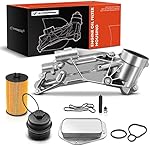
Fortunately, Chevrolet has a reputation for producing reliable and long-lasting engines, and the 1.5 Turbo is no exception. By following the manufacturer's recommended maintenance guidelines, including regular oil changes, filter replacements, and inspections, you can help ensure that your Chevy 1.5 Turbo Engine performs optimally throughout its lifespan.
Remember, no engine is immortal, but with proper care and attention, the Chevy 1.5 Turbo Engine has the potential to provide many miles of thrilling and dependable performance. So, take care of your engine, enjoy the ride, and let the Chevy 1.5 Turbo Engine be your loyal companion on the road for years to come.
Shop From Amazon

What Models Use the GM LFV 1.5L Turbo Engine?
The Chevy 1.5 Turbo engine, also known as the LFV 1.5L Turbo engine, has been featured in a range of Chevrolet models over the years.
|
Model Year |
|
2022 Chevrolet Malibu |
|
2021 Chevrolet Malibu |
|
2020 Chevrolet Malibu |
|
2019 Chevrolet Malibu |
|
2018 Chevrolet Malibu |
|
2017 Chevrolet Malibu |
|
2016 Chevrolet Malibu |
The Chevrolet Malibu, a popular midsize sedan, has consistently offered the Chevy 1.5 Turbo engine as an option in these model years. With its combination of power, efficiency, and refined performance, the Chevy 1.5 Turbo engine has been well-suited for the Malibu, providing a dynamic driving experience.
So, if you're interested in a vehicle equipped with the Chevy 1.5 Turbo engine, the Chevrolet Malibu in the mentioned model years could be an excellent choice to consider. Its integration with this engine showcases Chevrolet's commitment to delivering a balance of performance and fuel economy in their lineup.
Is Chevy 1.5 Turbo a Good Engine?
The Chevy 1.5 Turbo engine has garnered a positive reputation as a capable powerplant. It offers a combination of performance, fuel efficiency, and technological advancements that make it a good choice for many drivers.
Chevrolet has a history of producing reliable engines, and the 1.5 Turbo engine is no exception. When properly maintained and cared for, this engine has demonstrated durability and longevity, providing drivers with a dependable power source.
While individual experiences may vary, the overall consensus is that the Chevy 1.5 Turbo engine is a good engine choice. Its blend of performance, efficiency, and reliability makes it a compelling option for those seeking an enjoyable and efficient driving experience.
FAQs
1) Is the Chevy Malibu 1.5L turbo a good daily driver?
Yes, for most commuters it balances fuel economy and usable torque well. It feels strongest in city and suburban driving where the turbo’s low–rpm boost helps.
2) How reliable is the Malibu’s 1.5L turbo over time?
Reliability is solid when maintenance is done on schedule and fluids are kept fresh. Most issues arise from extended oil intervals, cheap fuel, or ignored warning lights.
3) What are the most commonly reported problems with the 1.5L turbo?
Owners most often mention carbon buildup on intake valves, boost leaks, and occasional cooling system or wastegate concerns. These are manageable with timely service and software updates.
4) What maintenance matters most for longevity?
Regular oil changes with the correct dexos–spec oil and quality filters are critical. Fresh spark plugs and clean intake plumbing help the turbo and ignition stay healthy.
5) What fuel grade should I use?
The engine is typically tuned for regular unleaded. Premium can improve knock resistance in hot weather or heavy loads, but isn’t required for normal driving.
6) What oil should the Malibu 1.5L turbo use?
Use the recommended viscosity meeting GM’s dexos specification. Turbo engines benefit from shorter oil intervals if you do many short trips or drive in extreme temperatures.
7) How long can the 1.5L turbo last?
With routine maintenance, many examples exceed typical ownership cycles comfortably. Avoiding overheating and keeping fresh fluids are the biggest lifespan multipliers.
8) Are there years that are more reliable than others?
Later production often benefits from incremental hardware and calibration updates. Choose a well–maintained car and check service history over focusing solely on year.
9) Does the Malibu 1.5L have enough power for highways?
Yes, it cruises efficiently and has adequate passing power once the turbo is spooled. Planning downshifts with the transmission helps for brisk merges.
10) Is the 1.5L turbo prone to turbocharger failure?
True turbo failures are uncommon when oil changes are timely and air filtration is good. Most “low boost” complaints trace to sensors, hoses, or wastegate actuation.
Shop From Amazon



11) How do I drive to protect the turbo?
Avoid hard throttle right after a cold start and don’t shut off immediately after sustained high load. Gentle cooldown driving helps oil flow and thermal stability.
12) What are signs of a boost leak?
Loss of power, whistling, and poorer fuel economy are typical. A smoke test or pressure test can quickly confirm leaks in couplers or intercooler plumbing.
13) Are intercooler icing issues still a concern?
In certain cold, humid conditions, some turbo engines can experience icing. Updated parts and calibrations reduce the likelihood; most drivers never encounter it.
14) Will premium fuel increase horsepower?
You may feel slightly smoother response in high heat or at altitude. However, the rated output is achieved on the recommended regular fuel.
15) How often should spark plugs be replaced?
Follow the service schedule, and consider earlier replacement if you notice misfires under boost. Correct gap and heat range are important on turbo engines.
16) Is direct–injection carbon buildup a real issue?
It can occur over long intervals because fuel doesn’t wash the valves. Occasional intake cleaning and good oil reduce deposits.
17) What’s the typical horsepower and torque?
Output varies by model year and calibration but sits in a modest turbo four–cylinder range. The torque plateau at lower rpm is what you feel day–to–day.
18) Can the 1.5L tow small loads?
Light towing within rated limits is possible, but always check your vehicle’s specific rating. Use manual downshifts on grades and allow longer braking distances.
19) What transmission pairs with the 1.5L?
Most Malibus use an automatic tuned for efficiency. Keeping transmission fluid healthy helps responsiveness and longevity.
20) Are software updates important?
Yes, ECU and TCM updates can improve drivability, emissions control, and diagnostic accuracy. Ask your service center to check for campaigns during routine visits.
21) What coolant issues should owners watch for?
Watch the reservoir level and look for dried residue near hose junctions. Temperature fluctuations or sweet smells warrant a cooling system inspection.
22) Does stop–start hurt the turbo?
The system is designed to preserve oil pressure and protect components. If you dislike it in stop–and–go traffic, you can disable it per drive.
Shop From Amazon


23) How does the 1.5L compare to the larger turbo option?
The 1.5L prioritizes efficiency and lower running costs. The larger turbo offers stronger acceleration but at higher fuel consumption.
24) Are intake or exhaust mods worth it?
Mild, emissions–legal changes can alter sound, but big gains are unlikely without calibrations. Warranty and inspection compliance should guide your choices.
25) What tires help performance most?
Quality all–season or performance all–season tires sharpen response more than small power mods. Proper pressures also keep rolling resistance and wear in check.
26) How do I diagnose a check–engine light under boost?
Scan for codes first; turbo engines commonly trigger airflow, misfire, or sensor codes. Correct diagnosis avoids replacing good parts.
27) Does the 1.5L have timing belt or chain?
It uses a timing chain designed for life of engine when oil quality is maintained. Chain noise or cam correlation codes suggest attention is needed.
28) What’s normal operating temperature?
Turbo engines often target higher regulated temps for efficiency. A steady gauge and consistent fan cycling indicate a healthy system.
29) Can I use engine cleaners like top–end detergents?
Use products approved by the manufacturer to avoid sensor or seal issues. Preventive maintenance beats aggressive chemical cleaning.
30) How often should the air filter be changed?
Follow the interval, sooner if you drive in dusty areas. A clean filter protects the compressor wheel and preserves metered airflow.
31) What are symptoms of failing ignition coils?
Misfires under load, rough idle, and reduced power are common. Heat and vibration can age coils faster on turbo engines.
32) Does the Malibu 1.5L suffer from turbo lag?
There’s a brief delay before peak boost, typical for small turbos. The transmission masks it by downshifting to keep rpm in the sweet spot.
Shop From Amazon


33) Are the high–pressure fuel pump and injectors reliable?
They are robust when fuel quality is good and filters aren’t neglected. Hesitation or hard starts can indicate pressure or injector spray issues.
34) How can I improve real–world fuel economy?
Use gentle throttle, anticipate traffic, and keep tires properly inflated. Avoid long idling and heavy roof accessories that add drag.
35) Is engine braking safe for the turbo?
Yes, it reduces heat and brake wear without stressing the turbo. Prolonged high load – not decel – is what generates turbo heat.
36) Can I switch to a thicker oil for high mileage?
Stick with the factory grade unless advised by a knowledgeable technician. Heavier oil can impair cold flow and turbo lubrication.
37) How often should coolant be replaced?
Follow the time or mileage interval in the manual. Old coolant loses corrosion protection and raises the risk of deposits and sensor issues.
38) What’s the best way to warm up the engine?
Drive gently after 30–60 seconds rather than idling for long periods. Light load brings all fluids to temperature faster and cleaner.
39) Are there known wastegate or boost control quirks?
Some drivers notice flutter noises or inconsistent midrange boost. Updated actuators or calibrations often address this.
40) Does the Malibu 1.5L have a particulate filter?
Gasoline engines may use particulate control strategies depending on market and year. Your VIN and emissions label reveal the exact configuration.
41) How do cold climates affect the 1.5L turbo?
Cold starts increase oil viscosity and can reveal weak batteries or sensors. Quality oil, a healthy battery, and fresh plugs keep winter drivability strong.
42) What about hot climates and heavy traffic?
Heat soak can soften response; ensure the cooling system and intercooler plumbing are clean. Using shade and avoiding long stationary idling helps.
43) Is the 1.5L suitable for long road trips?
Yes, it’s quiet at cruise and efficient on steady highways. Check tire pressures and fluids before departing for best results.
44) How do I spot a failing turbo bearing early?
Listen for siren–like whines that grow with rpm and watch for sudden oil consumption. Address oil leaks immediately to protect the unit.
45) Can dirty MAF or MAP sensors mimic turbo problems?
Absolutely – skewed airflow readings can cause limp mode or poor acceleration. Gentle, sensor–safe cleaning and proper sealing fix many complaints.
Shop From Amazon


46) Are OEM filters worth the price?
For turbo engines, OE or high–quality aftermarket parts are smart insurance. They maintain correct flow and filtration under boost and heat.
47) What’s the recommended interval for brake fluid and transmission service?
Brake fluid typically benefits from periodic replacement to maintain pedal feel and corrosion resistance. Transmission service follows severe vs. normal schedules; frequent city driving leans severe.
48) Will a tune void my warranty?
Powertrain tunes can affect warranty coverage if a related failure occurs. If you tune, use reputable calibrations and be prepared to revert for dealer diagnostics.
49) How do I keep the intake tract clean?
Replace the air filter on time and inspect couplers for oil mist or loose clamps. Periodic PCV checks reduce oil vapor entering the intake.
50) Bottom line – is the Malibu 1.5L turbo a smart buy?
For efficient, modern commuting with decent punch, it’s a sensible choice. Choose a well–maintained example and keep up with fluids to enjoy long, trouble–free service.

Nick Marchenko, PhD
Industrial Engineer & Automotive Content Specialist
Nick writes in-depth guides on car clubs, engine specs, vehicle ownership, and modifications, combining engineering knowledge with automotive passion.
Full profile → LinkedIn →You May Also Like
Here Are The 5 Chevrolet Malibu Years to Avoid
3 years agoAre you in the market for a Chevrolet Malibu? Before you make a purchase, it's important to know the years to avoid. From steering issues to electrical system failures, the Malibu has had its fai...
Chevrolet Malibu Bad O2 Sensors: How to Diagnose & Fix
3 years agoIf you own a Chevrolet Malibu, running into problems with the oxygen (O2) sensor can ruin a day, though it is not a very common issue. Normally, the O2 sensor measures the amount of oxygen in the...
How to Diagnose & Fix Common Chevrolet Malibu Coil Pack Problems
3 years agoJust like any vehicle, the Chevrolet Malibu can experience some mechanical issues over time. One of which is related to faulty coil packs in its ignition system. The coils generate an electric cur...
How Much Does A 2018 Chevy Malibu Rear Bumper Replacement Cost?
3 years agoIf you're a proud owner of a 2018 Chevy Malibu and find yourself in a fender bender, you might wonder how much it'll cost to replace that rear bumper. On average, you're looking a...
How To Prepare Chevrolet Malibu For Off Road
2 years agoFor some, the lure of the open road is a calling. It's about freedom, adventure, and a bit of cheeky fun. For others, it’s a Sunday drive to the local fish 'n chips shop. But regardless...
How To Prepare Chevrolet Malibu For Off Road
2 years agoFor many, the call of the open road isn't enough. Some crave the thrill of the unbeaten path, seeking adventure beyond the city limits. Whether it's a weekend passion or a daily challenge, it&...