Disclaimer: Not affiliated with or endorsed by Chevrolet Motor Company. For informational purposes only. Full Disclaimer
Why Does the Chevy Colorado Hesitate to Accelerate?
Updated:
Hesitation during acceleration is a common problem that Chevy Colorado owners may encounter, causing frustration and concern.
When your Chevy Colorado hesitates to accelerate, it can impact the overall driving experience and potentially indicate underlying issues with the vehicle's performance.
Common causes of hesitation in the Chevy Colorado

A) Dirty or clogged fuel injectors
Imagine trying to drink through a dirty straw – you'd struggle to get a steady flow of liquid. Similarly, dirty or clogged fuel injectors can disrupt the proper fuel delivery to your engine, causing hesitation. Over time, debris and carbon deposits can accumulate, obstructing the injector's nozzle and affecting its spray pattern.
B) Faulty ignition system components
The ignition system is responsible for igniting the fuel-air mixture in the combustion chamber. If components like spark plugs, ignition coils, or ignition control modules are faulty, they can cause misfires or inconsistent ignition. These issues can lead to hesitation during acceleration as the engine struggles to maintain a consistent power output.
C) Vacuum leaks in the engine
A vacuum leak occurs when there's an unintended gap or hole in the engine's vacuum system, which disrupts the air-fuel mixture.
This can result in a lean fuel mixture causing hesitation when accelerating. Common culprits of vacuum leaks include damaged hoses, intake manifold gaskets, or even a loose gas cap.
Fuel system issues affecting acceleration performance

Fuel filter blockage
The fuel filter is responsible for removing impurities from the fuel before it reaches the engine. Over time, the filter can become clogged with dirt and debris, restricting the proper flow of fuel. A blocked fuel filter can starve the engine of the necessary fuel supply, leading to hesitation during acceleration.
Fuel pump malfunction
The fuel pump's primary role is to deliver fuel from the tank to the engine. If it's malfunctioning or experiencing a loss of pressure, the engine may not receive an adequate fuel supply, resulting in hesitation. Common signs of a faulty fuel pump include engine sputtering, difficulty starting, or a noticeable drop in fuel efficiency.
Fuel pressure regulator problems
The fuel pressure regulator regulates the fuel pressure in the fuel system. If it malfunctions, it can cause fuel pressure to be too high or too low, affecting the engine's performance. Inconsistent fuel pressure can lead to hesitation during acceleration as the engine may not receive a consistent flow of fuel.
Potential transmission problems leading to hesitation

A) Worn-out transmission fluid
Transmission fluid plays a vital role in lubricating and cooling the transmission components. Over time, this fluid can deteriorate, losing its effectiveness.
When the transmission fluid is old or low, it can hinder the smooth operation of the gears, resulting in hesitation during acceleration.
B) Transmission solenoid issues
Transmission solenoids act as control valves, regulating the flow of transmission fluid. If these solenoids become faulty or get stuck, they can disrupt the proper shifting of gears. This can cause hesitation as the transmission struggles to engage the appropriate gear for the acceleration demand.
Shop From Amazon


C) Faulty torque converter
The torque converter connects the engine to the transmission and allows for smooth power transfer. If the torque converter is damaged or worn-out, it can slip or fail to lock up properly. This can lead to a loss of power and hesitation, particularly during acceleration.
Now that we've explored some common causes of hesitation in the Chevy Colorado, it's essential to address these issues promptly to ensure a smooth and enjoyable driving experience.
Whether it's getting your fuel injectors cleaned or checking your transmission fluid, taking care of these maintenance tasks can help you leave hesitation behind and hit the road with confidence.
Engine-related factors impacting acceleration in the Chevy Colorado

A) Spark plug wear or fouling
One possible reason for your Chevy Colorado hesitating to accelerate could be worn or fouled spark plugs. Over time, spark plugs can become covered in deposits or wear out, leading to inefficient combustion.
This can result in a decrease in power and acceleration. To resolve this issue, it's important to regularly inspect and replace your spark plugs according to your vehicle's maintenance schedule.
B) Air intake system blockage
Another factor that can affect acceleration is a blockage in the air intake system. If the air filter is dirty or clogged, it restricts the airflow to the engine, causing a reduction in performance.
It's essential to regularly check and clean or replace the air filter to ensure proper airflow and optimize your Chevy Colorado's acceleration.
C) Throttle body malfunction
A malfunctioning throttle body can also cause hesitation during acceleration. The throttle body regulates the airflow into the engine, controlling the power output.
If it becomes dirty or experiences electrical issues, it may not open or close properly, leading to poor acceleration. Cleaning the throttle body or getting it professionally serviced can help resolve this problem.
Electrical system malfunctions and their impact on acceleration

A) Faulty Mass Air Flow (MAF) sensor
The Mass Air Flow (MAF) sensor measures the amount of air entering the engine and provides essential data for fuel mixture control.
A faulty MAF sensor can inaccurately calculate air intake, causing a disruption in fuel-air mixture and resulting in poor acceleration. If you suspect a problem with the MAF sensor, it's advisable to have it diagnosed and replaced if necessary.
B) Malfunctioning Engine Control Unit (ECU)
The Engine Control Unit (ECU) is the brain of your vehicle's engine management system. If the ECU malfunctions or receives incorrect signals, it can affect various engine functions, including acceleration.
If you experience consistent hesitation issues, it's worth having a professional diagnose your ECU to determine if a repair or replacement is needed.
C) Defective throttle position sensor
The throttle position sensor monitors the position of the throttle pedal and communicates it to the ECU. A defective sensor can cause inaccurate throttle readings, leading to poor acceleration response. If you suspect a faulty throttle position sensor, it's necessary to have it inspected and replaced if required.
Diagnosing and troubleshooting hesitation issues

A) Performing a fuel pressure test
To diagnose hesitation issues, it's crucial to check the fuel pressure. A fuel pressure test can determine if the fuel delivery system is functioning properly. If the fuel pressure is too low, it could indicate a problem with the fuel pump or a clogged fuel filter.
B) Checking for fault codes with a diagnostic scanner
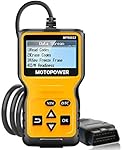
Using a diagnostic scanner, you can check for any stored fault codes in the vehicle's onboard computer. These codes can provide valuable information about potential issues that may be causing the hesitation. It's recommended to consult a professional mechanic or use an OBD-II scanner to retrieve and interpret the codes accurately.
C) Inspecting and cleaning the throttle body
As mentioned earlier, a dirty or malfunctioning throttle body can contribute to acceleration hesitation. Inspecting and cleaning the throttle body can help remove any carbon deposits or debris that may be affecting its performance. Be cautious when performing this procedure and follow the manufacturer's recommendations to avoid causing any damage.

Nick Marchenko, PhD
Industrial Engineer & Automotive Content Specialist
Nick writes in-depth guides on car clubs, engine specs, vehicle ownership, and modifications, combining engineering knowledge with automotive passion.
Full profile → LinkedIn →You May Also Like
How to Fix Chevrolet Colorado Brake Light Fault - DIY Guide
2 years agoHey, gearheads and truck enthusiasts! Today, we're diving into a common issue with the Chevrolet Colorado - brake lights not working. Don’t worry, I've got you covered with a step-by-ste...
Chevy Colorado Reduced Power Traction Fault
2 years agoUnfortunately, the harmony may be disturbed by unexpected errors during the intricate movement of today's sleek cars and electronic symphonies. The reduced power traction fault is one such unid...
Cracking the Code: Chevrolet Colorado Battery Drain When Off
2 years agoEnvision this situation: when you prepare to drive your trusty Chevy Colorado, you discover that the battery has unexpectedly discharged overnight. You can feel the frustration building as you wonder...
Chevrolet Colorado VIN Decode - How To Read Your VIN Code?
2 years agoEach Chevrolet Colorado carries its unique identifier, known as the Vehicle Identification Number, or VIN for short. This alphanumeric code is a treasure trove of essential information about the truck...
How To Maintain Chevrolet Colorado Tonneau Cover - DIY Guide
2 years agoOwning a Chevrolet Colorado is a statement of both style and functionality. A key accessory that enhances this functionality while providing an aesthetic uplift is a tonneau cover. Whether you're...
Unpacking the Chevrolet Colorado: A Deep Dive into Its Capabilities
2 years agoThe Chevrolet Colorado has been a popular choice among truck enthusiasts since its inception in 2004. Its continuous evolution over the years has made it a competitive option in the mid-size truck mar...