Disclaimer: Not affiliated with or endorsed by BMW Motor Company. For informational purposes only. Full Disclaimer
Why is the Light for my ABS System on in my BMW M3? What Causes it and How Can I Fix it?
Updated:
The wheel speed sensors in your BMW M3 keep track of how fast each wheel is spinning. If the sensors break or don't work correctly, the ABS light will turn on. If you have been driving over potholes or not changing your tires regularly, it's important to check these sensors.
The ABS control module is like the brain of your ABS system. It uses information from the wheel speed sensors to figure out when to apply the brakes and stop the wheels from locking up. Sometimes this part can start working incorrectly, causing the ABS light to come on.
Low brake fluid or problems with brake pressure

Your BMW M3 needs the right amount of brake fluid and pressure to ensure the ABS system works well. If your brake fluid is low or there's a problem with the pressure, your ABS light will come on quickly. So, make sure to check your brake fluid often and ensure it's at the right level.
The electrical system is not working properly

Sometimes, a small problem in this complicated network can cause the ABS light to turn on. It might be a wire that's not connected properly, a fuse that's blown, or a small creature causing trouble in your car's electrical system. Nonetheless, it's good to check the electrical connections and fuses to ensure everything is working properly.
Shop From Amazon
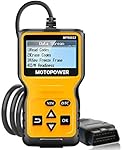


Tools and ways to find out what causes the ABS light to come on
Before you can fix a problem, you need to understand what is causing it. Luckily, modern cars like the BMW M3 have a system that can determine what's causing the ABS light to come on.
You can use a diagnostic scanner to get the trouble codes from your car's computer and figure out what they mean. It's like decoding a secret message from your car.
Fixing problems with the ABS light caused by sensors on the wheels

Checking and cleaning the sensors on the wheels that measure speed
If the ABS light is on because of bad wheel speed sensors, you can try taking care of them. Begin by checking the sensors for any obvious damage or build-up of dirt.
If you see any dirt or stains, clean them thoroughly with a gentle cleaner and a soft brush. Who knew sensors also needed relaxation days?
Changing broken wheel speed sensors.
If cleaning the sensors doesn't work, then it's time to get a new one. Fortunately, changing wheel speed sensors is an easy task that you can do yourself. Just be sure to check your car's manual or ask a knowledgeable friend for help to ensure you install the new sensors correctly.
And remember, you're not just repairing your car - you're using your inner mechanic skills. So, when you see the ABS light come on in your BMW M3, don't worry.
Take a deep breath, get your tools (and maybe a snack), and start fixing car problems. Don't forget, if you work smart and stay determined, you'll have your M3 looking great again in no time. And maybe you'll even surprise your friends with what you know about cars.
Fixing issues with the ABS light that are caused by a faulty ABS control module

If you ever see the ABS light come on in your BMW M3, it might be because the ABS control module is not working properly. This small device is important for ensuring your anti-lock brakes work well. Don't worry; there are a few ways to solve this problem.
Reset the ABS control module.
Before you get worried about costly repairs, try resetting the ABS control module first. It's like giving it a small restart, and it might work. You can do this by disconnecting the battery for a short time or using a special tool to reset the module. It's worth trying and could save you money.
Fixing or replacing the ABS control module.
If the reset doesn't work, then it's time to think about fixing or getting a new ABS control module. This is where things can get more expensive, but isn't it worth it to have a working ABS system?
You can take your car to a trusted mechanic or BMW dealership to diagnose and fix the problem. It's usually best to let experts handle complex issues unless you're really skilled at doing things yourself.
Frequently asked questions
Why is the light on in my BMW M3?
The ABS light in your BMW M3 can turn on for many different reasons. Common causes for the ABS (anti-lock brake system) not working include broken wheel speed sensors, a problem with the ABS control module, issues with the brake fluid level or pressure, and problems with the electrical system. It's important to figure out the exact reason to solve the problem effectively.
How do I find out why the ABS light is on in my BMW M3?
To determine why the ABS light is on, you can use special tools like an OBD-II scanner or BMW diagnostic software. These tools can read and display the error codes saved in the ABS system, helping to identify which part or system is causing the ABS light to turn on.
Shop From Amazon


Is it possible for me to repair the ABS light problem in my BMW M3 by myself?
Depending on the cause of the ABS light, some problems can be fixed by yourself. For instance, people who are good at fixing things can clean or change broken wheel speed sensors or check and refill brake fluid themselves.
However, if there are more complex problems with the ABS control module or electrical system, you may need assistance from a certified technician.
How can I prevent ABS light malfunctions in my BMW M3?
To minimize the chances of ABS light malfunctions, it is recommended to follow regular maintenance schedules outlined in your BMW owner's manual.
This includes checking and maintaining proper brake fluid levels, inspecting and cleaning wheel speed sensors, and ensuring the electrical system is in good condition.

Nick Marchenko, PhD
Industrial Engineer & Automotive Content Specialist
Nick writes in-depth guides on car clubs, engine specs, vehicle ownership, and modifications, combining engineering knowledge with automotive passion.
Full profile → LinkedIn →You May Also Like
Getting Rid of That Special BMW M3: A Comprehensive Guide on Selling It Even in Junk Condition
2 years agoIt might be difficult to part with your BMW M3, which was once a symbol of elegance and performance. This is especially true when you have to accept that it is now considered garbage. But with the cor...
Common BMW N43 Engine Problems: Causes, Consequences, Solutions
2 years agoThe BMW N43 is a four-cylinder gasoline engine introduced in 2001. Its debut was celebrated in the 1-series E87 and 5-series E60, later also in the 3-series E90. In comparison to its predecessor, the...
Here Are The 5 BMW M3 Years to Avoid
3 years agoAre you in the market for a BMW M3? While this high-performance car is known for its sleek design and impressive speed, not all years are created equal. In this post, we'll explore the BMW M3 yea...
BMW M3 Brake Lights Not Working - Causes And Solutions
2 years agoExperiencing brake light failure in your BMW M3 can be distressing, but often, the solution is simpler than you think. This guide provides a step-by-step approach to diagnosing and fixing brake light...
BMW M3 VIN Decoder - How To Analyse BMW M3 VIN For Free
2 years agoEvery BMW M3 is assigned a distinct code known as the Vehicle Identification Number, or VIN. This sequence of digits and capital letters holds essential information about the vehicle, such as its orig...